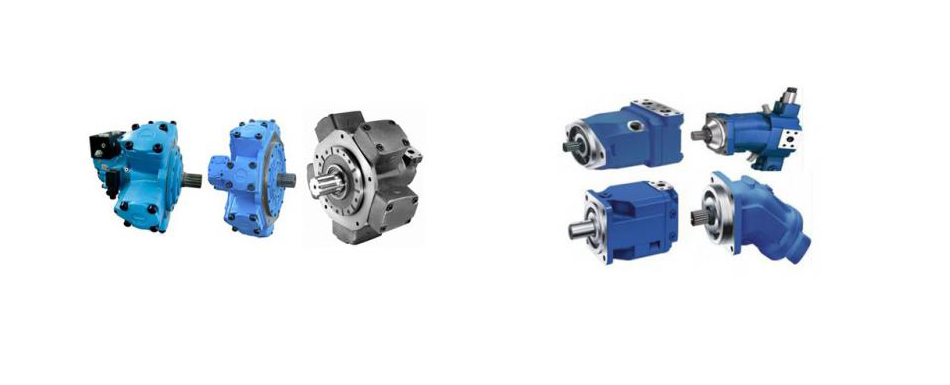

Hydraulic motor performance depends on more than basic pressure and flow ratings. Materials, mechanical design, manufacturing accuracy, and engineering decisions all influence how effectively a motor converts hydraulic energy into reliable rotary motion.
When evaluating a hydraulic motor manufacturer, industrial buyers should understand how these factors work together. A suitable motor needs to withstand its intended loads while maintaining appropriate efficiency, durability, and operating stability.
Why Materials Matter in Hydraulic Motor Construction
Hydraulic motors contain components that experience pressure, friction, vibration, and repeated mechanical loading. Material selection therefore has a direct influence on strength, wear resistance, corrosion resistance, and service life.
Different components may require different material characteristics. The best material is determined by the component’s function and the operating conditions rather than by material cost alone.
Common Materials Used in Hydraulic Motors
The materials used in a hydraulic motor vary according to its design and application.
Steel Components
Steel is commonly used for shafts, gears, and other load-bearing components because of its strength and resistance to mechanical stress.
Different grades and heat-treatment processes can provide specific combinations of hardness, toughness, and wear resistance.
Cast Iron and Other Housing Materials
Motor housings need sufficient structural strength while also supporting accurate internal component positioning. Cast iron and other engineered materials may be used depending on the motor design.
Housing selection can also be influenced by weight, corrosion exposure, temperature, and manufacturing requirements.
Aluminum Components
Aluminum can be used where lower weight is desirable. Its relatively low density can make it useful in applications where overall equipment weight is an important consideration.
However, material selection must still account for pressure, structural loads, and durability requirements.
Sealing Materials
Seals are critical because they help retain hydraulic fluid and prevent contaminants from entering the motor.
Elastomer selection depends on factors such as hydraulic fluid compatibility, pressure, temperature, shaft speed, and environmental exposure.
Hydraulic Motor Design Principles
Hydraulic motor design begins with the relationship between hydraulic pressure, fluid flow, displacement, torque, and rotational speed.
Pressure is primarily associated with torque production, while flow has a strong relationship with rotational speed. Displacement determines how much hydraulic fluid is required for a given amount of rotation.
Engineers must balance these characteristics to create a motor that operates effectively within the intended hydraulic system.
Gear Motor Engineering
Gear motors use gears to convert hydraulic flow and pressure into shaft rotation. Their relatively simple architecture can support compact construction and straightforward manufacturing.
Engineering considerations include gear geometry, tooth strength, housing accuracy, shaft support, internal clearances, and sealing.
Proper control of these factors helps reduce leakage, friction, and premature wear.
Vane Motor Engineering
Vane motors use a rotor and movable vanes to generate rotary movement. The design requires careful attention to vane movement, internal surfaces, sealing, and pressure distribution.
Clearances must be controlled so that the motor can maintain appropriate efficiency without creating excessive friction.
Piston Motor Engineering
Piston motors use pistons and associated mechanical components to convert hydraulic energy into rotation. Their more complex construction requires careful engineering of pistons, cylinders, bearings, swash plates or other drive mechanisms, depending on the configuration.
Axial and radial piston motors have different mechanical arrangements and performance characteristics. Engineers select the configuration according to pressure, speed, torque, and application requirements.
The Importance of Internal Clearances
Internal clearance is a small but important design parameter. Too much clearance can increase internal leakage and reduce efficiency.
Too little clearance can increase friction, heat generation, and the risk of component damage. Engineers therefore need to establish suitable tolerances for each motor design and operating condition.
Consistent machining and inspection are essential for maintaining these specifications during production.
Bearing and Shaft Design
The shaft transfers mechanical power from the motor to the driven equipment. It must withstand torque and radial or axial loads appropriate to the application.
Bearings support rotating components and help control friction and alignment. Their selection depends on factors such as speed, load, lubrication, temperature, and expected service life.
A motor’s shaft and bearing arrangement should therefore be evaluated alongside the machine’s coupling and load conditions.
Thermal Considerations
Hydraulic motors generate some heat as a result of fluid losses and mechanical friction. Excessive temperature can affect hydraulic fluid, seals, bearings, and other components.
Engineering teams consider heat generation and operating temperature when establishing motor specifications. The surrounding hydraulic system also needs sufficient cooling and appropriate fluid characteristics.
Efficiency and Engineering Trade-Offs
Motor design involves balancing several competing requirements. Increasing durability, reducing size, improving efficiency, controlling cost, and supporting higher pressure may require different engineering decisions.
For example, a motor designed for high-pressure operation may require stronger components and more sophisticated manufacturing processes.
Therefore, the most efficient design is not necessarily the smallest or least expensive option. It is the design that provides an appropriate balance for the intended application.
Manufacturing Accuracy
Good engineering specifications must be translated accurately into physical components. Precision machining is particularly important for hydraulic motors because small dimensional differences can affect leakage, friction, and performance.
Manufacturers may use controlled machining processes and inspection equipment to maintain critical dimensions.
Consistent manufacturing also helps ensure that motors produced at different times maintain comparable operating characteristics.
Surface Finishing and Wear Control
Surface condition can influence friction, sealing, and component durability. Critical surfaces may require specific finishes or treatments based on how components interact during operation.
Wear-resistant treatments or appropriate surface engineering can be considered for applications involving high loads, repeated cycling, or demanding operating environments.
Engineering for Different Operating Environments
A motor used indoors in a controlled industrial facility may face very different conditions from one installed on outdoor construction equipment.
Environmental factors can include:
- Extreme temperatures
- Dust and dirt
- Moisture
- Corrosive substances
- Vibration
- Shock loads
- Continuous operation
Manufacturers should consider these conditions when selecting materials, seals, coatings, and motor configurations.
Custom Hydraulic Motor Design
Some applications cannot be served effectively by standard motor configurations. Custom engineering may be necessary when equipment has unusual mounting requirements, torque demands, speed ranges, or space limitations.
A structured custom-design process typically begins with application specifications and progresses through engineering review, design, prototype development, testing, and production.
This approach helps ensure that customization does not compromise reliability or safety.
Balancing Cost and Performance
Material and engineering choices inevitably affect manufacturing costs. However, reducing the initial cost by using unsuitable materials or simplifying critical components can increase maintenance and replacement expenses later.
Industrial buyers should evaluate the complete lifecycle of the motor. Purchase price, energy consumption, maintenance, replacement parts, service life, and potential downtime all contribute to the overall economic value.
What Buyers Should Ask About Engineering
When evaluating a hydraulic motor supplier, buyers can ask questions such as:
- Which materials are used for major components?
- How are critical components machined and inspected?
- What pressure and speed ranges are supported?
- How are internal clearances controlled?
- What sealing materials are available?
- Can the motor be customized for specific equipment?
- What testing is performed during development and production?
- What documentation is provided with the motor?
- How are design changes controlled?
- What technical support is available for application engineering?
These questions can provide a clearer understanding of the supplier’s engineering approach.
The Relationship Between Design and Reliability
Reliability is rarely the result of a single component or material. It comes from the interaction between design, material selection, manufacturing precision, assembly, testing, and operating conditions.
A strong design can lose its advantages if manufacturing tolerances are poorly controlled. Likewise, high-quality materials cannot compensate for an incorrectly sized or improperly installed motor.
For this reason, buyers should evaluate the entire engineering and manufacturing process.
Conclusion
Materials, design, and engineering form the foundation of hydraulic motor performance. From the strength of shafts and gears to the precision of internal clearances and the compatibility of sealing materials, every design decision can influence efficiency and service life.
Industrial buyers should therefore evaluate hydraulic motors as complete engineered systems rather than focusing on individual specifications. Understanding the relationship between materials, mechanical design, manufacturing accuracy, and application requirements can lead to better purchasing decisions and more reliable equipment performance.