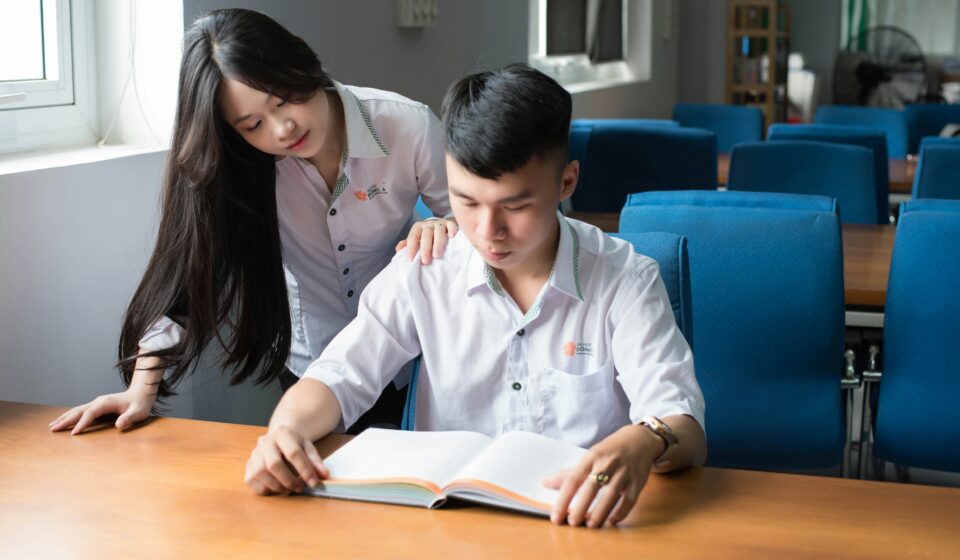

Senior high school students have different ways of processing information, participating in class, and showing what they know. Top SHS Quezon City schools may use varied teaching methods to address these differences across subjects and activities. Classroom instruction can include discussions, visual materials, practical tasks, group work, research, and written activities. These approaches give students several ways to engage with academic content.
What Different Learning Styles Mean in Senior High School
Students often have different preferences for receiving information and completing academic tasks. Some respond well to visual materials, while others may prefer discussions, written resources, demonstrations, or practical activities. These preferences can affect how students participate in lessons and complete requirements.
Visual and Written Learning
Visual learners may respond well to diagrams, charts, presentations, videos, and other graphical materials. Written learners may prefer textbooks, handouts, notes, research materials, and written instructions. Senior high school classrooms can use a combination of these resources when presenting complex concepts across different subjects.
Auditory and Interactive Learning
Some students may process information more effectively through conversations, lectures, presentations, and classroom discussions. Interactive activities can also provide opportunities to ask questions and exchange ideas. Group discussions, oral reports, debates, and peer activities can add verbal interaction to lessons that might otherwise rely mainly on written materials.
How Top SHS Quezon City Schools Use Varied Instruction
Schools can support different preferences through a mixture of teaching approaches rather than relying on one classroom format. DepEd’s strengthened Senior High School curriculum includes core subjects such as Effective Communication, General Mathematics, General Science, and Life Skills, creating opportunities for varied classroom activities.
Classroom Discussions and Presentations
Teacher-led discussions provide structured explanations, while student presentations give learners opportunities to communicate information themselves. These activities can support verbal communication and reinforce subject knowledge. Presentations may also incorporate slides, images, demonstrations, or written materials, creating several ways for students to interact with the same academic topic.
Practical and Project-Based Activities
Projects can connect classroom concepts with tasks that require planning, research, creation, or problem-solving. Practical activities may be particularly relevant in subjects that require demonstrations or applied skills. Schools offering different SHS programs can provide varied academic and technical activities based on their available tracks and learning resources.
Why Learning Preferences Matter in SHS Education
Senior high school includes academic subjects, specialized coursework, assessments, and activities that require different skills. DepEd’s current strengthened SHS framework gives students more flexibility through Academic and Technical Professional tracks and elective clusters. This structure creates different opportunities for students to engage with subjects that match their interests and future plans.
Different Ways to Demonstrate Knowledge
Written examinations are one method of assessment, but other activities can measure communication, research, analysis, presentation, and practical skills. Depending on the subject, students may complete projects, reports, presentations, performance tasks, or other assessments. A varied assessment structure provides different formats for demonstrating subject knowledge and skills.
Supporting Collaboration and Independent Work
Some classroom activities require students to work independently, while others depend on collaboration. Individual assignments can develop research and organization skills, while group projects require communication and coordination. A combination of both formats gives students experience with different academic responsibilities that can appear throughout senior high school.
How Students Experience Different Classroom Approaches
The availability of varied learning activities can differ between schools, subjects, teachers, and available resources. DepEd’s official list shows that Quezon City has schools offering different combinations of SHS programs, including STEM, ABM, HUMSS, GAS, Arts and Design, Sports, and TVL.
Technology and Digital Resources
Digital presentations, educational platforms, online research, multimedia materials, and computer-based activities can supplement classroom instruction. These resources can present information through text, images, audio, and interactive formats. Their use depends on the subject, teacher, school facilities, and available learning resources.
Flexible Academic Activities
Different SHS programs require different types of classroom work. STEM may include mathematical and scientific tasks, while HUMSS can feature writing, discussion, and research. Arts and Design may include creative production, while TVL programs can contain practical and technical activities. These differences create varied learning experiences across SHS programs.
Key Takeaway
Top SHS Quezon City schools can support different learning preferences through varied instruction, classroom activities, resources, and assessment formats. Visual materials, discussions, written work, projects, presentations, and practical tasks can provide different ways to engage with academic content.
The strengthened SHS curriculum also gives students greater flexibility through Academic and Technical Professional tracks and elective options. Together, these approaches create a broader classroom experience that recognizes differences in how students participate, process information, and demonstrate their academic and practical skills.