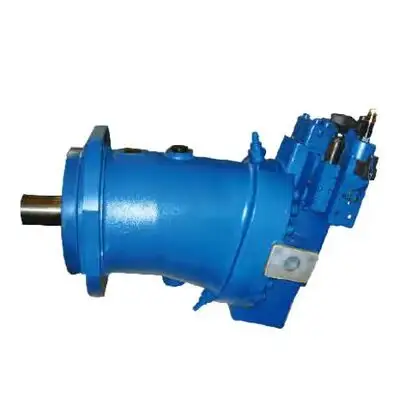

Working effectively with a pump manufacturer can make equipment selection, customization, production, and installation much smoother. Clear communication from the beginning helps ensure that the final pump matches the technical and operational requirements of the intended system.
When working with a piston pump manufacturer, buyers should provide accurate application information and maintain clear communication throughout the project. A collaborative approach can reduce misunderstandings, prevent specification errors, and support better long-term equipment performance.
Define Your Application Requirements
Before contacting a manufacturer, gather the information needed to describe the pumping application. Technical details provide a foundation for product selection and engineering discussions.
Important information may include:
- Required flow rate
- Normal and maximum pressure
- Fluid type and viscosity
- Operating temperature
- Duty cycle
- Installation environment
- Available space
- Power and drive requirements
Providing accurate information helps the manufacturer determine whether a standard pump or customized configuration is appropriate.
Communicate Fluid Characteristics Clearly
The properties of the fluid can significantly influence pump design. Corrosive, abrasive, viscous, or high-temperature fluids may require different materials and sealing arrangements.
Provide information about the fluid’s chemical composition, temperature, viscosity, solids content, and other relevant characteristics. Omitting these details can increase the risk of selecting unsuitable components.
Discuss Operating Conditions
A pump should be selected according to how it will actually be used. Explain whether the equipment will operate continuously, intermittently, or under changing loads.
Also describe expected pressure fluctuations, startup conditions, ambient temperatures, and any unusual operating situations. These details can help engineers recommend a configuration that is appropriate for the real application.
Ask for Detailed Technical Information
Do not rely solely on general product descriptions. Request detailed specifications for pumps being considered.
Useful information may include:
- Flow and pressure ranges
- Operating speed
- Pump dimensions
- Materials of construction
- Connection specifications
- Power requirements
- Maintenance recommendations
- Performance data
Review these details against your system requirements before approving a model.
Be Clear About Customization
If a standard pump does not meet the application requirements, explain which characteristics need to be modified. Customization may involve dimensions, materials, seals, valves, connections, or other components.
Discuss these requirements early rather than waiting until production has started. Clearly documented specifications can help prevent costly changes later.
Review Drawings and Specifications
For customized equipment, technical drawings and specifications are especially important. Review dimensions, mounting points, connections, materials, and other critical details before giving final approval.
If several teams are involved in the project, make sure engineering, purchasing, installation, and maintenance personnel are working from the same approved information.
Discuss Testing Requirements
Ask the manufacturer how the completed pump will be inspected and tested. Testing requirements may vary depending on the application and the type of equipment being supplied.
Potential checks can include pressure testing, flow verification, leakage inspection, dimensional inspection, and mechanical performance testing. If specific tests are required for your project, establish them before production begins.
Confirm Delivery Expectations
Production and delivery schedules should be discussed at an early stage. This is especially important for customized pumps, which may require additional engineering or manufacturing time.
Confirm expected production timelines and clarify how specification changes could affect the schedule. Realistic planning can help coordinate pump delivery with installation and commissioning activities.
Plan for Installation
A smooth installation begins before the pump arrives. Review the manufacturer’s installation instructions and identify any requirements related to mounting, piping, alignment, lubrication, filtration, or electrical connections.
Preparing the installation site in advance can reduce delays and help ensure that the pump is commissioned correctly.
Establish a Maintenance Plan
Discuss maintenance requirements with the manufacturer before purchasing the equipment. Understanding service intervals and wear components helps users prepare for future maintenance.
Ask which parts are expected to require periodic replacement and how they can be obtained. Planning for routine servicing can help reduce unexpected downtime.
Keep Communication Documented
Important technical decisions should be recorded in writing. This includes approved specifications, design changes, testing requirements, delivery arrangements, and other project details.
Maintaining a clear record helps prevent confusion when multiple people or departments are involved. It also provides a useful reference if questions arise during production or installation.
Evaluate Technical Support
A manufacturer’s support should not end when the pump is shipped. Technical assistance can be valuable during installation, commissioning, troubleshooting, and maintenance.
Before placing an order, ask what support is available and how technical issues are handled. Understanding the support process in advance can make future problem-solving more efficient.
Build a Long-Term Relationship
For businesses that regularly purchase pumping equipment, developing an ongoing relationship with a capable manufacturer can provide practical benefits. Familiarity with previous applications and specifications can make future projects easier to manage.
However, long-term relationships should still be supported by clear specifications, quality checks, and appropriate performance evaluations for each new project.
Conclusion
Working effectively with a piston pump manufacturer depends on clear requirements, accurate technical information, and consistent communication. Buyers should explain the application, fluid characteristics, operating conditions, customization needs, and installation environment in sufficient detail.
Reviewing specifications, documenting decisions, confirming testing and delivery requirements, and planning for maintenance can further improve the purchasing process. A collaborative approach helps both sides understand expectations and increases the likelihood of receiving equipment that performs reliably in its intended application.