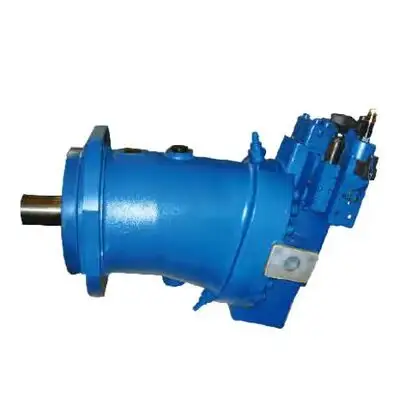

A successful pump procurement project depends on clear communication between the buyer and supplier. From defining technical requirements to reviewing specifications and planning installation, each stage can affect the final performance of the equipment.
When working with a piston pump manufacturer, providing accurate application information is essential. A manufacturer can make better recommendations when it understands the required pressure, flow, fluid properties, operating conditions, and installation environment.
Start With a Clear Project Brief
Before contacting potential manufacturers, prepare a concise description of the pumping application. This gives the supplier a practical starting point for product selection and technical discussions.
Include essential information such as required flow rate, operating pressure, fluid type, temperature, duty cycle, available space, and power requirements. If the system has unusual operating conditions, explain those as well.
Explain the Fluid Being Pumped
Fluid characteristics can have a major effect on pump selection. Different fluids may require different materials, seals, valves, and internal components.
Tell the manufacturer whether the fluid is corrosive, abrasive, viscous, chemically reactive, or contains suspended particles. Accurate fluid information can help prevent compatibility problems and premature component wear.
Define Pressure and Flow Requirements
Pressure and flow should be specified together because both influence pump selection. A pump that meets the required pressure may not necessarily provide the desired flow rate at that pressure.
Provide normal operating values as well as maximum expected conditions. This helps the manufacturer determine an appropriate performance range rather than relying on a single maximum rating.
Discuss the Duty Cycle
Explain how frequently and how long the pump will operate. Continuous-duty applications can place different demands on components compared with intermittent operation.
Information about operating hours, start-stop cycles, and load variations can help the manufacturer assess suitable pump configurations and maintenance requirements.
Ask the Right Technical Questions
Effective communication involves asking questions as well as providing information. Request details about the proposed pump before making a final decision.
Useful questions include:
- What pressure and flow range is the pump designed for?
- Which materials are used for wetted components?
- What sealing options are available?
- How is the pump tested?
- What maintenance is required?
- Which replacement parts are normally needed?
- Can the pump be customized for the application?
Clear answers can make technical comparisons easier.
Review Specifications Carefully
Once a manufacturer proposes a pump, compare its specifications with the original project requirements. Pay particular attention to pressure, flow, operating speed, dimensions, materials, connections, and power requirements.
Do not assume that a pump is suitable simply because its general description matches the application. Review the complete technical documentation before approving the equipment.
Establish Customization Requirements Early
Some applications require modifications to standard pump designs. These may involve materials, dimensions, connections, seals, valves, mounting arrangements, or performance characteristics.
If customization is necessary, discuss it during the initial engineering stage. Clearly documenting each modification can reduce misunderstandings and prevent changes after production has started.
Approve Drawings and Technical Documents
For customized equipment, request drawings and detailed specifications for review. Check dimensions, mounting points, connection locations, component materials, and other important details.
Make sure the final approved documents are shared with everyone involved in purchasing, installation, engineering, and maintenance. Using different versions of a specification can create avoidable problems.
Clarify Testing Procedures
Testing should be discussed before manufacturing begins. Ask what inspections and performance tests will be conducted on the completed pump.
Depending on the application, testing may include pressure verification, flow measurement, leakage checks, dimensional inspection, and mechanical operation testing. If your project requires specific tests, establish those requirements in advance.
Plan Installation With the Manufacturer
Installation conditions can influence pump performance. Discuss requirements related to mounting, alignment, piping, filtration, lubrication, connections, and other relevant factors.
Review the manufacturer’s installation instructions before the equipment arrives. Preparing the installation area in advance can help reduce commissioning delays.
Discuss Maintenance and Spare Parts
A pump should be considered a long-term investment rather than a one-time purchase. Ask about recommended maintenance intervals and components that may require periodic replacement.
Confirm the availability of commonly serviced parts such as seals, valves, pistons, bearings, and other wear components. Knowing how replacement parts can be obtained helps maintenance teams plan ahead.
Keep Project Communication Organized
Technical decisions should be documented throughout the project. Keep records of approved specifications, design changes, testing requirements, delivery schedules, and other important agreements.
Organized communication becomes particularly valuable when several departments or external contractors are involved. Written records help ensure that everyone is working toward the same requirements.
Confirm Delivery and Support
Discuss production schedules and delivery expectations before placing the order. Custom equipment may require additional engineering or manufacturing time, so realistic scheduling is important.
Also clarify what technical support is available after delivery. Assistance with installation, commissioning, troubleshooting, and maintenance can be useful throughout the pump’s operating life.
Build a Long-Term Working Relationship
Businesses that regularly use piston pumps may benefit from maintaining an ongoing relationship with a capable supplier. Familiarity with previous equipment and applications can make future projects more efficient.
Even with an established supplier, each new project should have clearly defined technical requirements. Consistent documentation and evaluation help ensure that the equipment remains suitable as operating needs change.
Conclusion
Working effectively with a piston pump manufacturer requires more than placing an order. Buyers should provide detailed application information, communicate fluid and operating conditions clearly, review specifications, approve technical documents, and establish testing and delivery expectations.
Planning for installation, maintenance, spare parts, and technical support is equally important. A structured and collaborative approach can reduce misunderstandings, improve equipment selection, and help ensure that the finished pump is properly suited to its intended industrial application.