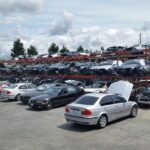
Selling a car in Brisbane often feels confusing for many owners. Cars lose worth each year. Repairs cost money. When a vehicle no longer suits daily use, selling it becomes a practical step. This guide explains how car owners in Brisbane can sell a vehicle to Cash For All Car Brands Brisbane in a calm and clear way. The focus stays on facts, local conditions, and real steps that matter.
Understanding the Car Selling Market in Brisbane
Brisbane has a large number of vehicles on the road. According to transport data from Queensland, private cars remain the main way people travel for work and family needs. Because of this, used cars enter the market every day. Some are old. Some have damage. Some no longer run.
Car buyers in Brisbane look at several points before making an offer. These include the make, model, age, engine condition, and body state. Scrap metal prices also play a role when a car no longer runs. Steel, aluminium, and copper all have set rates that change during the year. These rates help decide what a non-running car is worth.
Knowing these facts helps sellers understand why offers differ from one car to another.
Visit: https://www.cashforallcarbrands.com.au/
Preparing Your Car Before Selling
Preparation helps the selling process move in the right direction. It does not mean spending money on repairs. It means gathering details.
Start with the paperwork. Registration papers show legal ownership. A photo ID is also required in Queensland. If the car has finance owing, that detail needs to be clear.
Next, note the car details. Write down the make, model, year, and engine type. Be honest about damage, rust, or missing parts. This saves time later.
Remove personal items from the car. Check the glove box, boot, and door pockets. This step often gets missed.
These actions help the sale move forward without delays.
How Vehicle Condition Affects the Outcome
Every car has a different story. Some cars still drive. Others sit unused for months. Condition shapes the outcome.
A running car usually brings a higher return because it can be sold again for road use. A damaged or written-off car may still hold worth due to parts and metal content. Even a car that does not start still has materials that can be reused.
Queensland recycling rules support proper vehicle dismantling. Fluids must be drained. Batteries must be handled with care. Metal parts go through recycling systems. These steps help reduce landfill waste.
Because of this, cars of all conditions still play a role in the market.
Legal Steps When Selling a Car in Queensland
Queensland law requires a clear transfer of ownership. Sellers must provide proof that the car belongs to them. The transfer form needs to be completed when the car changes hands.
If the registration remains active, plates may need to be returned to the Department of Transport and Main Roads if the car gets scrapped. Some sellers choose to cancel registration to receive a refund for unused months.
These legal steps protect both sides and prevent future issues.
What Happens During the Car Collection Stage
Once details are agreed, the car gets collected. This step matters for owners who cannot drive the car.
In Brisbane, vehicle collection follows local safety rules. Trucks used for removal must meet road standards. Operators secure the car to avoid damage during transport.
The owner usually needs to be present to hand over keys and paperwork. Payment takes place at this time. This marks the end of ownership.
Knowing this process helps remove doubt about what happens on collection day.
Environmental Facts About Car Recycling
Old cars can harm the environment if left unused. Fluids such as oil and coolant can leak into soil. Tyres take many years to break down.
Recycling helps limit this damage. Around 80 percent of a car can be reused or recycled. Steel from car bodies often becomes part of new construction materials. Plastics and glass also find new uses.
In Queensland, licensed yards follow rules set by environmental authorities. These rules guide how vehicles get dismantled and recycled. Selling an old car supports this system.
Common Reasons Brisbane Owners Sell Their Cars
People sell cars for many reasons. Some move to another city. Some upgrade to a newer model. Some face repair costs that no longer make sense.
Flood damage also affects cars in parts of Brisbane. Even after repairs, flood-affected cars often bring ongoing issues. Many owners choose to sell rather than face repeated problems.
Understanding these reasons shows that selling a car is often a practical choice.
How Pricing Gets Decided
Car pricing follows logic, not guesswork. Buyers look at market demand, condition, and metal content.
For older cars, scrap metal prices influence the outcome. For newer cars, resale demand plays a larger role. Parts that still work add to the total.
Prices can change with fuel costs and market demand. This explains why offers may differ over time.
Knowing this helps sellers set clear expectations.
For Brisbane residents looking to sell a vehicle without long waiting periods, services like qld cash for cars offer a workable option. This type of service suits owners who have cars that no longer meet daily needs, including damaged or unused vehicles. When linked with local rules and recycling practices, it allows owners to pass their cars into a system where materials get reused and vehicles get handled according to Queensland standards.
Points to Remember Before Finalising the Sale
Always confirm ownership details before selling. Keep copies of forms for records. Remove plates if required. Cancel registration if the car will not return to the road.
These steps close the process properly and protect against future issues.
Final Thoughts
Selling a car in Brisbane does not need confusion when the process gets understood step by step. Knowing market facts, legal duties, and environmental impacts helps owners make clear choices. Cars of all conditions still serve a purpose through reuse and recycling. By following the right steps, sellers can move forward with confidence and clarity while meeting local rules and expectations.