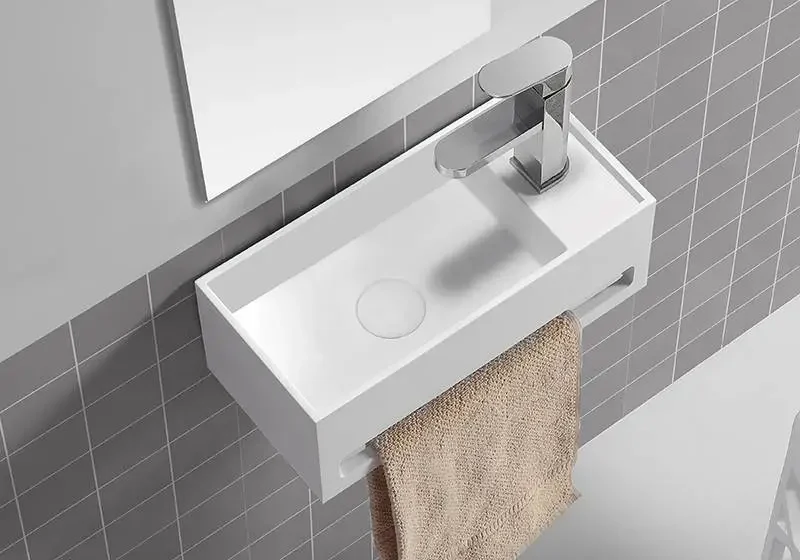

Choosing a basin for a compact toilet room requires more than finding a fixture that fits the available space. The basin should provide enough room for comfortable handwashing, work with the existing plumbing, and complement the layout without restricting movement. A carefully selected design can make even a narrow toilet room more practical and visually balanced.
When comparing options, consider the basin’s dimensions, shape, mounting style, material, and maintenance requirements. Selecting the right Small Basin for Toilet can help maximize limited space while preserving everyday usability. Understanding these factors before purchasing makes it easier to find a basin that meets both functional and design needs.
1. Measure the Available Space Before Buying
Accurate measurements are the foundation of a successful basin selection. Start by measuring the available wall width and the distance between the proposed basin location, toilet, and doorway. Check how far the door swings inward and whether other fixtures could obstruct access.
Depth is especially important in a compact toilet room. A basin may fit comfortably across the wall but extend too far into the walkway, making movement difficult. Compare the fixture’s full dimensions with the available clearance rather than focusing on width alone.
It is also helpful to consider the space required for the tap, plumbing connections, and any supporting brackets or cabinet. Reviewing the manufacturer’s technical drawings can help prevent installation problems later.
2. Choose a Basin Shape That Supports Daily Use
The shape of a basin affects both its appearance and functionality. Different designs suit different room layouts, so the best option depends on the available space and the way the room is used.
Rectangular Basins
Rectangular basins often provide a defined washing area and can work well against straight walls. Their clean lines suit contemporary interiors, although the depth and corner design should be checked carefully in narrow rooms.
Oval and Rounded Basins
Rounded basins can soften the appearance of a small toilet room. Their curved edges may also make movement around the fixture more comfortable where space is limited.
However, the usable bowl area varies by model. Compare the internal dimensions rather than assuming that all rounded designs provide the same washing space.
Corner Basins
Corner basins use the junction of two walls, helping preserve the main walking area. They can be useful in unusually narrow or irregularly shaped rooms.
Before choosing one, confirm that the tap is accessible and that the basin offers sufficient room for handwashing without excessive splashing.
3. Consider the Mounting Style
The mounting method influences floor space, storage opportunities, cleaning, and installation requirements.
Wall-Mounted Basins
Wall-mounted basins leave the floor beneath them open, creating a lighter visual appearance and making floor cleaning easier. They can be a good option where a cabinet would occupy too much room.
The wall must provide suitable structural support, and the water supply and drainage pipes may need careful positioning to achieve a neat finish.
Pedestal Basins
Pedestal basins conceal some plumbing components behind a supporting pedestal. They provide a traditional appearance but usually take up more floor space than a wall-mounted model.
Measure the pedestal’s width and depth to ensure it will not interfere with the toilet or doorway.
Countertop and Compact Vanity Basins
A basin installed on a countertop or compact vanity can provide useful storage for soap, cleaning products, and other essentials. This arrangement may be practical when the room has enough space for a supporting unit.
Remember to account for the complete cabinet or countertop dimensions, not just the basin itself.
4. Evaluate Bowl Depth and Splash Control
A small basin should be compact without making handwashing uncomfortable. Bowl depth, internal width, and the shape of the bottom all affect how effectively water is contained.
A very shallow bowl may cause water to splash onto nearby walls or floors. A deeper bowl can improve splash control, but it may increase the fixture’s overall dimensions.
Look for a design that balances internal capacity with external size. The position of the tap also matters: water should flow into the bowl in a way that minimizes splashing during normal use.
If possible, review product images, technical specifications, and installation diagrams to understand the relationship between the tap and bowl.
5. Select a Durable and Easy-to-Clean Material
The basin material affects its durability, appearance, maintenance needs, and overall cost.
Ceramic
Ceramic basins are widely used because they generally offer smooth surfaces that are easy to clean. They are available in numerous shapes and finishes, making them suitable for many interior styles.
Solid Surface
Solid-surface basins can provide a contemporary appearance and, depending on the product, smooth integrated designs. Check the manufacturer’s cleaning recommendations and repair guidance before purchasing.
Other Engineered Materials
Some compact basins are made from engineered stone or other composite materials. Their performance and maintenance requirements depend on the specific composition and finish.
Regardless of material, review the product specifications, warranty, and recommended cleaning products. A durable finish that is simple to maintain is especially valuable in a frequently used toilet room.
6. Check Tap Compatibility and Plumbing Requirements
A basin’s appearance is only one part of the selection process. It must also work with the water supply, tap, waste fitting, and drainage arrangement.
Check whether the basin includes a tap hole, multiple tap holes, or no pre-drilled opening. Some designs require a wall-mounted tap, which can create a streamlined appearance but may involve additional plumbing work.
Confirm the waste outlet dimensions and the position of the drain connection. If you are replacing an existing fixture, a model compatible with the current plumbing layout may reduce installation complexity.
If pipes need to be moved or the wall requires structural changes, consult a qualified plumber before committing to a particular design.
7. Prioritize Convenient Height and Accessibility
A basin can fit into a small room and still be uncomfortable to use if it is mounted at an unsuitable height or positioned awkwardly.
Consider the height of the intended users and ensure there is enough clearance to reach the tap comfortably. The basin should not force users to lean excessively or place their hands at an inconvenient angle.
Where children, older adults, or people with mobility needs will use the room, accessibility deserves particular attention. Appropriate clearances and securely installed fixtures can improve safety and ease of use.
Follow relevant local building requirements and the manufacturer’s mounting guidance when determining the final position.
8. Match the Basin to the Overall Interior Design
A compact basin should work visually with the toilet, wall finishes, flooring, tap, and accessories. A consistent design approach can make a small room feel more organized.
White basins remain a versatile option because they complement many color schemes. Neutral finishes can create a calm appearance, while contrasting taps or carefully selected accessories can add visual interest.
The shape of the basin should also complement the room’s style. Simple geometric designs often suit modern interiors, while rounded profiles can create a softer effect.
Avoid choosing a fixture based solely on appearance. A stylish basin that obstructs movement or offers insufficient bowl space may be less suitable than a simpler, more practical design.
9. Consider Storage and Accessories Carefully
Storage can improve functionality, but bulky accessories may undermine the benefits of a compact basin.
If storage is necessary, consider a slim vanity, a narrow shelf, or a wall-mounted soap dispenser. These options can keep frequently used items accessible without taking up unnecessary floor space.
Check the position of mirrors, towel rings, and dispensers before installation. Accessories should be within comfortable reach but should not interfere with the tap or create obstacles around the basin.
For very narrow rooms, prioritizing essential accessories can help maintain an uncluttered layout.
10. Compare Price, Quality, and Warranty
The lowest-priced basin is not always the most economical choice over time. Product quality, finish durability, installation requirements, and after-sales support can all affect the overall cost.
When comparing models, review the following factors:
- Overall dimensions and usable bowl capacity
- Material quality and finish
- Compatibility with taps and waste fittings
- Mounting hardware and installation requirements
- Cleaning and maintenance recommendations
- Warranty coverage and replacement-part availability
Also account for installation costs, plumbing modifications, and any additional fittings required. Comparing the complete project cost gives a clearer picture than considering the purchase price alone.
11. Common Mistakes to Avoid
Several selection mistakes can reduce the functionality of a small basin.
Choosing by width alone: Depth, bowl capacity, and tap position are equally important when evaluating suitability.
Ignoring clearance: A basin that blocks the doorway or restricts access to the toilet can make the room uncomfortable.
Overlooking plumbing compatibility: A visually appealing model may require expensive alterations if its connections do not match the existing arrangement.
Selecting an excessively shallow bowl: Limited depth can increase splashing and make everyday handwashing less convenient.
Forgetting maintenance: Difficult-to-clean surfaces or awkwardly positioned fittings can create unnecessary upkeep.
Neglecting installation support: Wall-mounted models require appropriate fixings and a wall structure capable of supporting the fixture safely.
Reviewing these details before purchasing helps prevent avoidable costs and usability problems.
Conclusion
Selecting a small basin for a compact toilet room involves balancing space efficiency with comfort, durability, and practical performance. Accurate measurements, a suitable basin shape, adequate bowl depth, and compatible plumbing are essential considerations.
Wall-mounted and corner designs can help preserve valuable floor space, while compact vanity models may offer useful storage where the layout allows. Material quality, accessibility, cleaning requirements, and total installation costs should also influence the final decision.
By evaluating these factors together rather than focusing on appearance alone, homeowners can choose a basin that fits the room, supports everyday handwashing, and maintains a functional, well-organized toilet space.
