How to Improve Best Pack Packaging Packaging Efficiency with the Right Carton Sealing Equipment

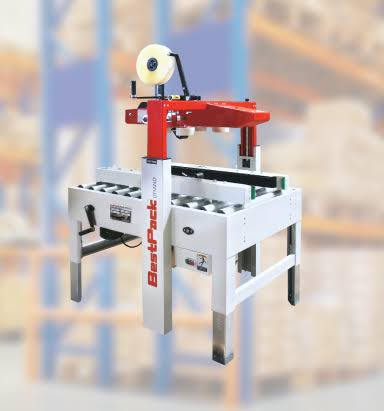
Efficient packaging is essential for businesses that handle shipping, distribution, manufacturing, and product fulfillment. Every package must be prepared to protect its contents, withstand transportation, and reach its destination in suitable condition. As production volumes increase, manual packaging processes can become time-consuming and inconsistent, making equipment selection an important consideration for operational planning.
Choosing the right best pack packaging solutions involves understanding how cartons move through a production line, how they are sealed, and what level of automation a facility requires. Evaluating these factors helps businesses improve workflow consistency, manage labour demands, and reduce avoidable packaging errors.
Understanding the Importance of Carton Sealing
Carton sealing is a critical stage in secondary packaging. After products are placed inside shipping boxes, the cartons must be closed securely to help protect their contents during storage and transportation.
Manual sealing can work well for small operations with limited packaging volumes. However, facilities handling frequent shipments may experience inconsistent tape placement, uneven closures, and production delays when sealing depends entirely on manual effort.
Automated and semi-automated carton sealers can help standardize this process. Depending on the equipment, machines may apply tape to the top and bottom of cartons, maintain consistent sealing pressure, and move packages along a conveyor system.
1. Choose Equipment Based on Production Volume
Production requirements should guide the selection of packaging machinery. A small warehouse processing a limited number of orders may benefit from a semi-automatic sealer that allows operators to load and guide cartons. Larger facilities may require fully automatic systems that integrate with upstream and downstream equipment.
When evaluating best pack packaging equipment, consider the number of cartons processed during a typical shift, peak-season demand, and the amount of operator involvement the workflow can accommodate.
Rated machine speeds are useful for comparing models, but actual output depends on carton dimensions, operator availability, conveyor configuration, and the efficiency of the surrounding production line.
2. Evaluate Carton Size and Sealing Requirements
Not all packaging operations handle identical boxes. Some facilities use standardized cartons, while others process packages with varying widths, heights, and lengths.
Uniform carton sealers are generally suited to operations that handle consistent box dimensions. Random carton sealers can accommodate varying sizes, depending on the machine’s adjustment capabilities and operating specifications.
Before choosing equipment, document the smallest and largest cartons used in the facility. Check the permitted dimensions, carton weight limits, conveyor requirements, and adjustment mechanisms specified by the manufacturer.
3. Consider Automation and Production Line Integration
Automation can reduce repetitive manual tasks and improve coordination between packaging stages. However, the level of automation should match the facility’s operational needs rather than being selected simply because it offers more advanced features.
A packaging line may include carton forming, product loading, flap folding, sealing, labelling, and material handling. If one stage operates significantly slower than the others, it can restrict overall throughput.
Businesses should assess how a proposed sealer connects with existing conveyors and equipment. Important considerations include conveyor height, package spacing, electrical requirements, control systems, and available floor space.
4. Prioritize Maintenance and Long-Term Reliability
Packaging machinery requires regular inspection to maintain dependable performance. Tape heads, cutting blades, belts, rollers, sensors, and moving components should be checked according to the manufacturer’s maintenance schedule.
Routine cleaning can prevent adhesive buildup and debris from interfering with machine operation. Replacing worn parts before they cause larger problems can also reduce unexpected downtime.
Facilities should evaluate spare-parts availability, technical support, warranty coverage, and the accessibility of service documentation before purchasing equipment.
5. Measure Packaging Performance
Continuous improvement begins with tracking useful operational measures. Businesses can monitor cartons processed per hour, rejected packages, tape consumption, equipment downtime, and labour time per shipment.
When evaluating best pack packaging equipment, consider the number of cartons processed during a typical shift, peak-season demand, and the amount of operator involvement the workflow can accommodate.
These measurements help identify opportunities to improve workflow without compromising package quality. For example, frequent sealing defects may indicate unsuitable tape, incorrect machine settings, worn components, or inconsistent carton quality.
Conclusion
Choosing suitable carton sealing equipment requires careful consideration of production volume, carton dimensions, automation needs, maintenance requirements, and workplace safety. For businesses researching packaging machinery and related components, machine parts manufacturer resources and equipment catalogues can provide useful starting points. Exploring the available options through BestPack listings can help buyers compare machine types and identify equipment suited to their packaging requirements.