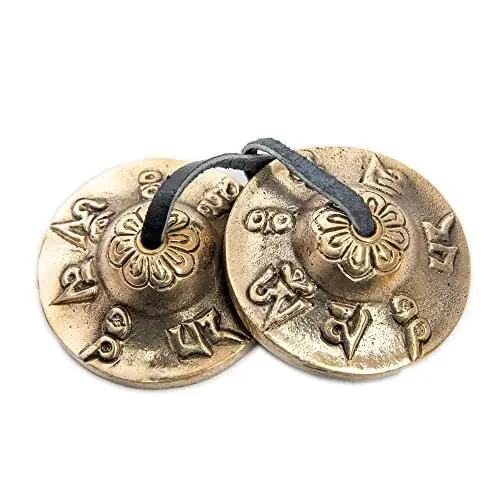

Tingsha bells have long been valued in Tibetan spiritual traditions for meditation, mindfulness, prayer, and energy cleansing. Their bright, resonant tones help create a peaceful environment that encourages relaxation and mental clarity. Today, increasing popularity has led to many mass-produced alternatives that often lack the craftsmanship and sound quality of traditional pieces. Learning how to buy authentic tingsha bells helps you choose instruments with lasting value and genuine acoustic performance.
Whether you are a meditation practitioner, yoga instructor, sound healer, or collector, understanding the qualities of handcrafted tingsha bells and how they pair with Tibetan singing bowls for meditation can help you make a confident, informed purchase.
Understanding What Makes Tingsha Bells Authentic
Traditional tingsha bells are small cymbals connected by a leather strap. They are struck together to create a bright, sustained tone that symbolizes clarity and awareness. Authentic versions are handcrafted by experienced artisans who follow time-honored techniques passed down through generations.
Unlike factory-made alternatives, authentic tingsha bells produce a balanced sound with rich harmonics. Every handcrafted piece has slight variations in appearance, making each set unique rather than perfectly identical.
If your goal is to purchase authentic tingsha bells, always prioritize craftsmanship over mass production.
Examine the Material Composition
One of the easiest ways to identify genuine tingsha bells is by examining the metal composition.
Traditional handcrafted tingsha bells are often crafted from bronze or carefully blended metal alloys that create a long-lasting resonance. Premium bells typically feel heavier than inexpensive replicas because of their higher-quality materials.
Low-cost versions made from lightweight metals often produce a short, dull sound instead of the clear ringing tone associated with authentic Tibetan instruments.
The quality of the alloy directly affects sound, durability, and longevity, making material selection an important factor before you purchase authentic tingsha bells.
Listen Carefully to the Sound
Sound quality is perhaps the most reliable indicator of authenticity.
When struck together gently, authentic tingsha bells produce:
- A bright and crisp initial tone
- Long-lasting resonance
- Clear harmonic overtones
- Consistent pitch
- Minimal vibration distortion
Poorly manufactured bells often sound flat, metallic, or inconsistent.
Many meditation practitioners pair handcrafted tingsha bells with a Tibetan meditation singing bowl because both instruments create complementary frequencies that encourage relaxation and mindfulness.
Whenever possible, listen to an audio demonstration before purchasing.
Look for Signs of Handcrafting
Authentic craftsmanship leaves subtle characteristics that machine production cannot duplicate.
These may include:
- Slight variations in engraving
- Minor differences in shape
- Hand-finished edges
- Traditional carved symbols
- Natural surface texture
Machine-made bells usually have perfectly identical patterns and overly polished finishes.
These small imperfections actually demonstrate that the bells were individually crafted rather than mass-produced.
Choosing handcrafted tingsha bells helps preserve traditional artisan skills while providing a more authentic musical experience.
Check the Traditional Symbols
Many authentic tingsha bells feature sacred Tibetan symbols.
Common engravings include:
- Om symbol
- Eight Auspicious Symbols
- Double Dorje (Vajra)
- Lotus flower
- Tibetan mantras
The engravings should appear detailed and carefully carved rather than shallow or unevenly stamped.
Although decorative designs alone do not guarantee authenticity, quality engraving often reflects the attention to detail found in genuine handmade tingsha bells.
Evaluate the Leather Strap
The connecting leather strap is another important feature.
Authentic tingsha bells generally use durable leather or strong natural materials that securely connect both cymbals while allowing proper movement.
Cheap synthetic straps may wear quickly or affect the playing experience.
A well-made strap contributes to both durability and comfortable handling during meditation or ceremonial use.
Consider the Origin
Many authentic tingsha bells originate from Nepal or Tibetan artisan communities where traditional metalworking techniques continue today.
Reputable sellers usually provide information about:
- Country of origin
- Artisan craftsmanship
- Manufacturing process
- Materials used
- Cultural background
When you plan to purchase authentic tingsha bells, transparency regarding sourcing is often a positive sign of product quality.
Compare Weight and Balance
Authentic bells usually feel balanced in your hands.
Each cymbal should have nearly equal weight, allowing it to produce a clean strike without awkward movement.
Poorly balanced bells may generate uneven sounds and feel uncomfortable during repeated use.
Quality handcrafted tingsha bells are carefully shaped to ensure consistent resonance with every strike.
Read Product Descriptions Carefully
Detailed product descriptions often reveal whether a retailer understands the instruments they sell.
Look for descriptions that mention:
- Handmade construction
- Traditional manufacturing
- Metal composition
- Sound quality
- Artisan production
- Cultural significance
Generic descriptions focusing only on decoration may indicate mass-produced products.
Reliable retailers also provide multiple product photographs from different angles.
Check Customer Reviews
Customer reviews provide valuable insight into product quality.
Look for comments discussing:
- Sound clarity
- Weight
- Craftsmanship
- Durability
- Authentic appearance
- Meditation experience
Positive feedback from meditation practitioners, yoga teachers, and sound healers often indicates genuine quality.
Reading reviews can help you confidently purchase authentic tingsha bells from trusted sources.
Pairing Tingsha Bells with Other Meditation Instruments
Many practitioners combine tingsha bells with other traditional instruments to enhance meditation sessions.
A Tibetan singing bowl for meditation works especially well alongside tingsha bells because each instrument produces different frequencies that complement one another.
While the singing bowl creates sustained vibrations that encourage deep relaxation, tingsha bells provide crisp tones that mark the beginning or end of meditation practices.
Together, they create a peaceful environment suitable for mindfulness, yoga, sound healing, and spiritual ceremonies.
Conclusion
Choosing authentic tingsha bells requires careful attention to craftsmanship, materials, sound quality, and sourcing. Taking the time to evaluate these factors helps you buy authentic tingsha bells that offer lasting value and a genuine meditation experience. High-quality handcrafted tingsha bells, especially when paired with a Tibetan meditation singing bowl, can enhance mindfulness, relaxation, and spiritual practices for years to come.
Discover authentic Himalayan craftsmanship with Himalayan Bazaar, a trusted source for traditional spiritual instruments and wellness products handcrafted by skilled Nepalese and Tibetan artisans. Their collection features premium handcrafted tingsha bells, singing bowls, meditation accessories, prayer items, and cultural crafts for meditation, yoga, and sound healing. Committed to ethical sourcing and exceptional quality, Himalayan Bazaar helps customers confidently purchase authentic tingsha bells and genuine Himalayan treasures.