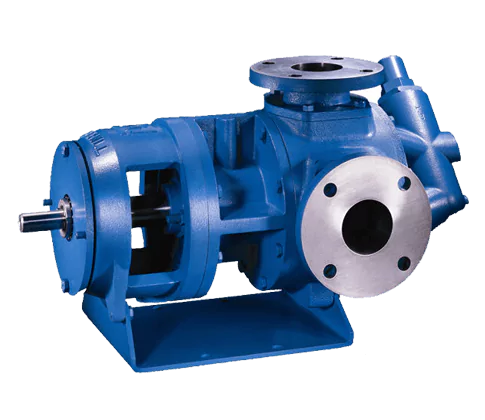

Choosing the right gear pump supplier is an important part of planning any industrial fluid-handling system. The pump must perform reliably under the expected flow, pressure, temperature, and fluid conditions. A poor selection can lead to reduced efficiency, frequent maintenance, unexpected downtime, and higher operating costs.
To make a well-informed decision, project teams should evaluate more than product specifications and pricing. Working with a qualified gear pump manufacturer can help buyers compare pump designs, technical capabilities, material options, and application-specific requirements. The evaluation process should focus on whether the supplier can meet the actual demands of the project from initial selection through long-term operation.
Start With Your Project Requirements
Before evaluating any manufacturer, clearly define the operating requirements of the project. A supplier can only recommend a suitable solution when the application conditions are understood.
Important information to prepare includes:
- Type of fluid being pumped
- Required flow rate
- Normal operating pressure
- Maximum system pressure
- Fluid temperature
- Viscosity range
- Expected operating hours
- Installation environment
- Required service life
Providing complete technical information helps prevent the selection of a pump that is incorrectly sized or unsuitable for the application.
Assess Experience With Similar Applications
Manufacturing experience is valuable, but relevant application experience is often more important. A supplier that understands the challenges of a specific industry may be better prepared to identify potential issues before the equipment is installed.
For example, a pump used for hydraulic oil may have different requirements from one used for chemical processing or high-viscosity industrial fluids. The ideal supplier should understand how fluid properties and operating conditions affect pump design and performance.
Buyers should ask about similar applications without relying solely on general claims of industry experience.
Review the Manufacturer’s Technical Capabilities
Technical capability should be a central part of the evaluation process. The manufacturer should be able to explain how the pump is selected and why a particular configuration is suitable for the application.
Useful areas to evaluate include engineering support, product knowledge, pump sizing capability, and the ability to address unusual operating conditions.
A technically capable supplier should also be prepared to discuss potential limitations. Clear communication about pressure limits, temperature ranges, and fluid compatibility can help prevent problems later.
Examine Pump Design and Product Range
A broad product range can give buyers more flexibility when comparing available options. However, having many models does not automatically mean that every manufacturer can provide the right solution.
Review the available pump designs and determine whether they match the needs of the project. Consider factors such as:
- Internal or external gear configuration
- Pump displacement
- Pressure capability
- Shaft arrangement
- Mounting options
- Inlet and outlet connections
- Sealing design
The goal is to identify a pump design that fits the system rather than modifying the project unnecessarily to accommodate a limited product range.
Evaluate Material Selection
Material compatibility is essential for reliable gear pump operation. The pump housing, gears, shafts, bearings, seals, and other components must be suitable for both the pumped fluid and the surrounding environment.
Common construction materials may include cast iron, stainless steel, aluminum, bronze, and specialized alloys. The correct choice depends on factors such as corrosion risk, fluid temperature, pressure, and mechanical wear.
Buyers should ask the manufacturer to explain why specific materials are recommended for the application. This is particularly important when handling aggressive chemicals or high-temperature fluids.
Review Manufacturing and Quality Control Processes
The reliability of a gear pump depends heavily on manufacturing accuracy. Critical components require precise machining and controlled assembly to maintain appropriate internal clearances.
Buyers should investigate how the manufacturer manages:
- Raw material inspection
- Precision machining
- Component measurement
- Heat treatment, where applicable
- Assembly procedures
- Final inspection
Consistent quality control can help reduce variations between production units and improve long-term operating performance.
Ask About Testing Procedures
Testing provides important evidence of pump performance before delivery. The manufacturer should be able to explain what inspections and functional tests are performed on the finished product.
Depending on the pump type, testing may include pressure testing, flow verification, leakage checks, noise monitoring, or operational stability assessments.
It is useful to confirm whether standard testing conditions match the intended application. Projects with specialized requirements may need additional testing or documented performance verification.
Consider Customization and Engineering Support
Some projects can use standard gear pumps, while others require modifications to meet specific technical requirements. Customization may involve changes to materials, sealing systems, shaft designs, mounting arrangements, or connection types.
The ability to customize a product can be useful, but it should be supported by sound engineering. Unnecessary modifications can increase cost and complexity without improving performance.
Evaluate whether the manufacturer has the technical resources to assess custom requirements properly and document the resulting design.
Check Documentation and Traceability
Technical documentation is an important part of industrial equipment procurement. Buyers may need product drawings, operating instructions, material information, inspection records, or performance data.
The level of documentation required will depend on the project and industry. Critical applications may require greater traceability than standard industrial installations.
Before selecting a supplier, confirm what documents can be provided and whether they meet project requirements.
Evaluate Communication and Response Quality
The quality of communication during the evaluation stage can provide useful insight into the supplier’s overall approach. Clear and accurate responses often indicate a structured technical process.
Pay attention to how the manufacturer handles questions about operating limits, fluid compatibility, delivery requirements, and potential risks. A reliable supplier should provide realistic information rather than making unsupported performance claims.
Slow or unclear communication during the quotation stage may also create challenges during production, installation, or future maintenance.
Review Spare Parts and After-Sales Support
A gear pump may operate for years, but seals, bearings, and other components can eventually require maintenance or replacement. Access to spare parts should therefore be considered before the initial purchase.
Ask about the availability of service components and the expected support period for the pump model. This is particularly important when the pump is installed in a critical production system.
Technical support can also be valuable when troubleshooting operating issues or evaluating changes in application conditions.
Compare Total Cost of Ownership
Purchase price is only one part of the overall investment. Buyers should also consider maintenance costs, expected service life, spare parts, energy use, and the potential cost of unexpected downtime.
A lower-cost pump may appear attractive initially but become more expensive if it requires frequent repairs or cannot perform reliably under the intended operating conditions.
Comparing total cost of ownership can provide a more realistic basis for supplier selection.
Use a Structured Supplier Evaluation Process
For larger or more critical projects, a structured evaluation process can make supplier comparisons easier. Buyers can create a checklist that covers technical, commercial, and service-related factors.
A practical evaluation framework may include:
- Application and fluid compatibility
- Flow and pressure performance
- Manufacturing quality
- Material options
- Testing procedures
- Engineering capability
- Documentation
- Delivery capability
- Spare parts availability
- Long-term technical support
Each factor can be weighted according to its importance to the project.
Final Thoughts
Evaluating a gear pump supplier requires a careful balance between technical performance, manufacturing quality, support capabilities, and long-term value. The most suitable manufacturer is not necessarily the one offering the lowest price or the largest product catalog.
A thorough review of project requirements, engineering expertise, quality control, testing, communication, and service support can help buyers make a more confident decision. By using a structured evaluation process, project teams can reduce selection risks and improve the likelihood of reliable gear pump performance throughout the equipment’s service life.