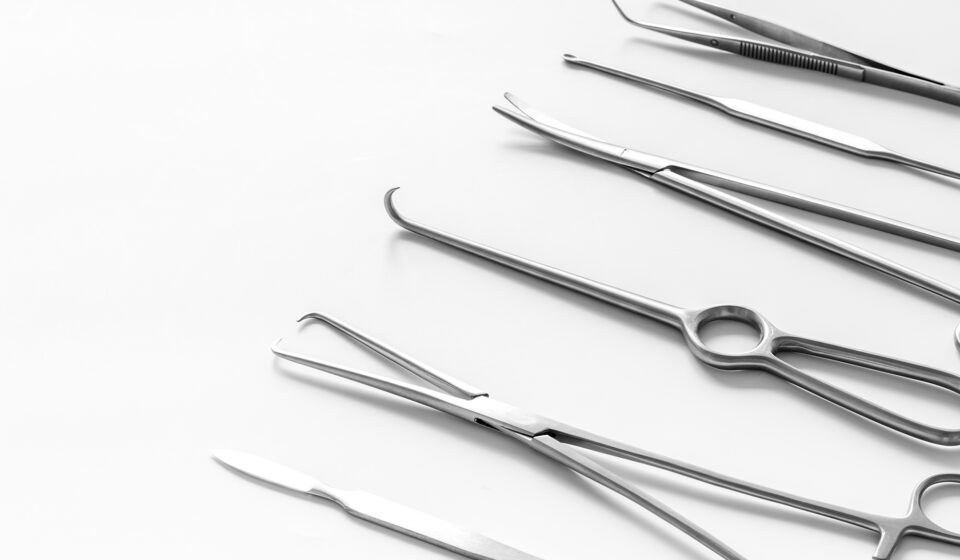

Durability is one of the most critical factors in the medical device industry, especially for tools used in operating rooms where precision cannot be compromised. Hospitals and surgeons depend on strength, accuracy, and reliability during every procedure to ensure safe and successful outcomes.
A trusted general surgery instruments manufacturer plays a vital role in ensuring that every instrument performs consistently under high stress, repeated sterilization cycles, and long surgical hours without losing efficiency. The quality of general surgical instruments directly influences surgical safety, performance, and patient recovery, making durability a core requirement in modern healthcare and surgical practice worldwide.
Selection of High-Grade Raw Materials
The foundation of durability begins with raw materials. A professional general surgery instrument manufacturer selects premium-grade stainless steel, typically surgical-grade 410, 420, or 440 series. These materials offer corrosion resistance, hardness, and long life.
At the same time, every general set of surgical instruments must withstand repeated exposure to autoclaving, disinfectants, and moisture. Poor quality steel can lead to rusting, bending, or surface damage, which is unacceptable in surgical environments.
Manufacturers emphasize sourcing certified alloys that meet international medical standards, such as ISO 13485 compliance.
Precision Engineering and Design Accuracy
Modern surgical instruments require extreme precision. A reliable manufacturer of surgical instruments uses advanced CAD modeling and CNC machining to achieve exact dimensions.
Every curve, grip, and edge in general surgical instruments is engineered for comfort, balance, and performance. Even a minor deviation can affect surgical accuracy, especially in delicate procedures like neurosurgery or orthopedic operations.
This stage ensures consistency across thousands of identical instruments, reducing variation and improving reliability in clinical settings.
Forging and Shaping Process
Forging is a key step that enhances strength. A skilled manufacturer of surgical instruments uses controlled heat and pressure to shape metal into durable surgical tools.
This process improves grain structure, making general surgical instruments more resistant to bending and breakage. Forged instruments are known to last longer than cast or stamped alternatives.
High-quality forging also improves tactile feedback, allowing surgeons to operate with better control.
Heat Treatment for Strength Enhancement
Heat treatment is essential for achieving hardness and durability. Every reputable manufacturer of surgical instruments apply controlled heating and cooling cycles to enhance mechanical strength.
For general surgical instruments, this process ensures that tools remain sharp, rigid, and resistant to wear even after repeated use.
The balancing of hardness and flexibility is critical. Over-hardened instruments may become brittle, while under-treated ones may deform under pressure.
Surface Finishing and Polishing
A smooth surface is not only about appearance but also hygiene and functionality. A professional manufacturer of surgical instruments uses multi-stage polishing systems to achieve a mirror finish.
This reduces micro-crevices where bacteria can accumulate, making general surgical instruments easier to sterilize and maintain.
Electro-polishing and manual finishing techniques are often combined to ensure maximum smoothness and corrosion resistance.
Quality Control and Inspection Systems
Quality control is one of the most important stages in manufacturing. A certified manufacturer of surgical instruments follows strict inspection protocols at every production stage.
Each batch of general instruments for surgery undergoes dimensional checks, alignment tests, hardness testing, and visual inspections.
Defective instruments are immediately removed to ensure only perfect tools reach hospitals. This reduces surgical risks and ensures compliance with international safety standards.
Load Testing and Performance Validation
Durability must be proven under real conditions. A trusted manufacturer of surgical instruments performs load and stress testing to simulate operating room conditions.
Every general surgical instrument item is tested for grip strength, joint movement, cutting efficiency, and resistance to repeated sterilization cycles.
This ensures that instruments do not fail during critical surgical procedures.
Corrosion Resistance and Sterilization Compatibility
Surgical tools must withstand harsh sterilization processes. A professional manufacturer of surgical instruments ensures that instruments are compatible with autoclaves, chemical disinfectants, and ultrasonic cleaning systems.
High-grade general surgical instruments are designed to resist rust and maintain structural integrity even after hundreds of sterilization cycles.
Passivation processes are often used to strengthen corrosion resistance by forming a protective oxide layer on the steel surface.
Ergonomic Design for Long-Term Use
Durability is not only physical strength but also usability over time. A reliable manufacturer of surgical instruments focuses on ergonomic designs that reduce surgeon fatigue.
Balanced weight distribution in general surgical instruments ensures better handling and precision during long procedures.
Comfortable grip designs also minimize strain and improve surgical efficiency.
Packaging and Storage Protection
Proper packaging is essential to maintain instrument durability before use. A responsible manufacturer of surgical instruments uses sterile, protective packaging to prevent contamination and physical damage.
Each set of general surgical instruments is carefully packed with corrosion-resistant materials and labeled for easy identification.
This ensures instruments remain in optimal condition during transportation and storage.
Compliance with International Standards
Top manufacturers follow strict global standards to ensure reliability. A certified manufacturer of surgical instruments complies with ISO 13485 and CE certification requirements.
These standards ensure that general surgical instruments meet global expectations for safety, quality, and performance.
Compliance also builds trust among hospitals, distributors, and healthcare professionals worldwide.
Continuous Improvement and Innovation
The medical industry is constantly evolving, and so is surgical instrument manufacturing. A forward-thinking manufacturer of surgical instruments invests in research and development to improve durability and functionality.
Modern general surgical instruments are designed using advanced metallurgy, laser technology, and improved finishing techniques.
Continuous improvement ensures that instruments remain compatible with modern surgical techniques.
Conclusion
Durability in surgical instruments is achieved through a combination of material selection, precision engineering, heat treatment, surface finishing, strict quality control, and international compliance. A reliable general surgery instruments manufacturer ensures that every tool performs with accuracy, strength, and consistency in critical medical environments. High-quality general surgical instruments not only improve surgical outcomes but also enhance safety and efficiency in operating rooms worldwide.
Delivering excellence in healthcare innovation and precision engineering, Salwan Surgicare stands as a trusted name in precision medical manufacturing, offering a wide range of high-quality surgical solutions for global healthcare needs. With advanced production techniques, strict quality standards, and ISO certified processes, Salwan Surgicare delivers durable and reliable instruments for modern surgeries. Their expertise in surgical instrument design, customization, and export support makes them a dependable partner for hospitals and distributors seeking long-lasting performance and consistency.