India’s steel industry depends on a strong and reliable supply chain of raw materials and intermediate products. Among these, sponge iron plays an important role in steel production. Also known as Direct Reduced Iron (DRI), sponge iron is produced by reducing iron ore in the solid state, removing oxygen without melting the ore completely.
As steel demand grows across construction, infrastructure, automobiles, engineering, and manufacturing, the role of efficient sponge iron production continues to attract attention. For businesses searching for a sponge iron plant manufacturer in India, understanding how these facilities operate and what makes them important is a useful starting point.
What Is Sponge Iron?
Sponge iron is a form of iron produced by reducing iron ore without the complete melting process used in conventional ironmaking.
The resulting material has a porous structure, which gives it the name “sponge iron.” It can be used as a metallic input in steelmaking, particularly in electric arc furnace and induction furnace-based production routes.
Its role in the steel supply chain makes the efficiency and reliability of sponge iron plants important to downstream steel manufacturers.
How Is Sponge Iron Produced?
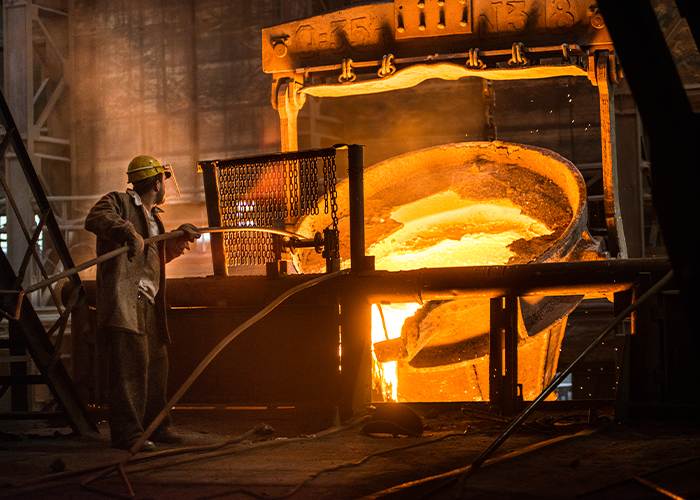
Sponge iron production generally involves the removal of oxygen from iron ore using a reducing agent at controlled temperatures.
The broad process includes:
- Selection and preparation of suitable iron-bearing raw materials
- Introduction of the material into a reduction system
- Reduction of iron oxide and removal of oxygen
- Cooling and handling of the resulting DRI
- Quality inspection and preparation for downstream use
Different production technologies can be used depending on plant design, scale, fuel availability, raw materials, and operational requirements.
Why Sponge Iron Is Important to Steelmaking
Sponge iron provides an alternative metallic input for steel production. Its use can be particularly relevant where steelmakers operate electric or induction-based furnaces.
Depending on its quality and the production route, DRI can help steelmakers manage their metallic charge mix and support consistent steel production.
This makes sponge iron an important link between iron ore processing and finished steel products.
What to Look for in a Sponge Iron Plant Manufacturer in India
When evaluating a sponge iron plant manufacturer in India, businesses should look beyond production capacity alone.
Important factors may include:
- Manufacturing and engineering capabilities
- Understanding of DRI production technology
- Plant design and operational efficiency
- Quality-control systems
- Equipment reliability
- Environmental management
- Energy utilisation
- Maintenance support
- Experience with industrial projects
A capable manufacturer should understand the technical requirements of the plant while also considering operational reliability and long-term performance.
Importance of Raw Material Quality
The quality of raw materials can significantly influence sponge iron production. Iron ore characteristics, size distribution, chemical composition, and other material properties can affect the efficiency of the reduction process and the quality of the resulting DRI.
Consistent raw-material assessment and appropriate process control are therefore important parts of plant operations.
Energy Efficiency and Process Optimisation
Energy consumption is an important consideration in any industrial manufacturing facility. Sponge iron plants need effective process control and equipment management to maintain productivity while using resources efficiently.
Process optimisation can involve monitoring operating conditions, maintaining equipment, reducing avoidable losses, and improving material handling.
Modern plants also increasingly consider energy efficiency as part of broader efforts to reduce production costs and environmental impact.
Environmental Considerations
The steel industry is under increasing pressure to improve its environmental performance. Sponge iron production can involve emissions, solid waste, and energy consumption, making environmental management an important aspect of responsible plant operation.
Facilities may focus on areas such as:
- Emission control
- Dust management
- Waste utilisation
- Water management
- Energy efficiency
- Process optimisation
- Regulatory compliance
Responsible manufacturing requires these considerations to be incorporated into plant planning and everyday operations.
Technology and Automation
Technology is becoming increasingly important in industrial production. Automation and monitoring systems can help operators track process conditions and identify deviations more quickly.
Data-driven monitoring can also support preventive maintenance and improve operational visibility. As manufacturing technology develops, greater use of sensors, process-control systems, and digital monitoring can contribute to more consistent plant performance.
Supporting India’s Steel Demand
India’s infrastructure development and industrial growth continue to create demand for steel. Roads, railways, buildings, renewable-energy projects, manufacturing facilities, and other infrastructure all require steel products.
A dependable domestic steel ecosystem therefore needs efficient production across different stages of the value chain.
Sponge iron plants contribute to this ecosystem by providing an important metallic input for steelmaking.
The Role of Experienced Manufacturers
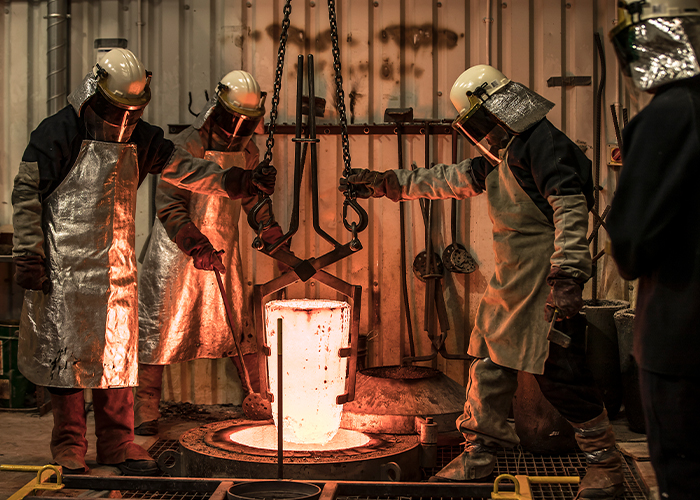
Plant manufacturers and technology providers have an important role in helping industrial businesses establish appropriate production systems. Their responsibilities can extend beyond equipment supply to include engineering considerations, process knowledge, plant integration, quality management, and operational support.
Businesses evaluating a plant manufacturer should therefore consider the manufacturer’s overall capabilities rather than focusing on a single specification.
Conclusion
Sponge iron is an important component of India’s steelmaking ecosystem, providing a valuable metallic input for several steel production routes. Efficient plants require suitable raw materials, reliable technology, process control, quality management, and responsible environmental practices.
Sree Metaliks is involved in India’s steel value chain and brings manufacturing expertise to steel-related operations. For organisations evaluating sponge iron production capabilities, a combination of technical expertise, quality focus, operational efficiency, and responsible manufacturing should remain central to the decision-making process.