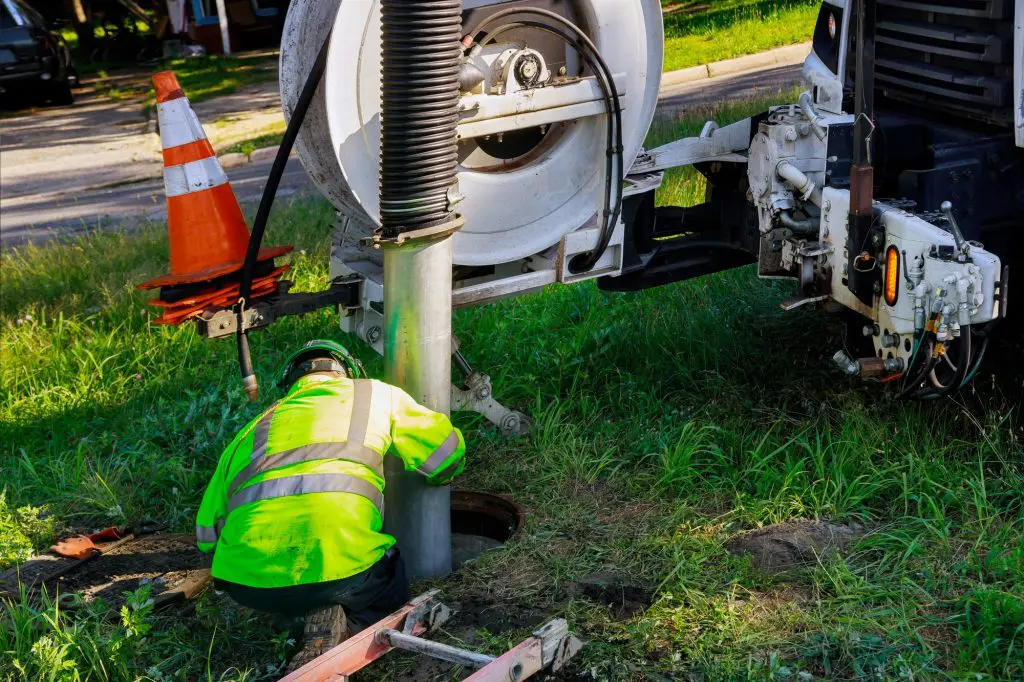
Modern technology identifies hidden pipe failures by using non-invasive acoustic sensors and thermal imaging to find the exact spot of a break. This approach removes the need for exploratory digging or damaging the yard to find a single leak. Experts use digital tools to listen for sound frequencies caused by escaping water, ensuring repairs happen quickly and accurately.
These methods give a clear view of a plumbing system without moving any dirt. By using high-frequency data, technicians distinguish between normal water flow and a pressurized leak. This guide explains how these tools work and why they are helpful for modern property maintenance.
Industry studies suggest that the average home can lose ten thousand gallons of water every year due to hidden leaks. Modern equipment handles this problem by finding small drips before they become major floods. You can save money and protect a foundation by using these professional detection methods early.
High Frequency Acoustic Sensors Identify Hidden Failures
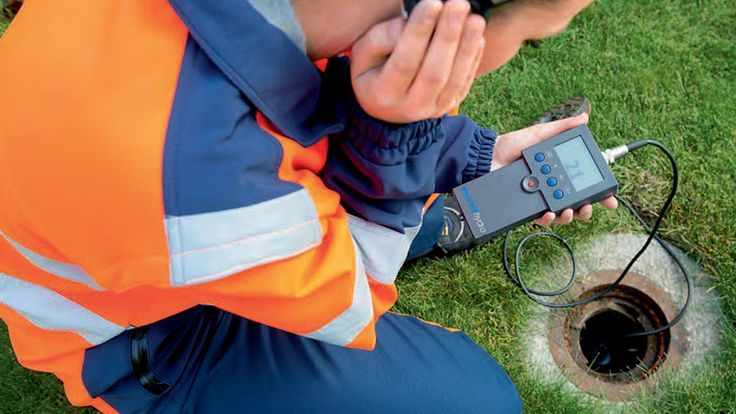
Acoustic detection is one of the most reliable ways to manage underground water leak detection in residential and commercial settings. When water escapes a pressurized pipe, it creates a distinct vibration that travels through the pipe wall and the surrounding soil. Modern microphones pick up these faint sounds even through thick concrete or deep soil.
High-quality sensors filter out background noise like wind, traffic, or nearby appliances. This allows the technician to focus solely on the hiss or thud of the water leak. By moving the sensor across the ground, they can find the spot where the sound is loudest.
- Ground microphones detect vibrations through solid surfaces like asphalt.
- Digital filters remove interference from environmental noise.
- Sensitivity settings allow for detection at various depths.
- Visual displays show sound intensity levels for better accuracy.
Digital Correlation Minimizes Property Disturbance
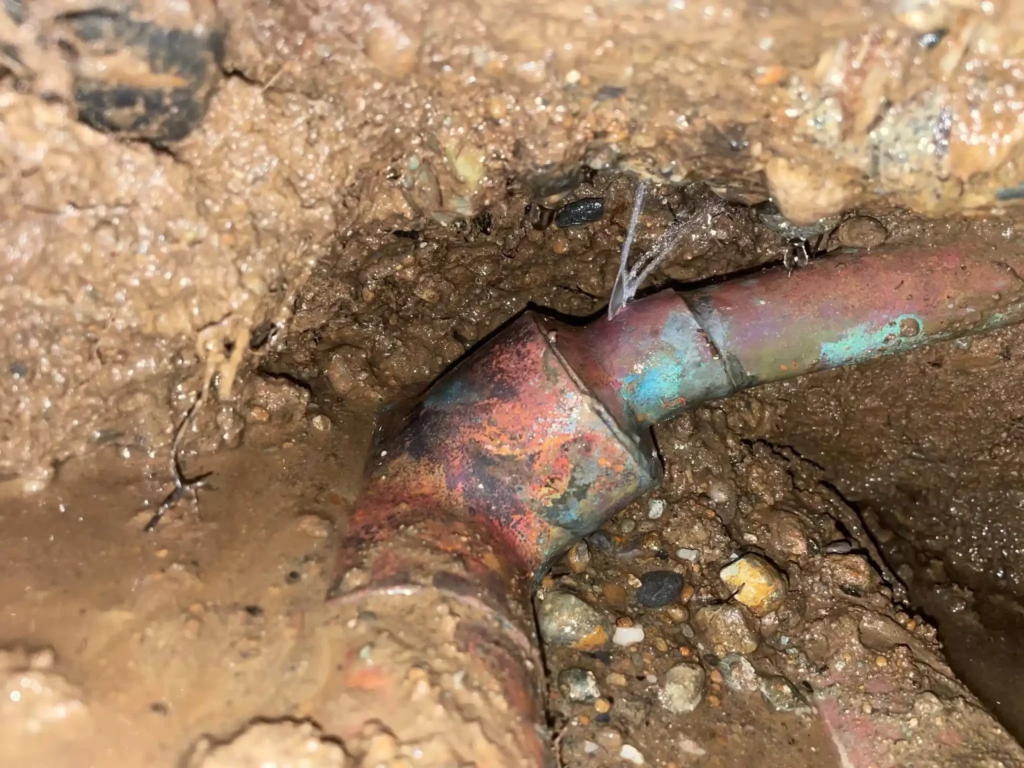
Digital correlators are sophisticated devices that use two sensors placed at different points on a pipe. These sensors talk to each other to calculate the exact distance of a leak based on how long the sound takes to reach each point. This method is effective for long stretches of pipe where the exact path might be unknown.
When you hire water leak detection services, they often use these correlators to verify findings from acoustic mics. This double-check system ensures that the repair crew only digs in the specific area needed. It reduces labor costs and the time spent on the property.
- Radio transmitters send data between sensors instantly.
- Algorithms calculate the leak position based on pipe material.
- This method works well for both metal and plastic pipes.
- It eliminates the guesswork common in older detection styles.
Why Is Modern Technology Faster Than Traditional Digging?
In the past, finding a leak often required digging long trenches along the suspected path of a pipe. This was slow and caused damage to driveways and gardens. Modern equipment skips the search phase and moves directly to the pinpointing phase. This speed is necessary for preventing soil erosion and foundation cracks.
Water leak detection solutions today focus on speed and precision. Using electromagnetic pipe locators alongside acoustic tools allows experts to map an entire system in minutes. Once the map is clear, finding the leak becomes a much simpler task.
Tracer Gas Methods For Low Pressure Systems
Sometimes a leak is too small or the pressure is too low to create a loud sound. In these cases, technicians use a tracer gas, typically a mix of hydrogen and nitrogen. They drain the line and fill it with this safe, light gas that escapes through the leak and rises to the surface.
Specialized sniffing tools detect the gas as it permeates through the soil or floor. This is particularly useful for indoor leaks under concrete slabs where sound might be muffled by insulation or flooring.
- The gas used is non-toxic and safe for drinking water lines.
- Sensors can detect even the smallest concentrations of gas.
- This method is effective for very deep pipes.
- It provides a secondary confirmation for difficult cases.
Equipment Comparison for Leak Identification
| Technology Type | Best Use Case | Precision Level | Surface Penetration |
|---|---|---|---|
| Acoustic Microphones | Pressurized city lines | High | Concrete and soil |
| Digital Correlators | Long-distance pipes | Very High | Direct pipe contact |
| Thermal Imaging | Hot water line leaks | Medium | Drywall and shallow slabs |
| Tracer Gas | Small or deep leaks | High | All surface types |
Regional Soil Impact On Detection Accuracy
The efficiency of underground water leak detection often depends on the local environment. In the Pacific Northwest, for example, the soil is often dense and saturated with moisture. This can affect how sound travels from a pipe to the surface. Professional teams adjust their equipment settings to account for these local conditions.
Wet soil can sometimes muffle high-frequency sounds, while sandy soil might allow sound to travel further but with less clarity. Expert technicians understand these variations and use different sensor heads to get the best possible reading.
- Heavy clay soil requires high-gain acoustic sensors.
- Rocky terrain may need specialized ground spikes for sensors.
- High water tables can create ghost sounds that require filtering.
- Tree roots in wooded areas can mimic the sound of a slow leak.
Bonus Tip: If you notice a sudden patch of bright green grass during a dry spell, it is a strong sign of a subsurface leak.
Thermal Imaging For Indoor Slab Leaks
Thermal cameras detect temperature differences on a surface. While they cannot see through walls, they can see the heat pattern caused by a leaking hot water pipe. This helps identify the spread of moisture before it causes visible mold or water stains on the walls.
This technology is a staple of modern water leak detection solutions because it is completely passive. It does not require any contact with the plumbing itself. It is a fast way to scan a large area of flooring to find the general vicinity of a problem.
- Infrared cameras show hot spots where water is pooling.
- Technicians can see the exact path of hot water lines.
- It identifies moisture behind tiles without removing them.
- Early detection prevents wood rot in subflooring.
Factors To Evaluate Before Hiring A Specialist
Choosing a provider for underground water leak detection requires looking at more than just the price. You need to ensure they have the right tools for a specific pipe material. Plastic pipes, like PEX or PVC, carry sound differently than copper or galvanized steel.
- Ask if they use both acoustic and digital correlation tools.
- Verify their experience with your specific type of property.
- Check if they provide a detailed report of the leak location.
- Ensure they offer non-destructive testing options.
Bonus Tip: Always check the water meter before calling for service. If the dial moves while all faucets are off, there is definitely a leak.
Summary Of Modern Detection Benefits
Modern equipment has changed the way property owners handle plumbing emergencies. By using sound, gas, and heat signatures, experts can find problems that were once invisible. This accuracy saves money on yard repairs and reduces the time water service is interrupted. High-tech sensors ensure that the solution is as non-invasive as possible.
You should monitor water bills for unexplained increases. Small leaks in underground lines can go unnoticed for months, leading to high costs and property damage. Evaluating a system with professional tools is an effective way to maintain the integrity of a home.
Find Professional Assistance For Your Water Line Needs And Get A Free Quote
If you suspect a hidden leak on your property, acting quickly can save you thousands in water bills and repair costs. You can reach out to the experts at All Drain Solutions for professional help. They offer full water leak detection services using the latest technology to protect your home or business. Their team provides accurate results without damaging the property. You can contact them at office@all-drain.com or call (253) 200-0451 to discuss your situation. All Drain Solutions handles everything from pipe mapping to final repairs, ensuring the plumbing system remains in top condition.
Common Questions About Hidden Water Leaks
How deep can modern sensors detect a water leak?
Most professional acoustic sensors can find leaks up to eight feet deep depending on the soil density and pipe pressure. Tracer gas methods can sometimes reach even deeper.
Will detection equipment work on plastic PEX piping?
Yes, though plastic pipes require lower frequency sensors because sound does not travel as easily through plastic as it does through metal.
Can these tools find a leak under a concrete driveway?
Yes, ground microphones are specifically designed to listen through solid surfaces like concrete and asphalt by picking up the vibrations of the escaping water.
How long does a typical detection appointment take?
Most residential leak detection tasks are completed within one to three hours, depending on the property size and the layout of the pipes.
Is the tracer gas used for detection dangerous to my family?
The gases used are non-toxic, non-flammable, and safe for use in residential environments. They do not leave any residue in the plumbing system.