

Most drivers do not think about their fan belt until something goes wrong. The car may start making a sharp squealing sound. The engine may begin to overheat. Or the battery warning light may suddenly turn on. At that moment, one small part becomes very important.
So how long does a fan belt really last? The answer may surprise you.
The lifespan of a fan belt depends on many factors, including driving habits, weather conditions, and the type of belt used. Some last only a few years, while others can go much longer without trouble. Understanding what affects its life can help you avoid sudden breakdowns and expensive repairs.
Let’s explore the full story.
Note:
If you need reliable guidance or replacement support for your Automotive fan belt(สายพานพัดลมรถยนต์), PIX Thailand can assist with professional advice and quality solutions. Contact them to ensure your vehicle stays safe and dependable on the road.
What Is a Fan Belt and Why Is It Important?
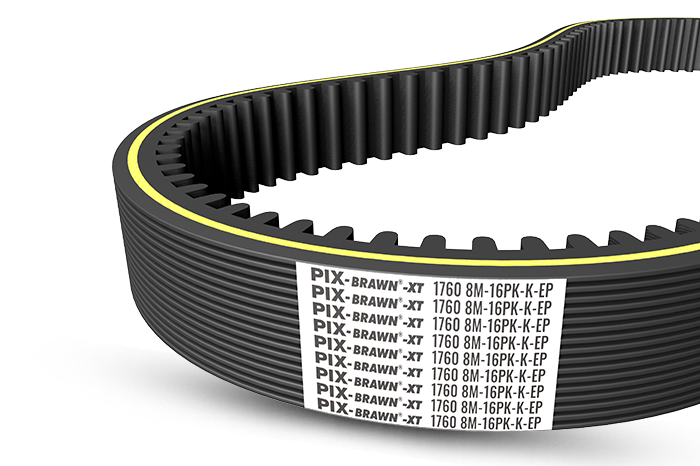
A fan belt is a rubber belt that connects different parts of your engine. It helps power important systems such as the cooling fan, alternator, and power steering pump. In many modern cars, it is also called a serpentine belt because it winds around several pulleys in a snake-like shape.
Without this belt, your car cannot run properly. The engine may overheat, the battery may stop charging, and steering could become difficult. In simple words, this small belt plays a very big role.
Because it works every time the engine runs, it slowly wears down over time.
The Average Lifespan of a Fan Belt
Most modern fan belts last between 60,000 and 100,000 kilometers. In some cases, they can last even longer. Older belts, especially those made from older rubber materials, may last closer to 40,000 to 60,000 kilometers.
Here is a simple comparison to help you understand:
| Type of Belt | Average Lifespan | Material Used | Common in |
|---|---|---|---|
| Traditional rubber belt | 40,000 – 60,000 km | Standard rubber | Older vehicles |
| Modern EPDM belt | 60,000 – 100,000+ km | Strong synthetic rubber | Most newer vehicles |
Modern belts are made from stronger materials that resist heat and cracking. That is why they usually last longer than older versions.
However, these numbers are only averages. Real-life driving conditions can change everything.
What Affects the Lifespan of a Fan Belt?
Many drivers are surprised to learn how many factors affect belt life. It is not only about mileage.
Driving Conditions
If you drive mostly in heavy traffic, your engine runs longer at low speeds. This creates more heat. Heat is one of the biggest enemies of rubber belts. On the other hand, smooth highway driving usually puts less stress on the belt.
Climate and Weather
Hot weather can cause the belt to dry out and crack faster. Very cold weather can make it stiff and less flexible. If you live in an area with extreme temperatures, your belt may wear out sooner.
Engine Condition
If other parts of the engine are not aligned properly, the belt may rub unevenly. This can cause faster wear. Oil leaks can also damage the rubber surface.
Maintenance Habits
Regular inspections help catch small cracks before they turn into big problems. Drivers who follow routine maintenance schedules often get the full lifespan out of their belt.
Warning Signs That Your Fan Belt Is Wearing Out
The belt does not usually fail without warning. It gives small signs first. The problem is that many people ignore them.
Common warning signs include:
- A high-pitched squealing noise when starting the car
- Cracks or frayed edges visible on the belt
- Engine overheating
- Battery warning light turning on
- Steering feeling heavier than normal
If you notice any of these signs, it is wise to check the belt immediately. Waiting too long can lead to sudden failure.
And here is the surprising part: a belt can look fine on the outside but still be weak inside. That is why regular inspection is important, even if there are no clear symptoms.
What Happens If a Fan Belt Breaks?
This is where things get serious.
If the belt snaps while driving, several systems may stop working at once. The engine could overheat within minutes. The battery may stop charging. Steering can become harder.
In some cases, you may be able to pull over safely. In others, you might be stuck on the side of the road.
Here is a quick overview of what may happen:
| What Fails | What You May Notice | Risk Level |
|---|---|---|
| Cooling system | Engine temperature rises quickly | High |
| Alternator | Battery light turns on | Medium to High |
| Power steering | Steering feels heavy | Medium |
| Air conditioning | AC stops working | Low |
Even though not every failure causes engine damage, overheating can lead to very costly repairs if ignored.
Can a Fan Belt Last Longer Than Expected?
Yes, sometimes it can.
If you drive gently, avoid extreme temperatures, and maintain your vehicle properly, the belt may last longer than the average range. Some drivers report belts lasting well over 100,000 kilometers.
However, it is not wise to push it too far. Replacing a belt is far less expensive than repairing an overheated engine.
A good rule is to inspect it during every major service and replace it according to your car manufacturer’s recommendation.
How Often Should You Check It?
Experts suggest checking the belt at least once a year or during regular servicing. If your car is older or driven in tough conditions, checking it more often is a smart move.
When inspecting, look for:
- Small cracks across the surface
- Shiny or glazed areas
- Missing pieces of rubber
- Loose tension
Even small damage can grow quickly.
Is Replacement Expensive?
Compared to many car repairs, replacing a fan belt is usually affordable. The cost depends on the car model and labor charges, but it is generally considered routine maintenance.
Delaying replacement, however, can turn a simple repair into a major engine problem. That is why early action is always better.
Final Thoughts: Don’t Wait for a Breakdown
The lifespan of a fan belt depends on many factors, but most last between 60,000 and 100,000 kilometers in modern vehicles. While that may sound like a long time, wear happens slowly and often silently.
The real question is not just how long it lasts, but how prepared you are before it fails.
Pay attention to small warning signs. Schedule regular inspections. Replace it before it snaps. A little care today can prevent big trouble tomorrow.
Frequently Asked Questions
1. Can I drive with a slightly worn fan belt?
It is possible for a short time, but it is risky. A worn belt can break suddenly without warning.
2. How do I know if my belt is too loose?
You may hear squealing noises or notice poor performance in powered systems like steering or charging.
3. Does a fan belt wear out faster in hot countries?
Yes. High temperatures can cause rubber to dry and crack more quickly.
4. Is the fan belt the same as the serpentine belt?
In many modern cars, yes. The serpentine belt performs the same job and powers multiple engine components.
5. Should I replace other parts when changing the belt?
Sometimes the belt tensioner or pulleys may also need inspection or replacement, depending on their condition.
Connect With PIX Thailand
Facebook https://www.facebook.com/pixtrans/
Instagram https://www.instagram.com/pixtrans/
YouTube https://www.youtube.com/user/pixtrans
LinkedIn https://www.linkedin.com/company/pixtrans/
Twitter https://x.com/pixtrans
Google Maps https://maps.app.goo.gl/V2NG4NKaZRKu7xtG6
For more infotactic content visit enterprisingcore