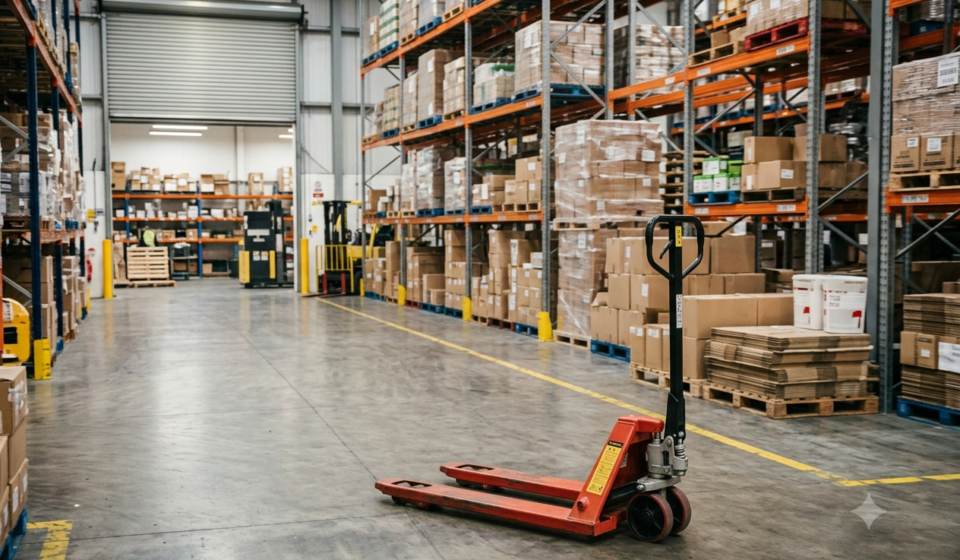

In the fast-paced logistics environment, small businesses increasingly rely on equipment that balances strength and versatility. Hand Pallet Truck models engineered for higher capacity are emerging as game-changers for compact operations, allowing teams to manage heavy loads without sacrificing maneuverability. Hand Pallet Truck With rising demand for agile supply chain solutions, these tools are reshaping expectations around productivity—and proving that smaller businesses can compete with larger counterparts through smarter resource utilization.
Efficiency in Compact Spaces
Redesigning for Tighter Warehouses
Modern high-capacity hand pallet truck models prioritize space optimization. Engineers have reduced turning radii and shortened frame lengths without compromising load-bearing capabilities. This allows operators to navigate narrow aisles and crowded storage areas common in small facilities. For instance, urban distribution centers with limited square footage can now move bulk inventory using equipment that fits through standard doorways and stacks within compact charging zones.
Impact on Operator Fatigue
Ergonomic advancements like low-effort hydraulic pumps and adjustable forks reduce physical strain during repetitive lifting tasks. When a warehouse processes dozens of shipments daily, minimizing operator fatigue directly translates to higher throughput. Studies suggest that even modest reductions in equipment resistance can lower injury risks over time, making these features particularly valuable for small teams managing inventory without dedicated forklift support.
Load Capacity Upgrades
Reinforced Frame Materials
Today’s high-capacity units leverage upgraded materials such as high-tensile steel alloys and reinforced weld points to handle heavier payloads safely. While traditional models often max out at 2-3 tons, newer designs support loads exceeding 5 tons. This expansion enables businesses to move larger containers, palletized goods, or raw materials in single trips—reducing movement cycles and labor hours during peak periods.
Real-World Application Scenarios
In sectors like agriculture and manufacturing, seasonal surges in inventory require temporary equipment boosts. High-capacity hand pallet trucks provide a cost-effective alternative to purchasing heavy machinery that would otherwise sit idle. A regional bakery supplier, for example, might use such tools to transport flour sacks or packaging crates during holiday orders, then scale back operations without long-term infrastructure investments.
Durability and Maintenance
Construction Quality Matters
Frequent use in small-scale operations demands rugged build quality. Sealed bearings resist dust intrusion in factory environments, while powder-coated finishes protect against corrosion in high-humidity settings like food warehouses. Choosing units with industrial-grade wheels also minimizes damage risk from abrasive floor surfaces, extending service life between repairs.
Simplified Maintenance Protocols
Modular component designs allow straightforward servicing—critical for businesses lacking in-house maintenance teams. Features like oil-free bushings and self-lubricating systems further reduce upkeep demands, ensuring high availability when equipment downtime could directly impact delivery schedules or production timelines.
Strategic Procurement Considerations
Evaluating Load Capacity vs. Operational Demands
Businesses must align equipment specifications with current and anticipated workload patterns. For example, a facility handling 3-ton loads annually but expecting growth might prioritize a 5-ton model for future-proofing. Factors like load distribution (e.g., uniformly stacked vs. irregularly shaped items) and terrain conditions (e.g., uneven warehouse floors) also influence capacity requirements. A mismatch between operational demands and truck capabilities can lead to premature wear or safety risks.
Prioritizing Scalability and Modular Accessories
Modern hand pallet truck designs often include modular features that adapt to evolving needs—such as adjustable forks for variable pallet sizes or retrofit-compatible smart sensors for load monitoring. Investing in adaptable models allows small businesses to integrate upgrades like wireless inventory tracking or anti-collision technology without replacing entire fleets. This flexibility is particularly valuable for companies operating in markets with fluctuating volume demands or seasonal peaks.
Cost-Effectiveness Considerations
Total Cost of Ownership Framework
While premium models command higher upfront costs, their long-term value emerges through reduced labor needs and lower replacement frequency. Businesses should evaluate metrics like maintenance intervals, parts availability, and depreciation rates when calculating total cost of ownership. For instance, a unit with sealed hydraulic systems might save time and expenses associated with frequent fluid checks. Small enterprises can use this framework to justify investments to stakeholders by quantifying efficiency gains across a 3–5-year horizon.
Leasing vs. Purchasing Financial Models
For small businesses with tight margins, leasing options or phased adoption programs provide a viable entry point to test performance before committing to a full fleet upgrade. Leasing mitigates upfront costs and offers access to the latest models with minimal financial risk. However, purchasing outright often proves advantageous for companies with stable workflow demands, as it eliminates recurring fees and builds tangible asset value over time. Evaluating these options requires weighing cash flow constraints against long-term operational needs.
Key Takeaway
High-capacity hand pallet trucks have become vital in small-scale distribution by improving operational efficiency and load-handling capabilities. Their ability to streamline workflows while managing heavier shipments makes them a strategic investment for growing businesses facing space and budget constraints.