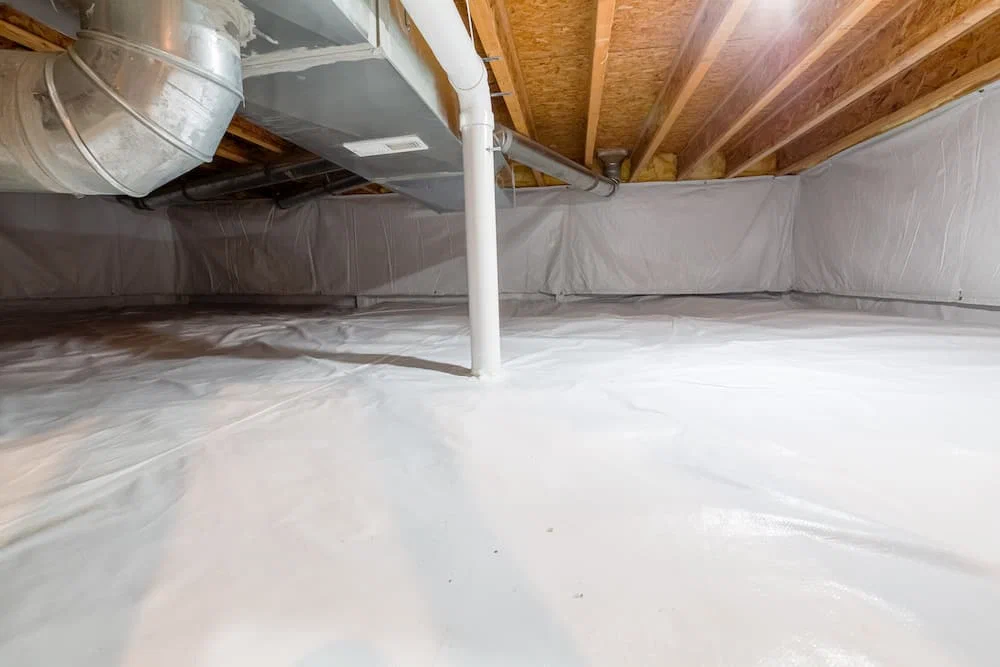
Crawl space encapsulation prevents mold growth by covering the soil floor and foundation walls with an airtight, heavy-duty vapor barrier that blocks incoming ground moisture. Combined with air sealing and mechanical dehumidification, this setup keeps relative humidity levels well below the threshold where fungi can survive. Homeowners who invest in professional crawl space mold encapsulation services effectively stop moisture intrusion, safeguard structural floor joists, and protect their indoor air quality.
Unsealed crawl spaces in upper Midwest climates face constant moisture pressure from seasonal temperature swings and damp soil conditions. Because warm air rises, up to half of the air inside your living spaces travels directly upward from the lowest areas of your house. Addressing moisture below your floorboards prevents airborne spores and wood rot from spreading throughout your entire property.
Why Minnesota Homes Experience High Moisture
Minnesota weather creates a challenging environment for residential foundation spaces. Deep winter snowpacks accumulate around foundations, followed by rapid spring thaws that saturate the surrounding soil with thousands of gallons of liquid water.
During hot summer months, warm outdoor air carries high humidity into cold subterranean spaces under your floor. When this warm, humid air hits cooler concrete walls or dirt floors, condensation forms immediately on exposed surfaces.
- High soil saturation during spring snowmelts pushes dampness through porous foundation materials.
- Summer relative humidity levels frequently exceed 70 percent in untreated subfloor spaces.
- Continuous humidity above 60 percent creates ideal conditions for wood-decay fungi to colonize floor structures.
- The natural stack effect pulls contaminated lower air upward into upper living areas.
When bare dirt or concrete remains exposed, moisture vapor streams continuously into the space below your living quarters. This relentless moisture source fuels active crawl space mold growth that slowly compromises structural wooden beams and subflooring over time.
How Encapsulation Stops Mold Growth Step by Step
Encapsulation changes an unconditioned dirt cavity into a dry, clean, and controlled subfloor environment. By cutting off moisture supply lines, encapsulation deprives fungi of the damp environment required for survival.
Sealing Ground and Wall Surfaces
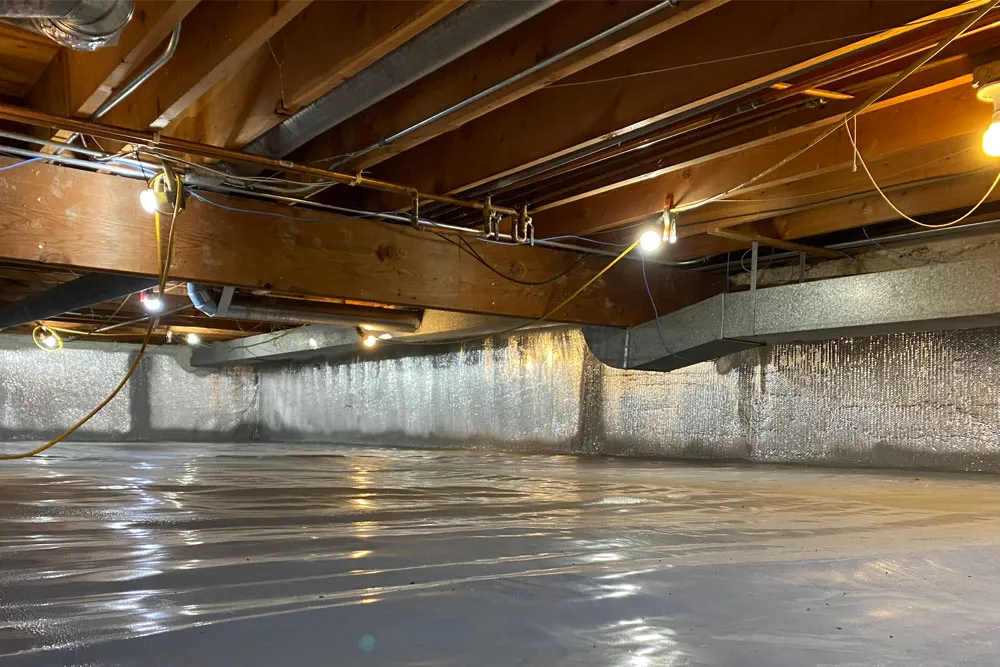
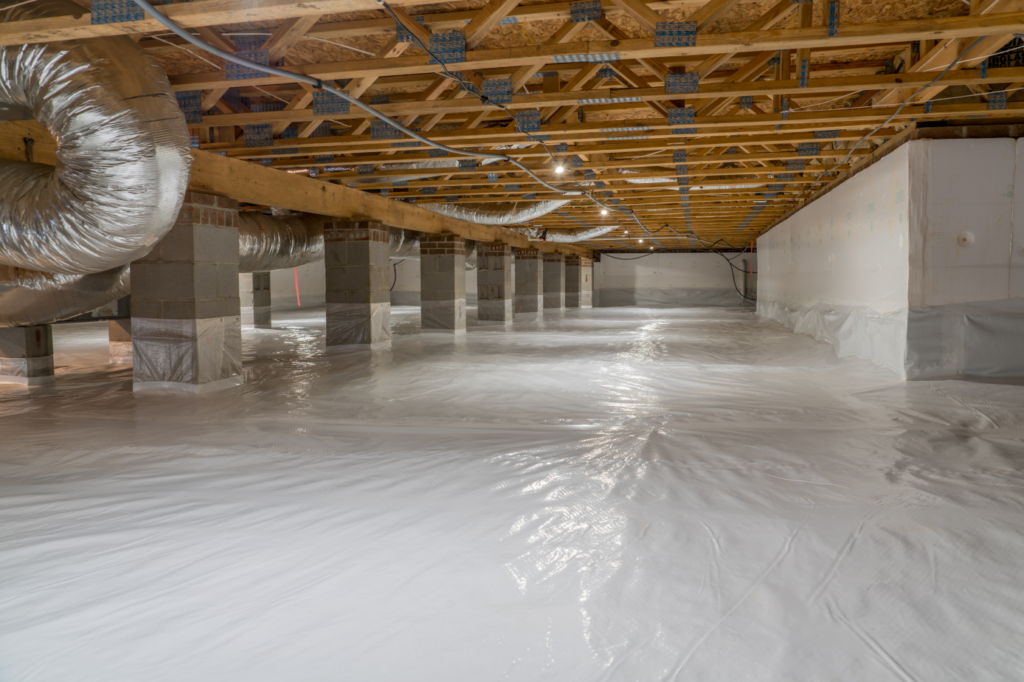
Contractors cover the dirt floor and masonry walls with thick, reinforced polyethylene sheeting. They overlap all seams and fasten the vapor barrier securely to foundation walls to trap soil moisture underneath the plastic membrane.
- Multi-layer thick membranes resist punctures and tears from foot traffic during home repairs.
- Continuous wall coverage prevents water vapor from seeping through porous concrete blocks.
- Sealed seams create an unbroken barrier against soil gases and liquid water intrusion.
Bonus Tip: Ensure the installed vapor barrier uses a minimum 12-mil to 20-mil thickness. Thinner plastic sheeting tears easily during routine maintenance visits and lets dampness pass through over time.
Eliminating Air Leaks and Outside Vents
Older building codes once required open foundation vents to promote airflow. In northern climates, these open vents actually bring in hot summer humidity and freezing winter air, worsening moisture trouble.
During encapsulation, technicians completely seal all exterior vents, foundation cracks, and rim joist gaps. Sealing prevents humid outside air from mixing with cooler subfloor air and creating condensation drops on cold surfaces.
Regulating Relative Humidity Levels
Once the structure is completely sealed, high-grade crawl space encapsulation services include installing a dedicated commercial dehumidification system. These units automatically monitor ambient conditions and remove residual moisture from the air.
- Mechanical systems maintain indoor relative humidity strictly between 40 and 50 percent.
- Low moisture levels completely halt fungal reproduction cycles on organic materials.
- Built-in condensate pumps automatically send extracted water safely away from your home foundation.
Using high-quality crawl space mold encapsulation services keeps internal humidity levels consistently below 50 percent, making it impossible for surface fungi to grow or spread.
Comparing Traditional Venting to Complete Encapsulation
Choosing between leaving an open-vented space and installing a full encapsulation system impacts your home’s longevity and monthly utility bills. Modern building science heavily favors enclosed, conditioned spaces over old vented methods.
| Feature / Metric | Traditional Vented Space | Fully Encapsulated System |
|---|---|---|
| Relative Humidity Control | Poor (Fluctuates with weather) | Excellent (Maintained under 50%) |
| Mold and Decay Risk | High (Frequent condensation) | Extremely Low (Dry environment) |
| Energy Efficiency Impact | High energy loss (Up to 18% waste) | Improved insulation performance |
| Pest Intrusion Potential | High (Open vents allow easy access) | Low (Seals prevent pest entrance) |
| Indoor Air Quality | Poor (Spore accumulation) | Clean (Filtered and dry air) |
The comparison shows clear performance differences. Vented systems expose wood framing to constant weather changes, whereas sealed systems offer complete moisture defense across every season.
Key Factors to Review Before Hiring a Service Provider
Fixing moisture issues requires careful planning and the right structural approach. Before hiring a contractor, evaluate the existing condition of your foundation and clean up any pre-existing contamination properly.
- Schedule a complete structural inspection to find standing water or active plumbing leaks.
- Request thorough cleaning of active fungal growth before sealing the area in plastic membranes.
- Verify that the contractor installs thermal insulation along foundation rim joists.
- Confirm that installed dehumidifiers carry adequate capacity ratings for your total square footage.
Homeowners searching for mold encapsulation near me or reliable crawl space cleaning near me should ensure their selected contractor handles both surface cleaning and long-term vapor defense.
Bonus Tip: Always address exterior drainage issues, such as short downspout extensions or poor soil grading, before completing interior encapsulation work. Eliminating exterior pooling water reduces hydraulic pressure against foundation walls.
By investing in specialized crawl space mold encapsulation services, property owners protect their floor framing from costly rot while establishing a healthy home environment.
Conclusion: Protecting Your Subfloor and Foundation
Encapsulating your foundation area provides long-lasting protection against structural wood rot and airborne contaminants. Blocking soil moisture with reinforced vapor barriers and controlling humidity with automated dehumidifiers completely stops fungal growth.
- Sealed ground membranes prevent saturated soil from releasing moisture into subfloor air.
- Controlled humidity keeps relative moisture levels below 50 percent year-round.
- Closing foundation vents reduces energy loss and keeps outdoor humidity outside.
- Improved subfloor air quality directly boosts the air quality inside your main floor living space.
Homeowners should carefully assess their property’s drainage, insulation needs, and structural framing when planning subfloor improvements to ensure long-term value and comfort.
Professional Assistance for Your Home Moisture Needs
Resolving subterranean moisture concerns requires experienced technicians who understand local soil dynamics, thermal performance, and building code requirements. If you suspect hidden dampness under your floors, contacting a reputable team like Peak Spray Foam offers a clear path toward a dry home. Their experts evaluate your foundation space, install high-performance vapor barriers, and apply closed-cell insulation tailored to your layout. Contact them today via email at info@peaksprayfoamllc.com or call (612) 482-4742 to request a free quote for your project.
Frequently Asked Questions About Crawl Space Moisture
How Long Does Crawl Space Encapsulation Last?
A professionally installed system using thick 12-mil to 20-mil reinforced vapor barriers typically lasts 20 years or longer. Regular maintenance of the dehumidification equipment helps ensure the liner remains effective over time.
Will Encapsulation Lower Winter Heating Costs?
Yes, closing exterior vents and sealing rim joists stops cold air drafts from entering under your floorboards. This thermal barrier can reduce overall home heating and cooling expenses by up to 15 percent.
Can You Encapsulate a Space with Standing Water?
Standing water must be removed before installing a vapor barrier. Contractors typically install a sump pump system and perimeter interior drainage tiles to collect and remove free water before laying down plastic liners.
Does Encapsulation Kill Existing Mold Automatically?
Covering fungal colonies stops them from growing, but it does not remove existing spores or dead organic matter. Pre-existing contamination must be physically cleaned and treated before sealing the space.
How Often Should Dehumidifier Filters Be Changed?
Dehumidifier air filters in an encapsulated space should be checked and cleaned or replaced every six to twelve months to ensure proper airflow and maintain moisture control performance.