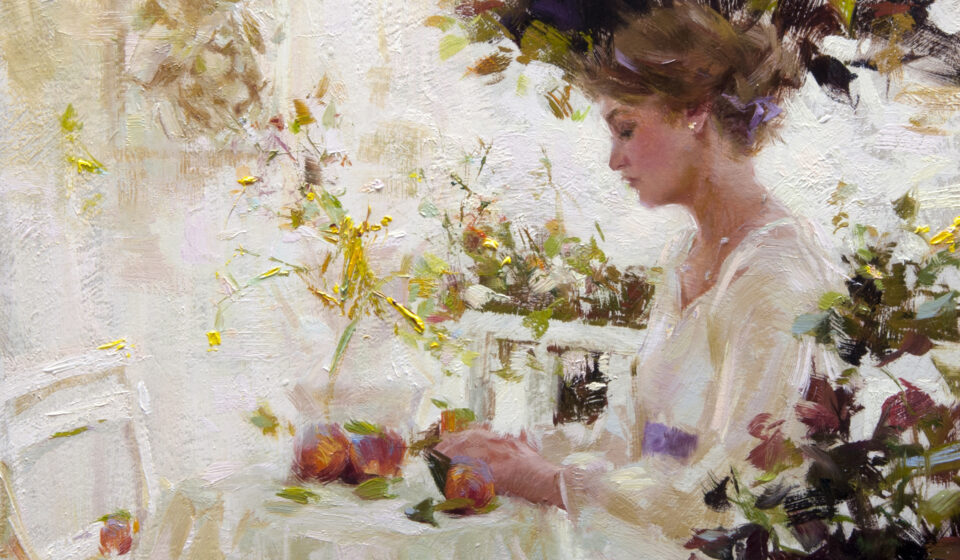

Art has a special ability to preserve memories, express emotions, and communicate ideas in ways that words sometimes cannot. While ready-made artwork offers many attractive options, personalized pieces allow people to bring their own stories and creative preferences into a finished composition. Whether inspired by a memorable photograph, a favorite landscape, or an imaginative concept, custom artwork can create a meaningful connection between the artist and the person who commissions it.
Custom Oil Paintings offer an opportunity to transform individual ideas into distinctive handmade artwork. Through careful planning, artistic interpretation, and traditional painting techniques, artists can turn personal references into compositions that reflect specific tastes and experiences. The result is more than a decorative object; it is a visual expression shaped around an individual’s vision.
1. Turning Personal Memories into Artistic Expressions
Many custom oil paintings begin with a meaningful memory. A family photograph, a special celebration, a favorite holiday destination, or a portrait of someone important can provide the inspiration for a personalized piece.
Artists study the reference material and identify the details that make the subject meaningful. They may focus on facial expressions, surrounding scenery, lighting, or small visual elements that help communicate the original memory.
Unlike a standard decorative painting, a personalized artwork can preserve details that have individual significance.
For example, a family portrait may include a particular background or arrangement that reflects the family’s shared experiences. A landscape may recreate a place associated with a memorable journey.
These personal elements give the finished painting emotional value as well as visual appeal.
2. Translating Ideas into a Clear Artistic Concept
Not every customer begins with a finished design. Some people have a general idea, a preferred theme, or a feeling they want the artwork to communicate.
The artist’s role is to interpret these ideas and develop them into a practical composition.
This process may involve discussing:
- The main subject or theme.
- Preferred artistic style.
- Color combinations and mood.
- Canvas size and orientation.
- Important visual details.
- Intended display location.
Reference photographs, sketches, and written descriptions can help communicate the desired direction.
A clear concept gives the artist a foundation for making creative decisions while leaving room for artistic interpretation.
3. Choosing an Artistic Style That Reflects Personal Taste
One of the main advantages of commissioning an oil painting is the freedom to select a style that suits individual preferences.
Different painting styles create different visual experiences.
Realistic Oil Paintings
Realistic artwork focuses on accurate proportions, detailed features, and natural color relationships. It is often selected for portraits, landscapes, and still-life compositions.
Impressionistic Paintings
Impressionistic techniques emphasize light, atmosphere, and visible brushwork. They can give familiar subjects a softer and more expressive appearance.
Abstract Oil Paintings
Abstract compositions use shapes, textures, and color relationships to communicate ideas without necessarily representing recognizable objects.
Contemporary and Decorative Styles
Modern artwork may combine simplified forms, expressive colors, and unconventional compositions to create a distinctive visual effect.
Choosing the right style helps ensure that the painting reflects both the subject and the personality of the person commissioning it.
4. Using Color to Communicate Emotion
Color is an important part of personalized artwork because it influences the atmosphere and emotional character of a composition.
Artists can adjust the palette according to the subject, personal preferences, and intended environment.
Warm shades such as red, orange, and yellow may create energy and visual warmth. Blues and greens can produce a calmer feeling, while neutral colors may contribute to a more understated appearance.
Color preferences can also have personal meaning. Someone may request shades associated with a favorite place, a family tradition, or a particular interior design scheme.
By considering these preferences during the planning stage, artists can create paintings that feel more closely connected to the customer’s original idea.
5. Transforming Photographs into Handmade Artwork
Photographs are among the most common sources of inspiration for custom oil paintings.
A photograph captures a specific moment, but an artist can interpret it through traditional painting techniques. Instead of simply reproducing every detail, the painter may emphasize important features, adjust the background, or develop a particular mood.
The process typically involves several steps:
- Reviewing the supplied photograph.
- Evaluating its composition and image quality.
- Planning the painting’s dimensions and proportions.
- Establishing the main shapes and colors.
- Applying oil paint in layers.
- Refining details and completing the composition.
The final result can preserve the subject of the original photograph while introducing the texture, depth, and individuality of handmade painting.
High-quality reference images are especially useful for portraits and other subjects that require accurate details.
6. Creating Meaningful Portraits
Portraits are a popular choice for personalized oil paintings because they allow individuals to preserve the appearance and personality of someone important.
A portrait may feature an individual, a couple, a family, or even a beloved pet.
Creating a successful portrait requires attention to more than physical resemblance. Artists must consider facial expression, posture, lighting, proportions, and the overall character of the subject.
Small details can make a significant difference. The direction of the eyes, the position of the hands, or the use of a familiar background may contribute to the painting’s personal meaning.
Through careful brushwork and color blending, oil painting can give portraits a depth and warmth that make them especially suitable for display or gifting.
7. Adding Personal Details to the Composition
Customization allows customers to include visual elements that might not appear in a standard artwork.
These details can make a painting more closely connected to the intended story.
Examples include:
- A meaningful location or landscape.
- Objects associated with a personal memory.
- Favorite flowers or natural elements.
- Important dates or symbolic details.
- Specific clothing or background colors.
- Elements representing hobbies or interests.
However, including too many details can make a composition feel crowded.
Artists help determine which elements should receive the most attention and how they can be incorporated without disturbing the overall balance.
The goal is to preserve personal meaning while creating a visually coherent painting.
8. Exploring the Unique Qualities of Oil Painting
Oil paint is valued for its rich color, flexible working time, and ability to produce different textures.
These characteristics make it suitable for a wide range of custom projects.
Artists can blend colors gradually, build transparent or opaque layers, and create visible brushstrokes according to the desired style.
The medium also supports different levels of detail. A realistic portrait may require delicate transitions between light and shadow, while an expressive abstract painting may use thicker paint applications and energetic marks.
These possibilities allow artists to adapt their techniques to the customer’s idea rather than following a single visual formula.
9. Selecting the Right Canvas Size and Orientation
The physical dimensions of a custom painting influence how its composition is developed and where it can be displayed.
A smaller canvas may be appropriate for a personal portrait or decorative accent, while a larger format can make a strong impression in a living room, office, or commercial interior.
Orientation also matters.
- Portrait orientation is often suitable for individual figures and vertical compositions.
- Landscape orientation works well for scenery and wider subjects.
- Square formats can create balanced arrangements for portraits or abstract designs.
Before production begins, customers should consider the available wall space and the distance from which the painting will normally be viewed.
Providing accurate dimensions helps the artist plan the composition more effectively.
10. Making Custom Artwork Part of Interior Design
Personalized oil paintings can also contribute to the character of an interior space.
A painting may become the focal point of a room, complement existing furnishings, or introduce color and visual contrast.
For a living room, a large landscape or expressive abstract composition can create a strong decorative feature. Bedrooms may benefit from softer imagery and balanced colors, while offices can use contemporary artwork to establish a more distinctive atmosphere.
When selecting a custom painting for an interior, consider:
- Existing wall colors.
- Furniture and decorative materials.
- Available wall dimensions.
- Natural and artificial lighting.
- The overall mood of the room.
A well-planned painting can connect personal expression with practical interior design.
11. The Collaboration Between Artist and Customer
A successful custom painting depends on effective communication.
Customers bring the original idea, references, and personal preferences, while artists contribute technical knowledge and creative experience.
The collaboration may include discussions about composition, color, style, dimensions, and finishing requirements.
For larger or more detailed projects, preliminary sketches or design reviews can help confirm that both parties understand the intended result.
It is also important to discuss realistic production timelines. Oil paintings may require several stages of work and sufficient drying time, depending on their complexity and paint application.
Clear expectations help make the process more organized and enjoyable.
12. Why Custom Oil Paintings Make Thoughtful Gifts
Personalized paintings can be meaningful gifts because they are created around a particular person, relationship, or memory.
They may be commissioned for birthdays, anniversaries, weddings, family celebrations, or special milestones.
A painting based on a meaningful photograph or shared experience can communicate thoughtfulness in a way that a standard gift may not.
Custom artwork also has the potential to become a lasting keepsake. Rather than being associated only with a particular occasion, it can remain part of a home’s decoration for many years.
The most successful gift paintings are those that reflect the recipient’s interests and personal story.
Tips for Ordering a Custom Oil Painting
Before commissioning an artwork, a little preparation can help achieve a better result.
Choose suitable reference images: Clear photographs make it easier for artists to understand important details and proportions.
Explain your preferences: Describe the subject, style, colors, and mood you want to achieve.
Confirm the dimensions: Measure the intended display area before selecting canvas size.
Discuss the artistic approach: Make sure you understand whether the painting will be realistic, expressive, abstract, or based on another style.
Ask about materials: Clarify the type of canvas, paints, and finishing treatments being used.
Agree on the timeline: Allow enough time for painting, drying, inspection, and delivery.
Confirm the final specifications: Written details can help avoid misunderstandings about the completed artwork.
These steps help create a clear foundation for the artist and make the commissioning process more straightforward.
Conclusion
Custom oil paintings turn personal ideas into unique works of art by combining individual inspiration with traditional artistic skill. Whether based on a cherished photograph, a meaningful location, a personal concept, or a distinctive decorative preference, each project offers an opportunity to create something with individual character.
Through careful planning, suitable color choices, thoughtful composition, and expressive painting techniques, artists can transform simple ideas into lasting visual pieces.
The appeal of personalized oil paintings lies in this combination of creativity and personal meaning. They do more than decorate a wall; they preserve memories, communicate emotions, and bring individual stories into everyday spaces.