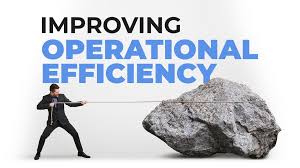

Quick answer: A management consultant analyzes your current workflows, identifies hidden bottlenecks, and implements targeted strategies to increase productivity. By bringing objective expertise, these professionals help organizations streamline daily operations, reduce wasted resources, and achieve sustainable growth much faster than relying solely on internal teams.
Many businesses reach a critical point where growth stalls because daily tasks demand too much time and money. Leaders frequently find themselves trapped in a cycle of putting out immediate fires rather than focusing on long-term planning. The sheer volume of emails, redundant meetings, and disjointed software systems can quickly overwhelm even the most dedicated teams.
This is where the concept of operational efficiency becomes absolutely vital. Operational efficiency involves doing things better, faster, and cheaper without sacrificing the quality of your product or service. It means maximizing the output you get from your daily inputs, whether those inputs are employee hours, raw materials, or software subscriptions.
Achieving this internally is difficult when your staff is already stretched to its limits. Bringing in an outside expert changes the dynamic completely. A management consultant offers a fresh, unbiased perspective to spot systemic issues that your internal team might overlook due to their daily familiarity with the problems.
What drives companies to seek the best business management consultancy Dubai?
Organizations actively seek outside intervention when they face stagnant revenue or rapidly rising operational costs. Leaders look for the best business management consultancy Dubai to gain access to global best practices that are specifically tailored to the demands of a fast-paced market. These consulting firms provide highly objective assessments of your current organizational efficiency. They map out every single step of your daily operations to discover exactly where time and capital leak away.
Internal teams are often too close to the problems to see the solutions clearly. Personal relationships and office politics can cloud judgment and prevent necessary changes. An external advisor cuts through these barriers and focuses strictly on the data at hand. They conduct thorough audits of your technology stack, interview employees across different departments, and review financial statements. By doing so, they pinpoint redundant tasks and suggest software automation or team restructuring to drive meaningful workflow improvement.
How does a business development consultant streamline your workflows?
Once a company identifies its major bottlenecks, it needs a practical plan to fix them. A professional business development consultant steps in to design and execute these necessary changes. These experts do not simply hand management a long report and exit the building. Instead, they work closely alongside your staff to implement a sustainable, updated business strategy.
This hands-on methodology ensures that new processes actually stick. For example, a consultant might introduce a new cloud-based inventory system to replace manual spreadsheets, or they might reorganize your reporting structure to speed up internal approvals. By focusing intensely on process optimization, the consultant ensures every employee knows their exact responsibilities and the most efficient way to execute them. This structural clarity dramatically reduces human error, speeds up delivery times, and boosts overall employee morale.
What are some helpful tips for maximizing your consulting partnership?
Hiring a consultant is only the first step. To get the most out of this partnership, your organization must be willing to collaborate openly. Keep these actionable tips in mind when engaging an expert:
- Provide complete transparency: Share your financial numbers, employee turnover rates, and candid feedback. Consultants need accurate data to diagnose the real problems.
- Communicate with your team: Explain the goals of the consulting project to your entire staff early on. Clear communication reduces fear and resistance to change.
- Set measurable targets: Define what success looks like by establishing clear metrics for your desired operational performance.
- Assign an internal lead: Designate a trusted project manager within your company to serve as the main point of contact for the consultant. This keeps the project moving smoothly and ensures accountability.
Final words: Are you ready to optimize your business operations?
Taking the definitive step to hire an external expert represents a serious investment in your company’s long-term future. When you successfully streamline processes and eliminate daily waste, you immediately free up capital and time. Your team can then redirect those resources toward innovation, customer service, and market expansion.
Do not wait for deep-seated inefficiencies to drain your profits entirely. Evaluate your current workflows today, document your biggest operational pain points, and consider reaching out to a qualified management consultant to guide your organization toward its next phase of growth.
Frequently Asked Questions
How much does a management consultant typically cost?
Consulting costs vary widely based on the scope of your project and the specific expertise required. Organizations can expect to pay either an hourly rate, a project-based flat fee, or a monthly retainer. Always ask the consulting firm for a detailed proposal upfront to ensure the financial investment aligns with your expected operational savings.
How long does it take to see improvements in operational efficiency?
Most organizations begin to observe noticeable improvements within three to six months of implementation. However, the exact timeline depends heavily on the complexity of your current legacy systems and how quickly your internal team adopts the newly recommended processes.
What is the main alternative to hiring an external management consultant?
The primary alternative is building a dedicated internal strategy and operations team. While this approach keeps institutional knowledge entirely in-house, it requires a massive upfront financial investment in salaries, benefits, and training. Furthermore, internal teams always carry the risk of developing the same organizational biases that caused the original inefficiencies.