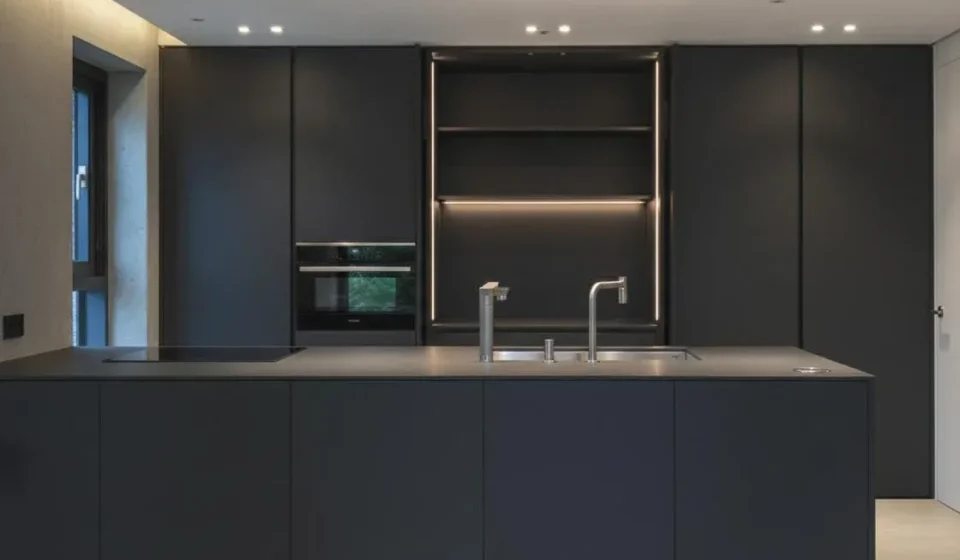

Interior design has evolved significantly, with modern materials combining visual appeal, durability, and everyday functionality. Laminate surfaces have become a popular choice for residential and commercial spaces because they offer diverse colours, patterns, textures, and finishes to suit different design preferences.
With decades of experience in surface innovation, Virgo Group reflects laminates’ evolving role in contemporary interiors. From natural wood-inspired finishes to sophisticated solid colours, laminate design now supports creative freedom while meeting practical requirements. Manufacturing advances have also improved surface consistency, durability, and versatility, making laminates an important part of modern interior planning.
Modern Surface Design Transforming Contemporary Interiors
Changing lifestyles and architectural preferences have encouraged the development of decorative surfaces that balance appearance with performance.
1. Moving Beyond Traditional Surface Materials
Earlier interior surfaces often offered limited choices in patterns, colours, and finishes. Modern laminates provide broader design flexibility, allowing homeowners and designers to create coordinated interiors without relying exclusively on natural materials. Woodgrains, stone-inspired patterns, metallic effects, and solid colours help achieve different visual styles while supporting practical applications across furniture, cabinets, doors, and wall panels.
2. Improving Durability Through Advanced Manufacturing
Modern manufacturing techniques have helped improve the consistency and performance of laminate surfaces. High-pressure laminates use layers bonded under controlled heat and pressure to create durable decorative materials. Depending on the product specification, these surfaces can resist scratches, stains, heat, and everyday wear. This makes material selection important for spaces that experience frequent use.
3. Expanding Choices Through Textures And Finishes
Texture plays an important role in how an interior looks and feels. Matte surfaces create understated elegance, while glossy finishes reflect light and add visual brightness. Textured, synchronised designs can more closely reproduce the look of natural wood or stone. These options allow designers to coordinate surfaces with furniture, lighting, flooring, and wall colours for a cohesive interior.
4. Supporting Diverse Residential And Commercial Spaces
Laminate applications now extend across kitchens, bedrooms, offices, retail stores, hospitality settings, and institutional interiors. Different surface types can be selected according to the demands of each environment. Decorative laminates suit furniture and interior panels, while compact laminates support applications that require greater thickness and structural strength. Selecting products based on use helps balance design expectations with functional needs.
5. Encouraging Creative Interior Personalisation
Personalisation has become central to contemporary interior design. Homeowners may prefer warm woodgrains, minimalist solid colours, or bold decorative patterns, while commercial projects often require coordinated finishes that reflect a particular identity. The wide range of available laminate designs makes it easier to develop distinctive interiors while maintaining consistency across multiple surfaces and furniture elements.
Evolving Production Standards Among Modern Laminate Manufacturers
Material innovation has pushed manufacturers to focus on design variety, reliable performance, and consistent quality across applications.
The role of laminate manufacturers extends beyond producing decorative sheets. They must consider surface appearance, bonding quality, technical performance, and suitability for different environments. Product development also involves understanding changing architectural preferences and the practical requirements of designers, contractors, furniture makers, and homeowners.
Manufacturing standards and product specifications help buyers compare suitable options for their projects. Factors such as thickness, surface finish, resistance properties, and intended application can influence the final selection. Reviewing technical documentation and product samples can help customers make informed decisions before installation. As design expectations continue to evolve, the combination of reliable manufacturing and varied surface choices remains important for creating attractive, functional, and long-lasting interiors.
Key Factors Shaping The Future Of Laminate Design
The evolution of laminate design reflects a growing focus on performance, flexibility, and responsible material choices.
1. Greater Focus On Long-Term Performance
Durability remains an important consideration when choosing decorative surfaces. Laminates intended for frequently used furniture or commercial interiors should match the expected level of wear. Checking specifications for scratch, stain, moisture, and heat resistance helps buyers understand product capabilities. Appropriate installation and regular care also contribute to maintaining the appearance of the finished surface.
2. Integration Of Contemporary Design Trends
Interior trends continue to influence the colours, textures, and patterns available in laminate collections. Minimalist interiors often favour neutral shades and subtle textures, while statement spaces may use darker tones or distinctive decorative patterns. Selecting finishes that complement lighting, furniture, and surrounding materials helps create balanced interiors that remain visually appealing beyond short-lived trends.
3. More Efficient Material Selection
Choosing a suitable laminate begins with understanding where and how it will be used. Kitchen cabinets, wardrobes, office desks, wall panels, and commercial counters can have different performance requirements. Comparing thickness, finish, installation needs, and maintenance expectations helps narrow the options. This practical approach supports better decisions without sacrificing the intended design.
4. Increasing Attention To Sustainability
Responsible manufacturing and material sourcing are becoming more important across the interiors industry. Buyers can review available environmental certifications, sourcing information, and manufacturer documentation when comparing products. Manufacturing processes that focus on resource efficiency and responsible practices can support broader sustainability goals. Product selection should consider verified information rather than relying solely on general environmental claims.
5. Consistency Across Different Interior Applications
Coordinated surface choices can help create visual continuity throughout a property. Using complementary colours and finishes across cabinets, furniture, doors, and wall panels makes the overall design feel more cohesive. For larger projects, reviewing samples and technical specifications before ordering can also help maintain consistency across spaces and reduce the risk of mismatched finishes.
Conclusion: Choosing Refined Surfaces For Lasting Interiors
The evolution of laminate design demonstrates how decorative surfaces can combine creativity, practical performance, and flexibility. From improved manufacturing methods to varied textures and finishes, modern laminates offer solutions for diverse residential and commercial interiors. Choosing products based on their intended application, durability requirements, and design preferences helps create spaces that stay functional and visually appealing.
For those exploring the best laminate manufacturers, Virgo Group offers a broad range of surface solutions, including decorative laminates, compact surfaces, and specialised products for different architectural needs. Through its focus on design innovation, manufacturing quality, and versatile applications, Virgo Group supports architects, interior designers, builders, and homeowners seeking dependable surfaces for contemporary projects.