In today’s highly regulated and consumer-driven market, ensuring food safety is no longer optional—it is essential. Businesses involved in food production, processing, packaging, or distribution must follow structured systems to maintain quality and hygiene. This is where a food safety management system becomes crucial. It provides a systematic approach to identifying, controlling, and preventing food safety risks.
In this comprehensive guide, we will explore the concept, components, benefits, and implementation of a food safety management system, along with the importance of complying with food safety labelling regulations.
What is a Food Safety Management System?

A food safety management system is a set of policies, procedures, and practices designed to ensure that food products are safe for consumption. It integrates various processes such as hazard analysis, quality control, hygiene management, and regulatory compliance.
The primary goal of a food safety management system is to minimize risks associated with food contamination and ensure consistent product quality. It applies to all stages of the food supply chain, from raw material sourcing to final delivery.
Importance of Food Safety Management System
Implementing a food safety management system offers several advantages for businesses:
Ensures Consumer Safety
The system helps prevent foodborne illnesses by identifying and controlling potential hazards.
Maintains Product Quality
Standardized processes ensure consistency in taste, texture, and nutritional value.
Builds Brand Reputation
Consumers trust businesses that prioritize food safety and quality.
Supports Regulatory Compliance
A structured system helps businesses meet legal requirements, including food safety labelling regulations.
Reduces Operational Risks
By identifying issues early, businesses can avoid costly recalls and losses.
Key Components of a Food Safety Management System
A well-designed food safety management system includes several essential components:
1. Hazard Analysis
Identifying potential biological, chemical, and physical hazards that may affect food safety.
2. Critical Control Points (CCPs)
Determining stages in the process where hazards can be controlled or eliminated.
3. Standard Operating Procedures (SOPs)
Documented procedures that ensure consistent and safe operations.
4. Hygiene and Sanitation
Maintaining cleanliness in facilities, equipment, and personnel practices.
5. Monitoring and Verification
Regular checks to ensure that processes are functioning as intended.
6. Documentation and Record Keeping
Maintaining detailed records for traceability and compliance.
7. Training and Awareness
Educating employees about food safety practices and responsibilities.
These components work together to create an effective food safety management system.
Role of Food Safety Labelling Regulations
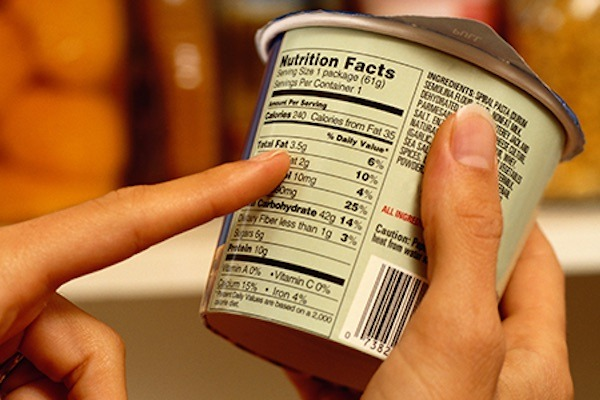
An important aspect of food safety is proper labeling. Food safety labelling regulations ensure that consumers receive accurate and essential information about food products.
Key elements of labeling include:
- Product name
- Ingredient list
- Nutritional information
- Expiry date
- Storage instructions
- Allergen information
Compliance with food safety labelling regulations not only protects consumers but also helps businesses avoid legal issues and maintain transparency.
Steps to Implement a Food Safety Management System
Implementing a food safety management system requires careful planning and execution. Here are the key steps:
Step 1: Conduct a Risk Assessment
Identify potential hazards in your operations and evaluate their impact.
Step 2: Develop Policies and Procedures
Create clear guidelines for handling, processing, and storing food.
Step 3: Establish Control Measures
Define critical control points and set limits to manage risks.
Step 4: Train Employees
Ensure that all staff members understand food safety practices and their roles.
Step 5: Monitor and Record
Track processes regularly and maintain records for verification.
Step 6: Review and Improve
Continuously evaluate the system and make necessary improvements.
Following these steps helps businesses build a robust food safety management system.
Benefits of Food Safety Management System
A well-implemented food safety management system provides numerous benefits:
Enhanced Food Safety
Reduces the risk of contamination and ensures safe consumption.
Improved Efficiency
Streamlined processes lead to better productivity and reduced waste.
Regulatory Compliance
Helps businesses meet legal requirements, including food safety labelling regulations.
Customer Satisfaction
High-quality products increase customer trust and loyalty.
Market Expansion
Compliance with international standards enables businesses to enter global markets.
Challenges in Implementation
While the benefits are significant, businesses may face challenges such as:
- High initial investment
- Lack of trained personnel
- Complex regulatory requirements
- Continuous monitoring and documentation
However, these challenges can be overcome with proper planning, training, and commitment.
Best Practices for Maintaining Food Safety
To ensure the effectiveness of a food safety management system, businesses should follow these best practices:
Maintain Clean Facilities
Ensure proper sanitation and hygiene at all times.
Use Quality Raw Materials
Source ingredients from reliable suppliers.
Follow Proper Storage Conditions
Maintain appropriate temperature and humidity levels.
Conduct Regular Audits
Identify and address potential issues through inspections.
Stay Updated with Regulations
Keep track of changes in food safety labelling regulations and other standards.
Integration with HACCP and Other Standards
A food safety management system often integrates with HACCP (Hazard Analysis and Critical Control Points) and international standards such as ISO 22000. These frameworks enhance the system’s effectiveness by providing structured approaches to risk management.
Combining these systems ensures comprehensive coverage of all food safety aspects, from production to labeling.
Importance for Small and Medium Enterprises
Small and medium-sized enterprises (SMEs) play a vital role in the food industry. Implementing a food safety management system helps them compete with larger organizations by ensuring quality and compliance.
By following food safety labelling regulations, SMEs can build credibility and gain consumer trust, which is essential for growth.
Future Trends in Food Safety Management
The future of food safety is being shaped by innovation and technology. Key trends include:
Digital Monitoring Systems
Real-time tracking of food safety parameters.
Automation
Reducing human error and improving efficiency.
Sustainable Practices
Eco-friendly processes and packaging solutions.
Increased Consumer Awareness
Demand for transparency and safe products.
These trends highlight the evolving nature of the food safety management system and the need for continuous improvement.
Conclusion
A food safety management system is essential for businesses that aim to deliver safe, high-quality food products. By implementing structured processes and adhering to food safety labelling regulations, companies can ensure compliance, protect consumers, and enhance their brand reputation.
From improving efficiency to enabling global expansion, the benefits of a well-designed system are significant. Organizations like FICSI play a crucial role in promoting awareness, training, and skill development in food safety practices. By adopting these systems and staying updated with evolving standards, businesses can contribute to a safer and more sustainable food industry.