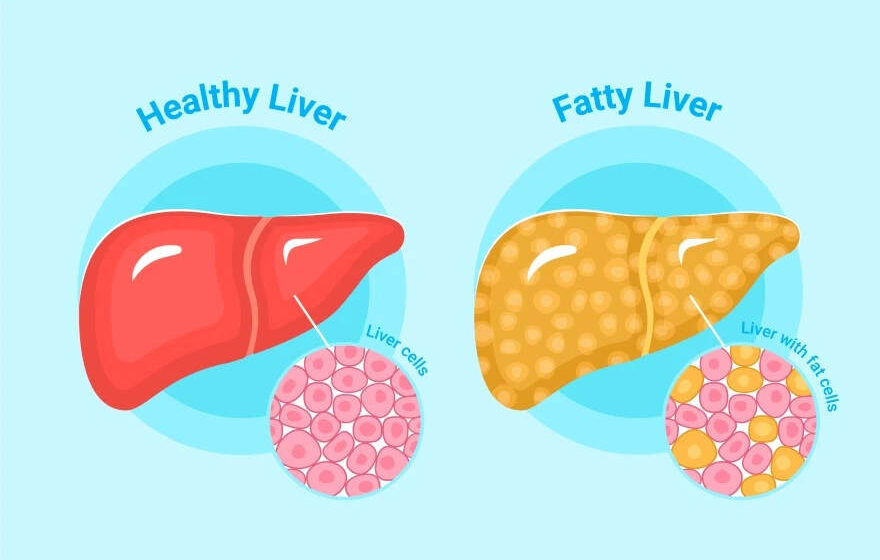

The liver is one of the most important organs in the body. It helps in digestion, removes toxins, and supports overall health. However, many people today are facing liver-related problems due to unhealthy lifestyle habits.
In recent years, fatty liver disease has become very common among adults and even younger individuals. It often develops silently, without clear symptoms in the early stages.
Understanding fatty liver treatment is very important for managing the condition and preventing serious complications in the future.
What Is Fatty Liver Disease?
Fatty liver disease happens when too much fat builds up in the liver. A small amount of fat in the liver is normal, but when it becomes excessive, it can affect liver function.
There are two main types of fatty liver disease:
1. Non-Alcoholic Fatty Liver Disease (NAFLD)
This type is not related to alcohol use. It is usually caused by:
- Poor diet
- Obesity
- Diabetes
- High cholesterol
2. Alcoholic Fatty Liver Disease
This type occurs due to heavy alcohol consumption over time.
If not treated early, fatty liver can progress to more serious conditions like inflammation, liver damage, or even liver failure.
Common Causes of Fatty Liver
Understanding the causes can help in choosing the right treatment approach. Some common causes include:
- Unhealthy eating habits (high sugar and fat intake)
- Lack of physical activity
- Obesity or being overweight
- Type 2 diabetes
- High cholesterol levels
- Excessive alcohol consumption
- Certain medications
In many cases, fatty liver is linked to lifestyle factors, which means it can often be improved with the right changes.
Symptoms of Fatty Liver
Fatty liver disease is often called a “silent condition” because it may not show symptoms in the early stages. However, as the condition progresses, some people may experience:
- Fatigue or tiredness
- Mild pain or discomfort in the upper right abdomen
- Unexplained weight loss
- Weakness
- Loss of appetite
In advanced stages, symptoms may become more serious, such as:
- Yellowing of skin and eyes (jaundice)
- Swelling in the abdomen
- Confusion or difficulty thinking
If you notice any of these symptoms, it is important to consult a doctor for proper evaluation.
How Is Fatty Liver Diagnosed?
Doctors use different methods to diagnose fatty liver. These include:
1. Blood Tests
These help check liver function and detect any abnormalities.
2. Imaging Tests
- Ultrasound
- CT scan
- MRI
These tests can show the presence of fat in the liver.
3. Liver Biopsy
In some cases, a small sample of liver tissue is taken to understand the severity of the condition.
Early diagnosis plays a key role in effective fatty liver treatment.
Effective Fatty Liver Treatment Approaches
There is no single medicine that can completely cure fatty liver. However, the condition can be managed and even reversed with proper care and lifestyle changes.
Here are the most effective treatment approaches:
1. Healthy Diet Changes
Diet is one of the most important parts of treatment.
What to Eat:
- Fresh fruits and vegetables
- Whole grains like oats and brown rice
- Lean proteins (fish, chicken, legumes)
- Healthy fats (nuts, seeds, olive oil)
What to Avoid:
- Sugary foods and drinks
- Fried and processed foods
- White bread and refined carbs
- Excess salt
A balanced diet helps reduce fat in the liver and improves overall health.
2. Regular Physical Activity
Exercise helps burn fat and improves liver function.
- Aim for at least 30 minutes of exercise daily
- Activities like walking, jogging, cycling, or yoga are helpful
- Strength training can also improve metabolism
Even small steps like walking more or taking stairs can make a big difference.
3. Weight Management
If you are overweight, losing even 5–10% of your body weight can significantly improve liver health.
- Avoid crash diets
- Focus on gradual and steady weight loss
- Combine diet and exercise for best results
Healthy weight loss reduces fat accumulation in the liver.
4. Control Blood Sugar Levels
People with diabetes are at higher risk of fatty liver.
- Monitor blood sugar regularly
- Follow a diabetic-friendly diet
- Take medications as prescribed
Managing diabetes can help control liver fat levels.
5. Reduce Cholesterol Levels
High cholesterol can worsen fatty liver.
- Avoid saturated fats
- Include fiber-rich foods
- Take prescribed medications if needed
Lowering cholesterol supports better liver function.
6. Avoid Alcohol
If you have fatty liver, it is best to avoid alcohol completely.
Even small amounts can worsen liver damage and slow down recovery.
7. Medications (If Required)
In some cases, doctors may prescribe medications to manage related conditions such as:
- Diabetes
- High cholesterol
- Liver inflammation
However, lifestyle changes remain the main focus of fatty liver treatment.
8. Regular Medical Check-Ups
Routine monitoring helps track progress and prevent complications.
- Follow-up blood tests
- Imaging tests if required
- Doctor consultations
Regular check-ups ensure that the condition is under control.
Role of Lifestyle in Long-Term Liver Health
Fatty liver is strongly connected to daily habits. Making long-term lifestyle changes is the key to recovery.
Healthy Habits to Follow:
- Eat meals on time
- Stay hydrated
- Get enough sleep
- Manage stress through relaxation techniques
Consistency is more important than perfection. Small, regular efforts lead to better results over time.
Can Fatty Liver Be Reversed?
Yes, fatty liver can often be reversed, especially in the early stages.
With the right approach:
- Fat accumulation can be reduced
- Liver function can improve
- Risk of complications can be lowered
However, ignoring the condition can lead to serious problems such as:
- Liver inflammation (steatohepatitis)
- Liver fibrosis (scarring)
- Cirrhosis
- Liver failure
This is why early action is very important.
Foods That Support Liver Health
Certain foods are especially beneficial for the liver:
- Green leafy vegetables (spinach, kale)
- Garlic
- Green tea
- Avocados
- Nuts
- Fatty fish (rich in omega-3)
Including these foods in your daily diet can support liver repair and function.
Foods to Avoid for Fatty Liver
To improve liver health, try to avoid:
- Sugary drinks (soft drinks, packaged juices)
- Fast food
- Fried snacks
- Processed meat
- Excess bakery items
Reducing these foods helps prevent further fat buildup in the liver.
Importance of Early Intervention
Many people ignore fatty liver because it does not cause immediate symptoms. However, early intervention can prevent long-term damage.
Taking action early:
- Improves recovery chances
- Reduces health risks
- Enhances overall well-being
Even simple lifestyle changes can have a powerful impact.
Mental and Emotional Health Matters Too
Managing fatty liver is not only about physical health. Mental well-being also plays an important role.
- Stress can affect eating habits and lifestyle
- Emotional eating can lead to weight gain
- Anxiety may reduce motivation for exercise
Practices like meditation, deep breathing, and mindfulness can help maintain balance.
When Should You See a Doctor?
You should consult a doctor if:
- You feel persistent fatigue
- You have risk factors like obesity or diabetes
- Your blood tests show abnormal liver function
- You experience abdominal discomfort
Early medical advice ensures proper diagnosis and treatment planning.
Conclusion
Fatty liver disease is becoming increasingly common, but the good news is that it can be managed effectively with the right approach. Simple lifestyle changes such as a healthy diet, regular exercise, weight control, and avoiding alcohol can significantly improve liver health.
Understanding the importance of fatty liver treatment in dubai and taking early action can prevent serious complications in the future. Consistency, awareness, and proper medical guidance are key to long-term recovery.
For those looking for expert care and personalized guidance, consulting a qualified specialist like Dr. Neil Philip Galletly can help in creating a structured and effective treatment plan tailored to individual needs.