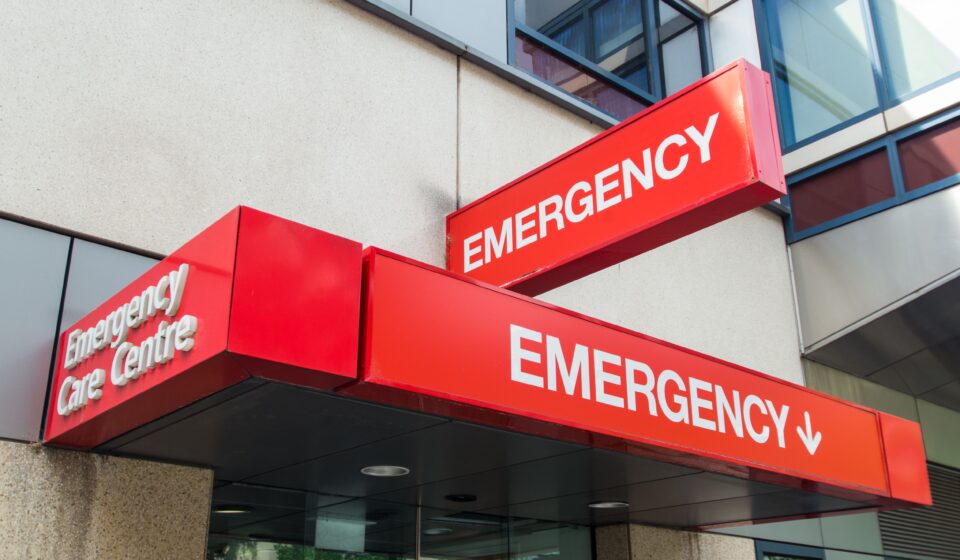

When most people think about hospital careers, doctors and nurses are usually the first — and often only — roles that come to mind. In reality, a modern hospital functions like a complex ecosystem made up of dozens of specialised roles, many of which never involve direct patient contact but are essential to keeping the institution running, compliant, and clinically effective. Understanding the different types of hospital roles is useful not just for students planning a healthcare career, but also for anyone trying to make sense of how large hospitals actually operate.
Clinical Roles: The Frontline of Patient Care
The most visible category consists of clinical roles — professionals directly involved in diagnosing, treating, and caring for patients.
Physicians and surgeons sit at the top of this category, spanning general practitioners, internal medicine specialists, surgeons across various sub-specialities, and consultants attached to specific departments like cardiology, orthopaedics, or oncology.
Nurses form the backbone of day-to-day patient care, with further specialisation into ICU nurses, operation theatre nurses, paediatric nurses, and nurse practitioners who can handle a broader scope of clinical decisions in many healthcare systems.
Allied health professionals include physiotherapists, occupational therapists, speech therapists, dietitians, and respiratory therapists — each addressing a specific dimension of patient recovery and rehabilitation.
Diagnostic and technical staff such as radiologists, radiographers, pathologists, and laboratory technologists generate the test results and imaging that clinicians rely on for accurate diagnosis.
Pharmacists, both hospital-based and clinical pharmacists embedded in treatment teams, manage medication safety, dosing.
Administrative and Managerial Roles
Behind every functioning hospital is a layer of administrative talent that most patients never interact with directly.
Hospital administrators and healthcare managers oversee operations, budgets, staffing, regulatory compliance, and strategic planning. This role often requires a background in hospital administration or healthcare management rather than a clinical degree.
Medical records and health information managers ensure patient data is accurately captured, stored securely, and compliant with data protection regulations — an increasingly important function as hospitals digitise records.
Human resources and quality assurance teams handle staffing, training, accreditation processes, and the ongoing audits that keep a hospital compliant with health authority standards.
Research and Data-Focused Roles: The Rise of the Biostatistician
One of the least understood but increasingly critical roles within a hospital or affiliated research setting is that of the specialist who is expert in biostatistician work. As hospitals expand their involvement in clinical research, medicine trials, and outcome-based medicine, the demand for professionals who can translate raw patient and trial data into statistically valid insights has grown sharply.
A biostatistician applies statistical methods to biological, medical, and public health data. Their day-to-day work can include designing clinical trials so that results are statistically meaningful, analysing patient outcome data to identify trends in treatment effectiveness, working alongside epidemiologists to study disease patterns, and supporting pharmaceutical research by evaluating the safety and efficacy of new medicines or interventions before they proceed to further trial phases.
This role typically requires a strong foundation in statistics or biostatistics, often at the postgraduate level, combined with familiarity in tools such as R, SAS, or Python for data analysis. Many biostatisticians hold degrees in statistics, mathematics, epidemiology, or public health, and increasingly work in close collaboration with data scientists and health informatics specialists.
What makes the biostatistician role distinctive is that it sits at the intersection of hospital operations, academic research, and pharmaceutical development. A large teaching hospital, for instance, might employ biostatisticians to support faculty research, while a hospital network running its own outcome-tracking programs might use them to evaluate whether a new surgical protocol actually improves recovery times compared to the older approach.
Public Health and Preventive Care Roles
Hospitals with a broader community health mandate also employ epidemiologists, who study disease outbreaks and patterns at a population level, and public health specialists, who design preventive care initiatives, vaccination drives, and health education programs. These roles often overlap with biostatistics work but focus more on population-level interventions than individual patient data analysis.
Support and Facility Roles
No hospital can function without an extensive support layer. Facility and biomedical engineering teams maintain and calibrate medical equipment, ensuring diagnostic machines and life-support systems operate safely. Infection control specialists monitor and enforce hygiene protocols to prevent hospital-acquired infections. Dietary and nutrition services manage patient meal planning based on medical requirements. IT and health informatics teams maintain electronic health record systems, cybersecurity, and the growing suite of digital tools hospitals rely on.
Emerging and Hybrid Roles
As healthcare becomes more data-driven and technology-integrated, new hybrid roles are emerging that blend clinical knowledge with technical or analytical skill sets. Clinical data managers oversee the accuracy and integrity of data collected during trials or patient studies. Health economists evaluate the cost-effectiveness of treatments and hospital programs. Telemedicine coordinators manage the logistics of remote consultations, a category that has expanded significantly since hospitals adopted virtual care models more widely.
Why Understanding These Roles Matters
For students choosing a healthcare career path, recognising the sheer diversity of hospital roles opens up options beyond the traditional doctor-or-nurse binary. A student strong in mathematics and statistics but less inclined toward direct clinical practice might find biostatistics a natural fit, combining a genuine interest in medicine with quantitative skill. Similarly, someone interested in operations and systems thinking might be far better suited to hospital administration than bedside care.
For hospitals themselves, having a well-rounded mix of clinical, administrative, research, and support roles is what allows large institutions to deliver consistent, safe, and continuously improving care. The biostatistician, in particular, has become indispensable as hospitals shift toward evidence-based and outcome-driven medicine, where decisions are increasingly guided by rigorous data analysis rather than intuition alone.
Conclusion
The modern hospital is far more than a collection of doctors and nurses — it is a layered organisation built on clinical expertise, administrative discipline, technical support, and increasingly, data science. Roles like the biostatistician illustrate how healthcare careers are diversifying to meet the demands of a system that now runs as much on data as it does on diagnosis. Anyone exploring a career in this space benefits from looking beyond the obvious roles and understanding the full spectrum of what keeps a hospital functioning.