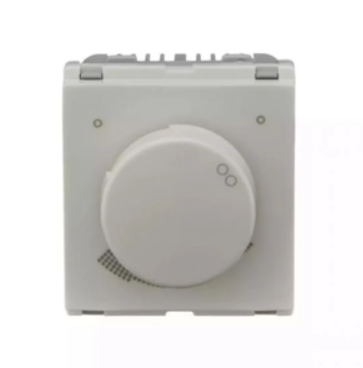

Reliable power safety is a fundamental requirement in modern electrical systems, whether in residential buildings, commercial facilities, or industrial environments. Electrical faults, overloads, and short circuits can cause equipment damage, operational disruptions, and serious safety hazards if not properly managed. This is where power protection systems play a crucial role. Various electrical components work together to ensure safe power distribution, fault isolation, and system reliability. Understanding the essential components involved in electrical protection helps users make informed decisions and maintain secure electrical infrastructure. Effective protection systems contribute significantly to operational efficiency and long-term electrical safety.
Understanding the Role of Power Protection Systems
Electrical networks are designed to deliver power efficiently while maintaining safety under varying operating conditions. Protection systems are responsible for detecting faults and isolating affected sections before damage occurs.
One of the most important elements in this process is switchgear, which serves as the backbone of electrical protection and control systems. It enables operators to manage power flow, disconnect faulty circuits, and maintain safe operating conditions across electrical installations.
Without proper protection equipment, even minor electrical issues can escalate into major operational and safety concerns.
Why Reliable Power Safety Matters
Power safety extends beyond preventing outages. It helps protect people, equipment, and infrastructure from the risks associated with electrical faults.
- Protection of Personnel
Electrical accidents can lead to severe injuries. Proper safety systems reduce exposure to dangerous conditions and help create safer working environments.
- Equipment Protection
Electrical equipment represents a significant investment. Effective protection minimizes damage caused by overloads, short circuits, and other abnormal conditions.
- Operational Continuity
Reliable protection systems reduce downtime and help ensure uninterrupted operations across facilities.
These benefits highlight the importance of selecting appropriate protection components for every installation.
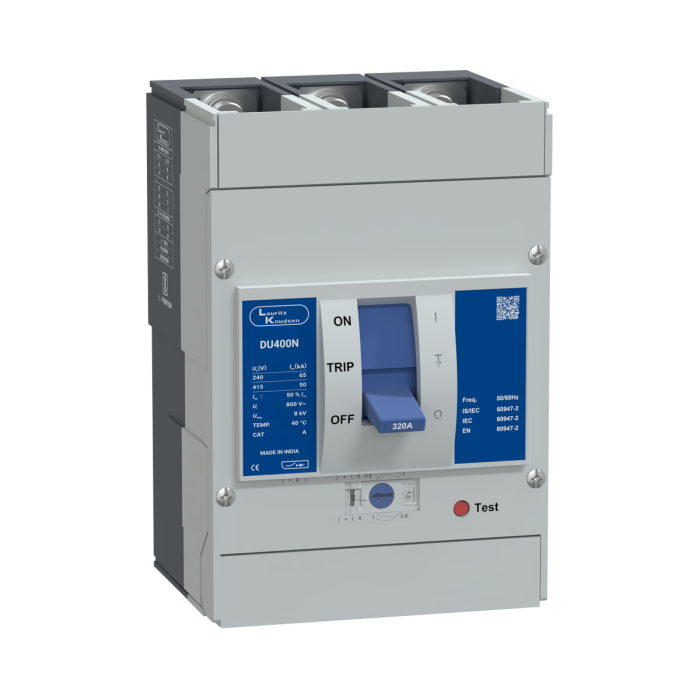
Circuit Breakers: The First Line of Defense
Circuit breakers are among the most critical protection devices in electrical systems.
- Overload Protection
Circuit breakers automatically disconnect circuits when excessive current is detected.
- Short-Circuit Protection
They respond rapidly to fault conditions, limiting damage and reducing safety risks.
- Ease of Maintenance
Unlike traditional fuse systems, circuit breakers can typically be reset after faults are resolved.
As a key component of switchgear, circuit breakers provide essential protection and contribute significantly to system reliability.
Disconnectors and Isolation Devices
Isolation devices are designed to disconnect sections of an electrical system for maintenance and safety purposes.
- Safe Maintenance Procedures
These devices allow technicians to work on equipment without exposure to live electrical circuits.
- Fault Isolation
Isolation switches help separate faulty components from the rest of the network.
- Improved System Flexibility
Operators can safely manage maintenance activities while minimizing disruptions to ongoing operations.
Proper isolation capabilities are fundamental to maintaining a safe electrical environment.
Protection Relays and Monitoring Systems
Modern electrical installations often incorporate intelligent monitoring and protection systems.
- Fault Detection
Protection relays continuously monitor electrical parameters and detect abnormal conditions.
- Fast Response
When a fault occurs, relays initiate breaker operations to isolate the affected section.
- Enhanced Reliability
Advanced monitoring systems provide real-time insights into network performance and equipment health.
These technologies improve overall protection effectiveness and support proactive maintenance strategies.
Control Panels and Distribution Systems
Control panels serve as central hubs for managing electrical power distribution.
- Organized Power Management
Panels house critical components that regulate power flow and protection functions.
- Simplified Troubleshooting
Clearly organized systems make fault identification and maintenance more efficient.
- Enhanced Safety
Properly designed control panels help reduce the risk of accidental contact with energized components.
Many modern installations integrate switchgear solutions within distribution systems to improve operational control and safety.
Surge Protection Devices
Electrical systems are vulnerable to voltage spikes caused by lightning strikes, switching operations, and utility disturbances.
- Equipment Protection
Surge protection devices help shield sensitive equipment from transient overvoltages.
- Reduced Downtime
Preventing surge-related damage supports uninterrupted operation.
- Extended Equipment Life
Minimizing electrical stress contributes to longer service life for connected devices.
Surge protection is an essential component of a comprehensive power safety strategy.
Transformers and Voltage Control Equipment
Transformers play a critical role in adjusting voltage levels for safe and efficient power distribution.
- Voltage Regulation
Transformers help maintain appropriate voltage levels throughout electrical networks.
- System Stability
Consistent voltage improves equipment performance and operational reliability.
- Improved Energy Efficiency
Proper voltage management helps reduce losses and optimize system performance.
When integrated with protective devices, transformers contribute to a safer and more efficient electrical infrastructure.
The Importance of Component Quality
The reliability of electrical protection systems depends heavily on the quality of individual components.
- Durability
High-quality components are designed to withstand demanding operating conditions.
- Consistent Performance
Reliable products maintain their protective capabilities over extended periods.
- Reduced Maintenance Requirements
Durable equipment often requires fewer repairs and replacements, lowering overall lifecycle costs.
Investing in dependable protection components enhances both safety and operational efficiency.
Understanding Cost Considerations
When evaluating electrical components, buyers often compare features, durability, and overall value.
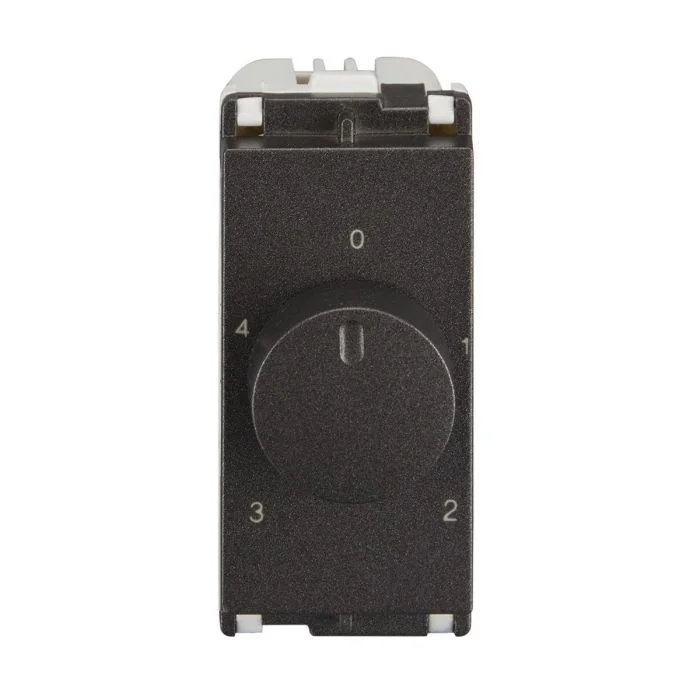
For example, consumers researching the fan regulator price may discover that costs vary depending on design, technology, safety features, and material quality. Similar principles apply when selecting protection equipment, where pricing is influenced by performance capabilities and reliability requirements.
Focusing solely on initial cost may overlook important factors such as long-term durability and maintenance savings.
Maintenance of Electrical Protection Systems
Even the most advanced protection systems require regular maintenance to ensure continued performance.
- Routine Inspections
Visual inspections help identify wear, corrosion, and other potential issues.
- Functional Testing
Testing confirms that protective devices respond correctly under fault conditions.
- Thermal Monitoring
Thermal imaging can reveal overheating components before failures occur.
A structured maintenance program supports long-term reliability and improves overall system safety.
The Relationship Between Safety and Efficiency
Safety and efficiency are closely connected in modern electrical systems.
- Reduced Energy Losses
Properly functioning protection equipment helps maintain efficient power flow.
- Lower Downtime
Reliable protection minimizes disruptions caused by faults and equipment failures.
- Improved Asset Utilization
Efficient systems maximize the performance of installed electrical infrastructure.
Whether evaluating advanced protection equipment or comparing the fan regulator price for building applications, understanding value and performance remains essential for making informed decisions.
Emerging Trends in Electrical Protection
Technological advancements continue to shape the future of electrical safety.
- Smart Monitoring
Connected devices provide real-time system insights and performance analytics.
- Predictive Maintenance
Data-driven technologies help identify potential failures before they occur.
- Remote Diagnostics
Operators can monitor and manage electrical systems from centralized locations.
- Enhanced Automation
Automated protection systems improve response times and overall reliability.
As these technologies continue to evolve, electrical safety systems will become increasingly intelligent and efficient.
Evaluating the fan regulator price alongside broader electrical infrastructure considerations demonstrates the growing importance of balancing performance, efficiency, and long-term value across modern installations.
Conclusion
Reliable power safety depends on the effective integration of essential electrical protection components, including circuit breakers, relays, transformers, surge protection devices, and isolation equipment. Together, these systems help prevent electrical faults, protect valuable assets, and ensure uninterrupted operations. As electrical infrastructure becomes more advanced, the importance of dependable protection solutions continues to grow. Organizations and property owners that invest in quality equipment and regular maintenance can achieve greater safety, efficiency, and reliability. With decades of expertise in electrical and automation solutions, Lauritz Knudsen Smartshop continues to support diverse sectors through innovative technologies that contribute to secure and future-ready electrical systems.