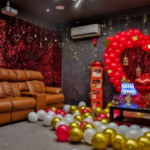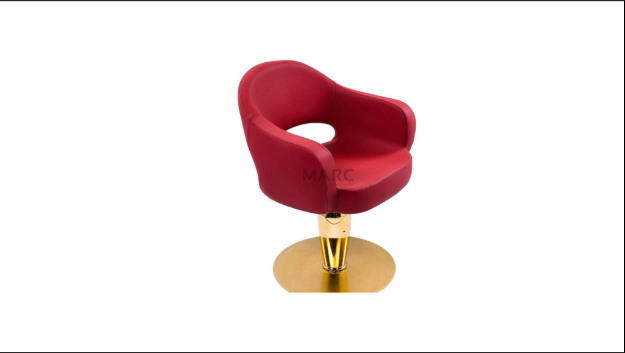

A modern beauty business is no longer defined only by services; it is equally defined by the environment in which those services are delivered. Thoughtfully planned interiors and beauty parlor furniture design play a major role in shaping client perception, improving workflow efficiency, and ensuring long-term operational comfort. Every piece of furniture contributes to how smoothly a salon functions, from the moment a client enters to the final service experience.
In today’s competitive beauty industry, furniture planning is directly linked with productivity, service quality, and brand positioning, making it a critical part of salon setup strategy.
Reception Area: The Foundation of Client Experience
The reception space sets the tone for the entire salon experience. It is where first impressions are formed, making it essential to design this area with clarity, structure, and comfort in mind.
Key Elements of Reception Design
- Reception counter with organized storage
- Comfortable seating arrangement
- Product display or branding units
- Clear movement space for staff and clients
A well-structured reception area not only improves customer handling but also reflects professionalism and operational discipline.
Styling Stations: The Operational Core of a Salon
Styling stations are where most of the daily services take place, making them the backbone of salon operations. These units must support efficiency, accessibility, and organization.
Important Features of Styling Units
- Large mirrors for precision work
- Built-in storage drawers
- Heat tool holders
- Adequate lighting integration
Proper spacing between stations ensures smooth movement of professionals, reducing delays and improving overall service flow.
Hair Wash Area: Comfort Meets Functionality
The hair wash zone requires a combination of ergonomic design and water-resistant construction. It is one of the most sensitive areas in terms of both client comfort and operational hygiene.
Essential Design Considerations
- Reclining wash chairs with neck support
- Adjustable basin height and angles
- Anti-slip flooring compatibility
- Easy-clean surfaces
These elements ensure that both clients and professionals experience comfort during extended service sessions.
Nail Care Sections: Precision-Driven Workspaces
Manicure and pedicure zones require specialized furniture designed for accuracy and relaxation. These spaces must balance comfort with functionality.
Core Components
- Dedicated manicure tables with hand rests
- Foot spa chairs with ergonomic support
- Tool storage compartments
- Proper lighting for detailing work
Such setups improve precision and enhance the overall customer experience during long-duration treatments.
Waiting Lounge: Enhancing Customer Perception
Waiting areas influence how clients perceive the overall service quality of a salon. A well-designed lounge improves comfort and reduces perceived waiting time.
Comfortable seating, clean layouts, and subtle décor elements help create a calm environment. This space also serves as an opportunity for brand communication through product displays or service information.
Workflow Optimization Through Layout Planning
Efficient salon operations depend heavily on how furniture is arranged within the space. A poorly planned layout can disrupt workflow and reduce productivity.
This is where salon and beauty furniture becomes essential in creating structured environments that support smooth movement, logical service sequencing, and better time management across multiple clients.
Storage Systems: Maintaining Clean and Organized Spaces
Storage is a crucial part of maintaining hygiene and efficiency in any professional beauty setup. Proper storage systems ensure that tools and products are easily accessible while keeping workstations clutter-free.
Storage Solutions Include
- Wall-mounted cabinets
- Mobile trolleys
- Closed storage units
- Tool organization trays
A clean workspace directly enhances professionalism and client trust.
Lighting Integration in Furniture Design
Lighting plays a vital role in beauty services, especially in makeup, hair styling, and skincare treatments. Furniture designed with integrated lighting systems improves visibility and precision.
LED mirrors and focused lighting setups ensure that professionals can deliver consistent results regardless of external lighting conditions, improving service accuracy and client satisfaction.
Durability and Material Engineering in Salon Furniture
Salon environments and beauty parlor furniture design require that it can withstand constant use, chemical exposure, and frequent cleaning. Materials such as engineered wood, stainless steel frames, and high-grade upholstery are commonly used.
Durability ensures long-term performance while maintaining visual appeal, reducing the need for frequent replacements and repairs.
Ergonomic Importance for Professionals
Salon professionals often work long hours, making ergonomic furniture essential for reducing fatigue and improving efficiency. Adjustable chairs, supportive stools, and height-optimized stations contribute to better posture and reduced strain. Comfortable working conditions directly improve service quality and consistency.
Customization and Modern Salon Expectations
Modern salons increasingly demand flexible and customizable furniture solutions that align with branding and service requirements. Modular systems allow easy adaptation as business needs evolve.
This growing demand has also increased the importance of specialized manufacturing expertise, especially from designer chair manufacturers who focus on combining aesthetics with functional salon requirements.
Technology Integration in Modern Salon Furniture
New-age salon furniture is increasingly being designed with technology integration in mind. Features such as USB charging ports, smart mirrors, and modular lighting systems are becoming more common in advanced salon setups.
These additions improve convenience for both clients and professionals while enhancing the overall service experience.
Space Planning and Client Flow Management
An often overlooked but crucial aspect of salon setup is spatial flow management. Proper zoning ensures that different service areas do not overlap or create congestion. A well-structured layout improves privacy, reduces noise interference, and enhances overall operational efficiency.
Strategic placement of styling stations near storage units, wash areas in dedicated wet zones, and reception near entry points ensures seamless movement. This thoughtful arrangement helps maintain a smooth service cycle, allowing multiple clients to be handled efficiently without disruption.
Conclusion: Building a Professional and Efficient Salon Environment
A successful beauty parlor setup depends on carefully planned furniture that balances comfort, efficiency, and durability. Each area, from reception to styling and treatment zones, plays a role in shaping the overall client experience and operational flow. Strong planning in furniture selection ensures better workflow, improved hygiene, and higher customer satisfaction, making it a core part of salon business strategy.
If you are looking for designer chair manufacturers, MARC Salon Furniture focuses on structured salon furniture solutions that support professional beauty environments with practical layouts, durable materials, and functional design. The company emphasizes usability-driven manufacturing approaches that help salons maintain efficiency, organization, and long-term operational stability across diverse service setups. Learn more effective blogs.