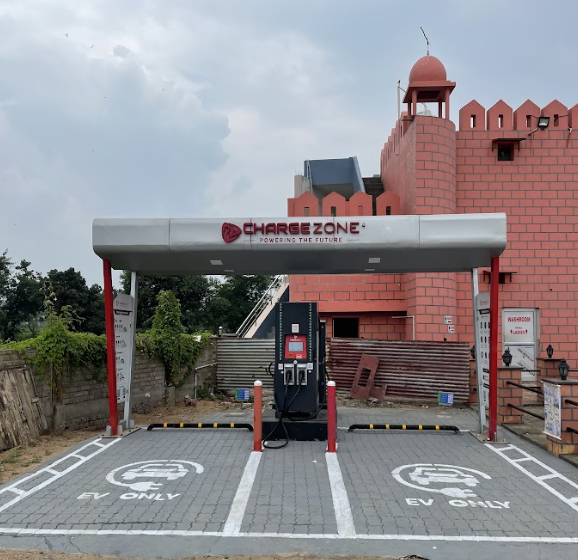

Electric Charging Infrastructure and Electric Car Charging Station Franchise: Exploring Different Use Cases
The rapid growth of electric mobility is creating demand for convenient, reliable, and accessible charging solutions. Charging facilities are no longer limited to individual homes; they can support workplaces, commercial properties, travel routes, residential communities, and fleet operations. Well-planned electric charging infrastructure can help different types of EV users access charging according to their travel and parking patterns. At the same time, an electric car charging station franchise can provide entrepreneurs with an opportunity to participate in the expanding EV ecosystem. This article explores the different practical uses of charging infrastructure and franchise-based charging facilities.
Supporting Everyday Electric Vehicle Use
One of the most important applications of electric charging infrastructure is supporting the everyday needs of EV owners. Drivers need convenient charging locations that fit naturally into their routines, whether they are commuting to work, visiting a commercial area, or travelling between cities.
Charging facilities can be developed in locations such as:
- Residential parking areas
- Office complexes
- Shopping destinations
- Public parking facilities
- Travel routes
- Fleet operating locations
The ideal location depends on how long vehicles typically remain parked and how frequently charging is required.
Workplace Charging
Workplaces can provide charging facilities for employees who use electric vehicles for their daily commute. Since vehicles may remain parked for several hours during the working day, charging can take place without requiring an additional dedicated stop.
Common Workplace Applications
Workplace charging can support:
- Employee vehicles
- Visitor vehicles
- Company vehicles
- Shared electric vehicles
- Fleet vehicles operating from the premises
This can make charging a practical part of the workplace environment while giving EV users another option for maintaining their vehicle’s charge.
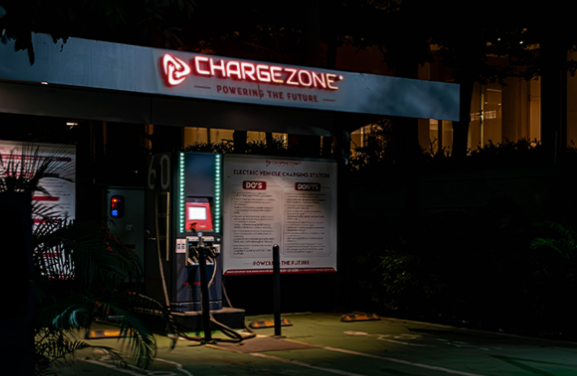
Residential Communities
Apartment buildings and residential communities can also benefit from organized charging facilities. As more residents adopt electric vehicles, shared parking areas may need suitable charging arrangements.
A residential charging setup can be designed around factors such as:
- Number of EV users
- Available parking spaces
- Electrical capacity
- Charging requirements
- Parking duration
- Access management
Residents who regularly park overnight can use these facilities as part of their normal routine. This can reduce the need to travel elsewhere specifically for charging.
Supporting Commercial Properties
Commercial properties can use charging facilities to provide an additional service to customers, employees, and visitors. Shopping areas, offices, hospitality properties, and other destinations can incorporate charging into their existing parking facilities.
The main use case is destination charging. A driver can connect an EV while spending time at the location.
For example, charging can take place while a user:
- Shops
- Works
- Attends an appointment
- Eats a meal
- Completes an activity
This approach connects charging with activities that users are already planning to undertake.
Long-Distance Travel
EV drivers travelling longer distances require charging opportunities along their journeys. Charging facilities positioned at suitable travel locations can help drivers recharge during planned stops.
High-traffic routes can benefit from strategically located charging points because users may need to replenish their vehicle’s charge before continuing their journey.
Useful Travel Locations
Charging facilities can be considered near:
- Major travel routes
- Rest areas
- Parking facilities
- Tourist destinations
- Commercial hubs
The required charging technology can vary according to how long vehicles are expected to remain at each location.
Creating Opportunities for Entrepreneurs
The expansion of EV charging demand is also creating opportunities for entrepreneurs. An electric car charging station franchise can provide a structured approach for individuals interested in operating charging facilities.
Instead of developing every part of a charging business independently, a franchise model may provide support across different areas of the operation.
Depending on the specific business model, these areas may include:
1. Infrastructure Support
The charging facility may require equipment, electrical connections, installation, and supporting systems.
2. Technology Support
Digital tools can help manage charging activity, monitor equipment, and provide operational information.
3. Business Operations
A structured model may offer guidance related to operating the charging facility and serving EV users.
4. Location Planning
Selecting an accessible and suitable location is an important part of establishing a charging facility.
Supporting Commercial Fleets
Electric fleet operators may have different charging requirements compared with individual EV owners. Commercial vehicles can travel frequently and may need to recharge according to strict operating schedules.
Charging facilities can support fleet operations by allowing vehicles to recharge between trips or during planned downtime.
A fleet charging strategy can consider:
- Number of vehicles
- Daily travel distance
- Vehicle departure times
- Available charging duration
- Required charging capacity
- Operational schedules
Organized charging can help businesses integrate EVs into regular transportation operations.
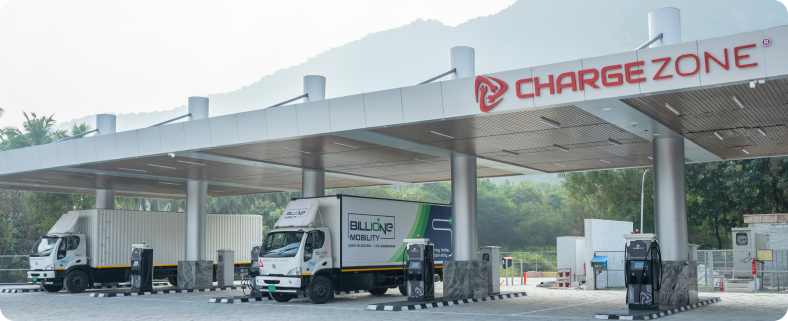
Building a Public Charging Network
Public charging facilities are important for drivers who do not have convenient access to private charging. They can also serve people travelling outside their normal routes.
A broader electric charging infrastructure network can provide multiple charging options across different locations, helping users find suitable facilities when they are away from home.
Public charging can be useful for:
- Daily commuters
- Intercity travellers
- Commercial drivers
- Visitors
- Fleet operators
- Occasional EV users
A connected network can make charging more accessible across different travel patterns.
Evaluating a Franchise Location
For entrepreneurs considering an electric car charging station franchise, location selection is a key part of planning. A charging facility needs to be accessible while also having sufficient potential demand.
Several factors can be evaluated before establishing a location.
1. Traffic and Demand
The number and type of vehicles using an area can influence potential charging demand.
2. Accessibility
Drivers should be able to enter, use, and leave the charging facility conveniently.
3. Parking Space
Adequate space is required for safe vehicle movement and charging operations.
4. Electrical Availability
The existing electrical infrastructure should be assessed according to the planned charging equipment.
5. Surrounding Facilities
Nearby residential areas, workplaces, commercial properties, and travel routes may influence how frequently the facility is used.
Supporting Different Charging Requirements
Not every EV user requires the same type of charging. Some drivers may have several hours available, while others may need faster charging during a short stop.
Therefore, charging facilities can be planned according to different use cases.
| User | Possible Requirement |
| Residential EV owner | Regular charging |
| Office employee | Charging during work |
| Shopper | Destination charging |
| Long-distance traveller | Charging during a journey |
| Fleet operator | Scheduled charging |
| Public EV user | Convenient accessible charging |
Understanding these differences can help businesses and property owners create facilities that match actual user requirements.
Using Technology to Manage Charging
Modern charging facilities can combine physical equipment with digital systems. These systems can help operators monitor charger activity, understand usage patterns, and manage charging operations.
Users may also benefit from digital access to relevant information, depending on the available system.
Technology can support:
- Charger monitoring
- Usage tracking
- Session management
- Operational visibility
- Availability information
- Data analysis
These capabilities can make charging operations more organized and provide useful information for future planning.
Planning for Future EV Growth
As electric vehicle adoption develops, charging facilities will need to accommodate a broader range of users and applications. A well-planned electric charging infrastructure network can connect residential, commercial, workplace, public, and travel-related charging requirements.
For entrepreneurs, an electric car charging station franchise can be one route into this expanding sector. For property owners, charging can become an additional facility that supports customers, employees, residents, and visitors.
Future charging development will depend on factors such as vehicle adoption, charging demand, technology, location, electrical capacity, and user expectations.
Conclusion
The different uses of EV charging demonstrate the importance of flexible and accessible charging solutions. Electric charging infrastructure can support residential users, workplaces, commercial destinations, public travel, and electric fleets. Meanwhile, an electric car charging station franchise can offer entrepreneurs a structured opportunity to participate in the developing EV charging ecosystem. Successful charging facilities depend on suitable locations, appropriate technology, reliable operations, and an understanding of user requirements. ChargeZone supports India’s vision for a fully connected EV network through data and software solutions, helping advance electric mobility and power the future one charger at a time.