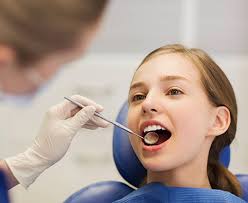

A child’s smile is one of their most valuable assets, and maintaining good oral health from an early age is essential for overall well-being. Many parents believe orthodontic care begins during the teenage years, but in reality, early orthodontic screening plays a crucial role in identifying and preventing dental issues before they become more serious. By evaluating a child’s dental development at the right time, parents and dental professionals can ensure proper growth, healthier teeth, and a confident smile in the future.
What Is Early Orthodontic Screening?
Understanding the Basics
Early orthodontic screening refers to the evaluation of a child’s teeth, jaw, and bite alignment at a young age, typically around 6 to 7 years old. At this stage, children usually have a mix of baby teeth and permanent teeth, making it easier for dental professionals to detect potential issues. Early Orthodontic Screening for Kids plays an important role in identifying these concerns at the right time, allowing for better planning and early intervention if needed.
Why Timing Matters
Screening at an early age allows orthodontists to observe how the teeth and jaws are developing. Identifying problems during this phase can help guide proper growth and reduce the need for complex treatments later in life.
Common Issues Detected Early
Misaligned Teeth
One of the most common concerns identified during early screening is misaligned or crowded teeth. Early detection allows for timely intervention, which can create enough space for incoming permanent teeth.
Bite Problems
Children may develop bite issues such as overbite, underbite, or crossbite. If left untreated, these problems can affect chewing, speech, and facial appearance.
Jaw Growth Irregularities
An imbalance in jaw growth can lead to long-term complications. Early screening helps in monitoring jaw development and correcting any irregular patterns before they worsen.
Benefits of Early Orthodontic Screening
Prevents Serious Dental Problems
Early identification of dental issues allows for preventive measures. This reduces the risk of severe complications that may require extensive treatment in the future. Broadway Family emphasizes the importance of timely detection to ensure children receive the right care before problems become more serious.
Reduces Treatment Time
When orthodontic problems are addressed early, the duration of treatment is often shorter. This means less discomfort and fewer visits to the dental clinic.
Saves Costs in the Long Run
Although early screening may seem like an additional expense, it can actually save money over time. Preventing complex dental issues eliminates the need for costly procedures later.
Improves Oral Function
Proper alignment of teeth and jaws enhances essential functions such as chewing, speaking, and breathing. Early intervention ensures these functions develop correctly.
Boosts Confidence
Children with well-aligned teeth are more likely to feel confident about their smiles. Early care can prevent self-esteem issues related to dental appearance.
Signs Your Child May Need Screening
Difficulty Chewing or Biting
If your child struggles with eating or complains about discomfort while chewing, it may indicate a bite problem.
Mouth Breathing
Consistent mouth breathing instead of nasal breathing can be a sign of underlying dental or jaw issues.
Thumb Sucking Beyond Early Years
Prolonged thumb sucking can affect the alignment of teeth and jaw development, making early screening essential.
Crowded or Misplaced Teeth
If teeth appear too close together or out of position, it’s a clear indication that an orthodontic evaluation is needed.
What to Expect During Screening
Initial Examination
The orthodontist will examine your child’s teeth, jaw alignment, and bite. This may include visual checks and simple imaging techniques.
Personalized Assessment
Every child is different, so the orthodontist will create a tailored plan based on your child’s specific needs. In some cases, immediate treatment may not be necessary, but regular monitoring will be recommended.
Guidance for Parents
Parents receive valuable advice on maintaining their child’s oral health, including tips on brushing, diet, and habits that may affect dental development.
Early Treatment Options
Space Maintainers
If a child loses a baby tooth too early, space maintainers can help keep the gap open for permanent teeth to grow properly.
Growth Modifiers
These devices guide the growth of the jaw, ensuring proper alignment and reducing the need for surgery later.
Limited Braces
In some cases, partial braces may be used to correct specific issues early, preventing them from becoming more severe.
The Role of Parents in Early Screening
Encouraging Good Oral Hygiene
Parents should teach children proper brushing and flossing habits from an early age to maintain healthy teeth and gums.
Regular Dental Visits
Routine check-ups are essential for monitoring dental development and identifying any changes that require attention.
Promoting Healthy Habits
Limiting sugary foods, discouraging harmful habits like thumb sucking, and ensuring a balanced diet all contribute to better oral health.
Long-Term Impact of Early Screening
Better Dental Health in Adulthood
Children who receive early orthodontic care are less likely to experience major dental issues as adults. This leads to healthier teeth and fewer complications.
Reduced Need for Major Treatments
Early intervention can eliminate the need for tooth extractions, jaw surgery, or prolonged use of braces in the future.
Lifelong Confidence
A healthy, well-aligned smile has a lasting impact on a child’s confidence, social interactions, and overall quality of life.
Conclusion
Early orthodontic screening for kids is more than just a routine check-up—it is a proactive step toward ensuring lifelong oral health. By identifying and addressing dental issues at an early stage, parents can help their children avoid discomfort, reduce treatment time, and build a strong foundation for a healthy smile. Investing in early screening today means fewer complications tomorrow, making it a wise and essential decision for every parent.