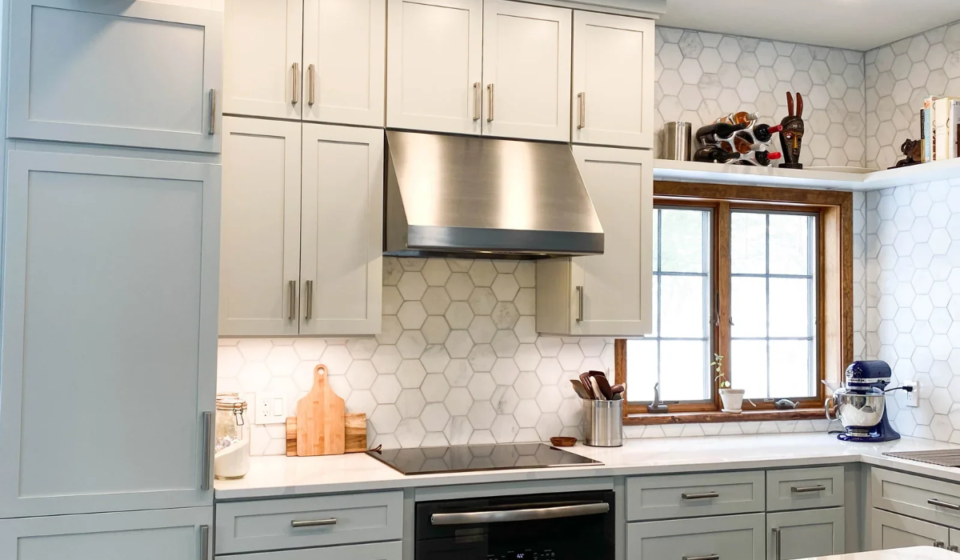

Not every kitchen has space for ductwork, and that is where recirculating ventilation comes in. Instead of sending air outside, these systems pull cooking air through a filter and release it back into the room. Understanding how ductless under cabinet range hoods work helps homeowners decide whether one suits their layout, cooking habits, and budget. Factors such as filter type, airflow rating, size, and noise level all shape everyday performance. This guide explains how recirculating hoods clean the air, what airflow numbers mean, how to pick the right hood width, and how to keep the filters working well over time.
How Recirculation Works
A ducted hood moves cooking exhaust outdoors. A ductless model works differently, pulling air from above the cooktop, passing it through filters, and sending the cleaned air back into the kitchen. This design suits kitchens where installing ductwork is not an option, such as certain apartments, condos, or layouts with limited access. Some under-cabinet models can be converted to ductless operation with an optional charcoal filter accessory, which adds flexibility if a kitchen setup changes later. Because ductless under-cabinet range hoods mount beneath a cabinet, they work within the existing kitchen layout.
Charcoal and Carbon Filters
Filters do the main work in a recirculating system. Charcoal or carbon filters trap smoke, grease, and cooking odors before the air returns to the room. Larger, higher-quality carbon filters trap more odors and contaminants, making a recirculating hood more effective overall. Charcoal filters also wear out. They should typically be replaced every three to six months, or after about 30 hours of cooking, depending on how often and how heavily you cook. Keeping to that schedule helps the hood perform as intended.
Understanding CFM Ratings
CFM, or cubic feet per minute, measures how much air a hood moves each minute. A higher rating means more air moved per minute, which supports stronger smoke and odor control. As a general guide, 600 to 900 CFM suits most home cooks with standard-sized ranges and moderate cooking habits. A range of 900 to 1,200 CFM is better for avid cooks or larger ranges, since it handles higher volumes of cooking exhaust.
Choosing the Right Width
Size affects how well a hood captures rising smoke and steam. Under-cabinet recirculating models are commonly offered from 30 inches up to 60 inches, which covers most standard cooktop sizes and kitchen layouts. A helpful rule is to choose a hood about 6 inches wider than the cooktop, with 3 inches of extra coverage on each side. When shopping for ductless under-cabinet range hoods, measuring the cooktop first prevents sizing mistakes. A properly sized unit gives the best capture area for compact and large stovetops alike.
Noise, Energy, and Codes
Noise is a common concern in open-concept kitchens. Some recirculating models run at around 7 sones, which allows strong ventilation without a distracting hum. Dual motors provide more powerful, evenly distributed airflow, while single motors offer streamlined, energy-efficient ventilation. Many hoods also include LCD or push-button touch controls that adjust fan speed, lighting, and timer settings. Because a recirculating hood does not vent air outside, it keeps heated or cooled air inside the home, which can potentially reduce energy loss compared with ducted systems. Local building codes vary, however. Recirculating hoods are generally permitted, but it is wise to check installation requirements before buying, especially in apartments and condos.
CFM, or cubic feet per minute, measures how much air a hood moves each minute. A higher rating means more air moved per minute, which supports stronger smoke and odor control. As a general guide, 600 to 900 CFM suits most home cooks with standard-sized ranges and moderate cooking habits. A range of 900 to 1,200 CFM is better for avid cooks or larger ranges, since it handles higher volumes of cooking exhaust.
Conclusion
Choosing a recirculating hood comes down to a few practical decisions: filter quality, airflow, width, noise, and local rules. Before purchasing, it also helps to understand how to install a ductless range hood, since the right size, airflow rating, and local requirements all affect the setup. Replace filters on schedule, match the CFM rating to your cooking habits, and measure your cooktop carefully. With those steps covered, a recirculating hood can provide dependable smoke, grease, and odor control in a kitchen without ductwork.
