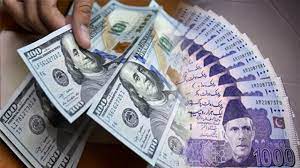

Dollar to PKR: Why This Exchange Rate Matters Every Day
The Dollar to PKR exchange rate is one of the most closely watched financial indicators in Pakistan. Whether you are a business owner, importer, exporter, overseas Pakistani, student, traveler, or investor, the value of the US Dollar against the Pakistani Rupee affects many aspects of daily life. Exchange rate movements influence the prices of imported goods, fuel, electronics, education expenses, and international transactions. As global markets continue to evolve, understanding how the Dollar to PKR rate works helps individuals and businesses make informed financial decisions. While exchange rates fluctuate regularly due to market conditions, staying informed allows people to plan more effectively and respond to economic changes with greater confidence.
Understanding How the Dollar to PKR Exchange Rate Works
An exchange rate represents the value of one currency compared to another. In the case of Dollar to PKR, it shows how many Pakistani Rupees are required to purchase one US Dollar. This value changes based on supply and demand in the foreign exchange market. When demand for US Dollars increases, the Pakistani Rupee may weaken, causing the exchange rate to rise. On the other hand, when the availability of foreign currency improves or market confidence strengthens, the Rupee may appreciate, resulting in a lower exchange rate. These fluctuations are a natural part of international financial markets and are influenced by both domestic and global economic conditions.
Economic Factors That Influence Currency Movements
Several economic indicators contribute to changes in the Dollar to PKR exchange rate. Inflation, foreign exchange reserves, trade balances, interest rates, government policies, and investor confidence all play significant roles. Countries with strong exports and healthy foreign currency reserves often experience greater currency stability. Conversely, rising import bills or declining foreign reserves can increase pressure on the local currency. Global economic developments, international oil prices, and geopolitical events also affect exchange rates because they influence investor sentiment and international trade. Understanding these factors provides valuable insight into why exchange rates rarely remain constant for long periods.
The Role of Imports and Exports in Exchange Rate Stability
Pakistan imports a variety of essential products, including petroleum, machinery, industrial equipment, pharmaceuticals, and electronic goods. Importers require US Dollars to pay international suppliers, increasing demand for foreign currency. At the same time, exports generate valuable foreign exchange by bringing US Dollars into the country. A healthy balance between imports and exports contributes to greater exchange rate stability. When exports increase and foreign exchange earnings improve, additional Dollar inflows can help strengthen the Rupee. Encouraging export growth therefore remains an important strategy for improving long-term economic resilience and reducing pressure on the national currency.
How Dollar to PKR Affects Everyday Consumers
Exchange rate fluctuations eventually influence household budgets across Pakistan. Many imported consumer products become more expensive when the Dollar strengthens against the Rupee. Electronics, mobile phones, vehicles, medical equipment, imported food products, and industrial materials may all experience price changes due to exchange rate movements. Rising import costs can also affect local manufacturing because many industries rely on imported raw materials and machinery. As production expenses increase, businesses may adjust product prices accordingly. Understanding this relationship helps consumers appreciate why exchange rate changes often impact the overall cost of living.
Overseas Pakistanis and the Importance of Dollar to PKR
Millions of overseas Pakistanis regularly send financial support to their families through international remittances. The Dollar to PKR exchange rate directly influences the value of these transfers when converted into local currency. Even small changes in exchange rates can significantly affect the amount received by families over time. For this reason, many individuals monitor exchange rate trends before transferring funds. Reliable banking channels and licensed exchange companies provide updated exchange rates that reflect current market conditions, allowing customers to compare available options before completing transactions.
Businesses Depend on Stable Exchange Rates
For businesses involved in international trade, exchange rate stability supports accurate budgeting, pricing, and long-term planning. Importers calculate product costs based on prevailing exchange rates, while exporters evaluate international competitiveness by considering currency values. Unexpected fluctuations can influence profit margins, purchasing decisions, and contract negotiations. Companies often monitor market trends carefully to manage currency-related risks and maintain financial stability. Understanding exchange rate behavior allows businesses to make informed operational decisions while adapting more effectively to changing market conditions.
Why Exchange Rates Change Every Day
Currency markets operate continuously around the world, responding to economic news, financial data, and investor expectations. Changes in interest rates, inflation reports, employment statistics, central bank policies, and international trade figures can all influence market sentiment. Exchange rates also respond to global events such as geopolitical developments, commodity price movements, and financial market performance. Because these factors evolve regularly, the Dollar to PKR rate may change several times during a single trading day. Financial institutions and currency exchange providers update their rates frequently to reflect current market conditions.
Digital Technology Makes Currency Information More Accessible
Advancements in financial technology have made exchange rate information easier to access than ever before. Individuals can now monitor live currency rates through banking applications, financial websites, online currency converters, and mobile platforms. Businesses also use digital financial tools to manage international payments, compare exchange rates, and analyze market trends. Real-time access to exchange rate information improves financial decision-making while helping users respond quickly to changing market conditions. As technology continues evolving, currency management becomes increasingly convenient for both individuals and organizations.
Planning Finances During Exchange Rate Fluctuations
Financial planning becomes especially important when exchange rates experience noticeable changes. Individuals paying international tuition fees, purchasing imported goods, or planning overseas travel should consider monitoring currency movements before making major transactions. Businesses involved in international trade often develop budgeting strategies that account for possible exchange rate fluctuations. Careful financial planning helps reduce uncertainty while supporting better decision-making during changing economic conditions. Although predicting short-term currency movements remains difficult, staying informed enables individuals and organizations to respond more effectively to market developments.
Long-Term Importance of Monitoring Dollar to PKR Trends
The Dollar to PKR exchange rate reflects broader economic activity rather than isolated market events. Long-term trends often indicate changes in trade performance, foreign investment, inflation, and overall economic confidence. Economists, policymakers, businesses, and investors regularly analyze exchange rate movements to better understand the country’s financial direction. Consistent monitoring helps identify opportunities, evaluate risks, and develop strategies that support sustainable economic growth. As Pakistan continues participating in global trade and international financial markets, exchange rate awareness remains increasingly valuable for businesses and consumers alike.
Dollar to PKR Continues to Shape Financial Decisions Across Pakistan
The Dollar to PKR exchange rate plays an essential role in Pakistan’s economy by influencing trade, investment, imports, exports, remittances, education costs, travel expenses, and consumer prices. Although exchange rates naturally fluctuate according to market conditions, understanding the factors behind these movements allows individuals and businesses to make more informed financial decisions. Monitoring reliable exchange rate information, planning ahead, and staying aware of economic developments can help reduce uncertainty and improve financial management. As global markets become increasingly interconnected, knowledge of currency exchange trends will continue to be an important part of personal finance, business planning, and long-term economic success for people across Pakistan.