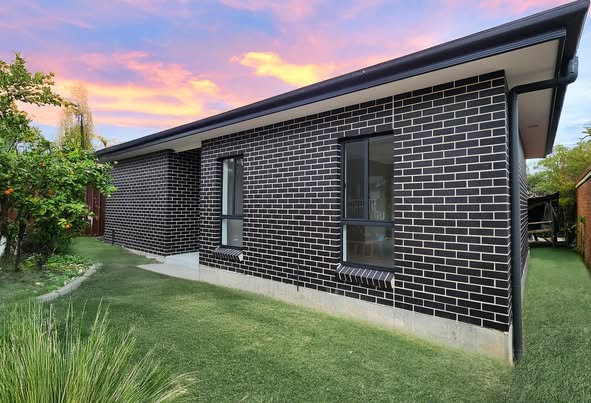

If you are planning to build a granny flat in Sydney, the short answer is yes—approval is required. You need either a Complying Development Certificate (CDC) or a Development Application (DA) before construction begins. The right option depends on your property and design. Understanding this early helps you avoid delays, fines, or rejected plans.
Many homeowners feel confused about rules, costs, and timelines. This guide explains everything in simple terms so you can move forward with clarity. Let’s start by understanding what a granny flat is and why approval matters.
What Is A Granny Flat And Why Approval Matters
A granny flat is a self-contained secondary dwelling built on the same land as your main house. It includes a kitchen, bathroom, bedroom, and living space. In Sydney, it is also called a secondary dwelling under planning laws.
Approval matters because local councils and state rules control land use, safety, and environmental impact. Without approval, your granny flat becomes an illegal structure. This can lead to penalties, or forced demolition. That is why knowing the correct approval pathway is essential before starting any work.
Types Of Approvals For Granny Flats In Sydney
To build a granny flat, you must choose between two approval types. Each has its own process, conditions, and timeline.
Complying Development Certificate (CDC)
A CDC is a fast-track approval process. It applies when your project meets specific standards set by the NSW government. These standards cover size, height, setbacks, and land requirements.
Most homeowners prefer a CDC because approval can be granted within 10 to 20 days. It avoids lengthy council reviews and reduces paperwork. Many granny flats builders Sydney projects follow this pathway when the property meets all criteria.
Development Application (DA)
A DA is required when your project does not meet CDC standards. This process involves submitting detailed plans to your local council for review.
Approval can take 6 to 12 weeks or longer. The council assesses design, environmental impact, and neighbourhood compatibility. While slower, a DA allows more flexibility in design.
Understanding these two options helps you choose the right path based on your property and goals.
Key Requirements For Granny Flat Approval
To qualify for approval, your property must meet specific requirements. These rules ensure safe and suitable construction.
Here are the main requirements:
- Minimum lot size: 450 square metres
- Maximum granny flat size: 60 square metres
- Setback from boundaries: At least 3 metres (varies by zone)
- Private open space: Required for both dwellings
- Separate access: Safe entry to the granny flat
If your property meets these conditions, a CDC is usually possible. If not, you will need a DA.
These requirements can vary slightly based on zoning, so checking your property details is always important before planning.
Costs And Timeframes For Approval In Sydney
Understanding costs and timelines helps you plan your budget and schedule effectively.
Here is a simple breakdown:
| Approval Type | Average Cost (AUD) | Approval Time |
|---|---|---|
| CDC | $2,000 – $5,000 | 10–20 days |
| DA | $5,000 – $10,000 | 6–12 weeks |
These costs include application fees, documentation, and certification. Additional costs may apply for site surveys or design changes.
According to Australian housing data, secondary dwellings have increased by over 20% in NSW over recent years, showing strong demand for granny flats. This growth makes it even more important to follow the correct approval process to avoid delays.
Once you understand the costs, the next step is knowing how to apply.
How To Apply For Granny Flat Approval
To apply for approval, follow these 5 clear steps:
1. Check Property Eligibility
Confirm your land size, zoning, and site conditions.
2. Prepare Design Plans
Create detailed drawings that meet NSW planning rules.
3. Choose Approval Type
Decide between CDC or DA based on your design.
4. Submit Application
Lodge your documents through a certifier or council.
5. Receive Approval
Wait for approval before starting construction.
Homeowners in areas like granny flats Emu Plains often follow this structured process to avoid complications and delays.
Following these steps carefully ensures a smoother approval journey.
Common Reasons Granny Flat Applications Get Rejected
Applications can be rejected if they fail to meet planning rules or documentation standards. Knowing these reasons helps you avoid mistakes.
Here are 5 common issues:
- Property size below minimum requirement
- Incorrect setbacks or building height
- Incomplete or unclear documentation
- Non-compliance with zoning rules
- Lack of private open space
Avoiding these problems increases your chances of fast approval.
At this stage, it is helpful to understand how experienced builders can support the process.
Many homeowners rely on experienced companies like Master Granny Flats because they understand local regulations, handle approvals efficiently, and ensure designs meet compliance standards. Their experience helps reduce delays and simplifies the entire process.
Benefits Of Getting Proper Approval
Getting approval may seem like extra work, but it provides long-term benefits.
Here are key advantages:
- Legal compliance avoids fines and legal issues
- Increased property value with approved structure
- Easier resale and rental opportunities
These benefits make approval an essential step, not just a legal formality.
Tips To Speed Up The Approval Process
You can reduce delays by following simple strategies.
- Choose CDC if your property qualifies
- Work with experienced designers or builders
- Submit complete and accurate documents
- Check local zoning rules before planning
These steps help avoid back-and-forth communication and speed up approval.
Final Thoughts
Council approval for a granny flat in Sydney is not optional—it is a necessary step to build legally and safely. Choosing between CDC and DA depends on your property and design. By understanding requirements, costs, and the process, you can move forward with confidence and avoid costly mistakes.
Taking the time to plan properly ensures a smoother experience and a successful project outcome.
Explore helpful guides and updates in our blog section.
FAQs
Do I always need approval for a granny flat in Sydney?
Yes, approval is required either through a CDC or DA before construction begins.
How long does a CDC approval take?
A CDC usually takes 10 to 20 days if all requirements are met.
What is the maximum size of a granny flat?
The maximum allowed size is 60 square metres in most cases.
Can I build a granny flat on any property?
No, your property must meet minimum size and zoning requirements.
Is a granny flat a good investment in Australia?
Yes, it can increase property value and provide rental income opportunities.