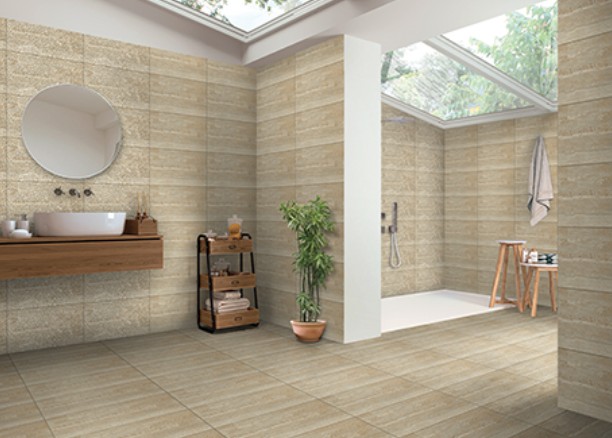
Tiles have become an important part of modern interior planning because they combine visual appeal, durability, and everyday functionality. Different spaces require surfaces that can handle moisture, stains, heat, frequent cleaning, and regular foot traffic. This is why choosing the right tile for each application matters. From creating a relaxing bathing space to designing a practical cooking area, bathroom tiles and kitchen tiles can serve multiple purposes beyond simply covering floors and walls. Their varied designs, finishes, sizes, and applications make them useful across many residential interior requirements.
Using Tiles to Create Functional Bathroom Spaces
Bathrooms are exposed to water, humidity, soaps, and regular cleaning products. The surfaces used in this space should therefore support both hygiene and long-term performance. Well-selected bathroom tiles can help create a practical environment while also contributing to the overall appearance of the room.
1. Floor Applications for Better Everyday Use
Bathroom floors need surfaces that are suitable for frequent exposure to water. Tiles can provide a durable and easy-to-maintain solution for this application.
Depending on the design requirements, homeowners can consider tiles that offer:
- Suitable surfaces for wet areas
- Easy cleaning and maintenance
- Visual consistency across the space
- Durability for regular foot traffic
- Different sizes and patterns for varied layouts
Smaller or carefully selected tile formats can also help create visual interest in compact bathrooms.
2. Wall Covering for Moisture-Prone Areas
Bathroom walls, especially around showers and washbasins, require surfaces that can handle frequent splashes. Tiles can protect these areas while allowing homeowners to introduce colors, patterns, and textures.
Wall applications can include:
- Shower enclosures
- Washbasin backdrops
- Full-height bathroom walls
- Half-wall designs
- Decorative feature sections
Using contrasting colors or finishes can help define different functional zones within the same bathroom.
Creating Spa-Like Interiors at Home
A bathroom is no longer viewed only as a functional space. Many homeowners now want it to feel calm, comfortable, and visually balanced. Tile selection can play an important role in achieving this effect.
Natural-Looking Surface Applications
Stone-inspired, wood-inspired, or textured surfaces can create a warm and relaxing atmosphere. These designs can be used across walls and floors to establish a coordinated appearance.
For example, a homeowner may use neutral floor surfaces with a textured wall behind the washbasin. This creates a focal point without making the entire space appear overly decorative.
Feature Walls Around the Washbasin
The wall behind a mirror or washbasin can become a design feature. Patterned, textured, or contrasting tiles can be used to make this area stand out.
This approach is particularly useful when homeowners want to refresh a bathroom without introducing too many decorative elements throughout the room.
Practical Uses of Tiles in Kitchen Design
Kitchens experience a different set of challenges. Cooking activities can expose surfaces to food spills, oil splashes, moisture, and regular cleaning. The right kitchen tiles can support these everyday requirements while helping create a visually organized interior.
3. Kitchen Flooring for Everyday Activity
Kitchen floors experience frequent movement, especially in active households. Tiles can provide a practical surface for this high-use area.
Important considerations for kitchen flooring may include:
- Ease of cleaning
- Resistance to everyday stains
- Suitability for regular foot traffic
- Compatibility with the overall interior design
- Visual coordination with cabinets and countertops
Larger formats may create a more seamless appearance, while patterned designs can add character to specific areas.
4. Backsplash Applications Behind Cooking Areas
The backsplash is one of the most common uses of kitchen tiles. This section of the wall is exposed to cooking splashes and requires regular cleaning.
Tiles can help create a protective and decorative surface behind:
- Cooking ranges
- Preparation counters
- Wash areas
- Open shelving sections
A backsplash can also introduce contrast into an otherwise simple kitchen. For instance, neutral cabinets can be paired with patterned or textured wall tiles to create greater visual interest.
Defining Different Zones Within an Open Kitchen
Open-plan homes often combine cooking, dining, and living spaces. In such layouts, materials can help visually define individual zones without building physical partitions.
Tiles can be used to distinguish:
- The cooking zone
- The dining section
- The utility area
- The transition between kitchen and living spaces
A change in tile pattern, size, or layout can clearly separate functional areas while maintaining an open feel.
Coordinating Floors and Walls
A coordinated approach can make kitchens and bathrooms appear more thoughtfully designed. Homeowners can select complementary surfaces rather than using identical tiles everywhere.
Some useful combinations include:
- Neutral flooring with patterned walls
- Textured floors with smooth wall surfaces
- Light-colored walls with darker floor designs
- Simple large-format tiles paired with decorative accents
The goal is to create balance between visual appeal and practical use.
Using Tiles in Compact Spaces
Small kitchens and bathrooms can benefit significantly from thoughtful tile planning. The right choices can influence how spacious and organized a room feels.
Making a Small Bathroom Feel More Open
Lighter colors can help reflect available light, while coordinated wall and floor surfaces can create visual continuity. Extending similar finishes across multiple surfaces may also reduce visual interruptions.
Other useful approaches include:
- Using larger formats where suitable
- Reducing excessive pattern combinations
- Choosing coordinated colors
- Creating one focal wall instead of decorating every surface
Improving the Appearance of Small Kitchens
Compact kitchens can appear more organized when surfaces are visually consistent. A carefully designed backsplash can add personality without overwhelming the room.
For smaller layouts, homeowners may focus on clean lines, balanced colors, and surfaces that are easy to maintain.
Decorative Applications Beyond Basic Wall and Floor Covering
Tiles can also be used as design elements in different ways. Their flexibility allows homeowners and designers to create customized details within interiors.
Accent Borders and Patterns
Decorative borders can be introduced around mirrors, counters, or specific wall sections. Patterned layouts can also create visual breaks within larger surfaces.
Niche and Recess Applications
Bathroom niches and kitchen recesses can be highlighted using contrasting designs. These small areas provide an opportunity to introduce texture or pattern without changing the appearance of the entire room.
Feature Panels
A selected wall can become a focal point through a different tile design. This approach works well behind:
- Washbasins
- Kitchen counters
- Dining corners
- Storage sections
Feature panels allow homeowners to add personality while maintaining a balanced overall design.
Choosing Tiles Based on the Intended Use
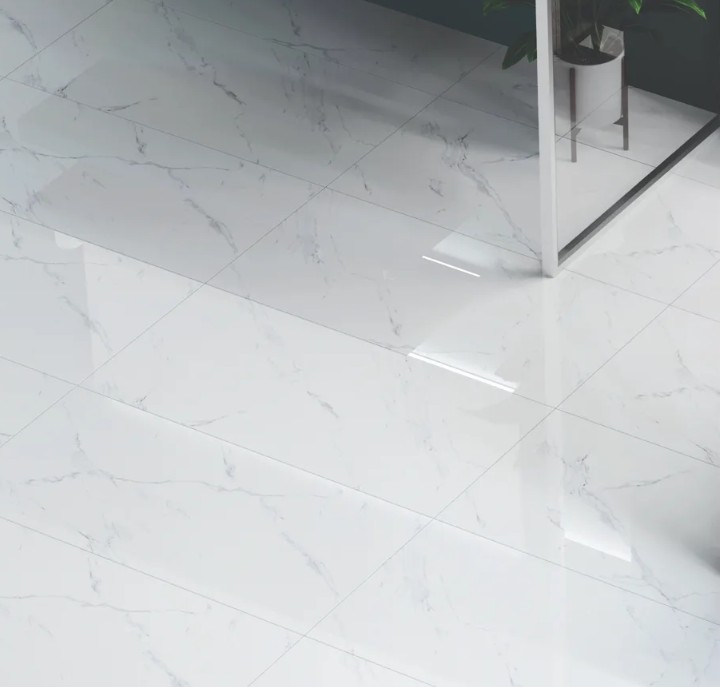
The best tile choice depends on where and how the surface will be used. Appearance is important, but practical requirements should also be considered.
Before selecting tiles, homeowners can evaluate:
- Exposure to water and moisture
- Frequency of cleaning
- Expected foot traffic
- Size of the room
- Available natural and artificial light
- Existing colors and materials
- Desired design style
By considering these factors together, it becomes easier to select surfaces that support both everyday needs and long-term design goals.
Conclusion
Tiles can serve many purposes across residential interiors, making them suitable for both practical and decorative applications. Whether used for moisture-prone areas, busy cooking spaces, feature walls, backsplashes, floors, or compact interiors, the right selection can improve functionality and visual appeal. With decades of experience at the intersection of design, innovation, and responsibility, Somany Ceramics offers surface solutions suited to evolving residential requirements. Somany Ceramics can help homeowners and designers explore versatile options for creating functional and visually balanced spaces. Through thoughtful design choices, Somany Ceramics continues to support interiors built for everyday living.