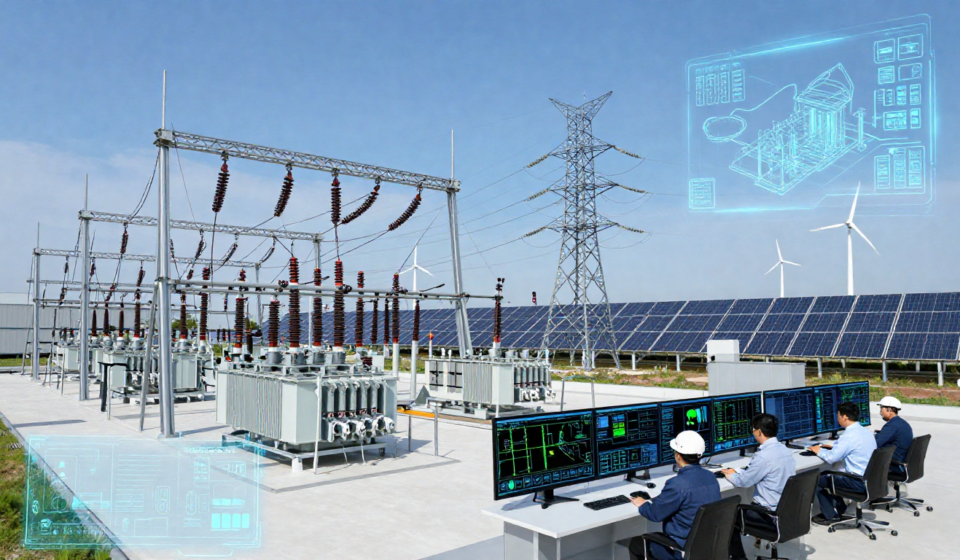

The global energy landscape is changing faster than ever. Rapid urbanization, industrial growth, renewable energy integration, and the electrification of transportation are placing unprecedented demands on electrical networks. To meet these challenges, utilities, industries, and infrastructure developers need power systems that are reliable, scalable, and prepared for future expansion.
Modern power infrastructure is no longer just about delivering electricity from one point to another. It requires intelligent planning, advanced engineering, and long-term thinking. This is where substation engineering design, comprehensive electrical power system studies, and an optimized electrical substation layout become the foundation of a resilient electrical network.
Why Future-Ready Power Infrastructure Matters
Electricity powers every aspect of modern life—from manufacturing plants and commercial buildings to hospitals, transportation systems, and data centers. As electricity demand continues to increase, aging infrastructure must be upgraded to accommodate higher loads while maintaining safety and operational efficiency.
Future-ready infrastructure offers several advantages:
- Improved power reliability
- Enhanced system safety
- Easier integration of renewable energy sources
- Reduced operational and maintenance costs
- Greater flexibility for future expansion
- Better compliance with modern industry standards
Rather than simply addressing today’s requirements, engineers must design systems capable of supporting tomorrow’s technologies and increasing energy demands.
The Importance of Smart Substation Engineering Design
Effective substation engineering design is one of the most critical aspects of building a dependable power network. A well-designed substation serves as the control point where electricity is transformed, protected, and distributed efficiently across the grid.
Modern substation engineering involves much more than selecting electrical equipment. Engineers carefully evaluate electrical loads, environmental conditions, equipment ratings, protection coordination, communication systems, grounding requirements, and future expansion plans.
A professionally engineered substation delivers numerous benefits, including:
- Increased equipment reliability
- Reduced downtime
- Enhanced personnel safety
- Simplified maintenance
- Lower lifecycle costs
- Improved operational performance
With the growing adoption of digital substations, automation, and intelligent monitoring systems, engineering design has become even more important in maximizing long-term system performance.
Electrical Power System Studies: The Foundation of Reliable Networks
Even the highest-quality equipment cannot perform effectively without proper analysis. This is why electrical power system studies play a vital role during both the design and operational phases of any electrical project.
Power system studies help engineers understand how the network will behave under different operating conditions. They identify potential weaknesses before installation, reducing costly modifications later in the project.
Some of the most essential studies include:
Load Flow Analysis
Load flow studies determine voltage levels, power distribution, transformer loading, and system efficiency throughout the network. These studies ensure that electrical equipment operates within acceptable limits under both normal and peak demand conditions.
Short Circuit Analysis
Fault conditions can generate extremely high currents capable of damaging equipment and creating serious safety hazards. Short circuit studies calculate fault levels and help engineers specify circuit breakers, protective devices, and equipment ratings appropriately.
Protection Coordination Studies
Protection coordination ensures that protective devices operate in the correct sequence during electrical faults. Proper coordination minimizes service interruptions while protecting equipment from unnecessary damage.
Arc Flash Studies
Arc flash analysis identifies potential hazards for maintenance personnel and helps establish safe working procedures in accordance with recognized electrical safety standards.
By performing these studies early in the design process, organizations can significantly improve reliability, safety, and regulatory compliance while minimizing operational risks.
Optimizing Electrical Substation Layout for Performance and Safety
An effective electrical substation layout is far more than arranging equipment on a drawing. It directly impacts operational efficiency, maintenance accessibility, personnel safety, and future system expansion.
Engineers consider numerous factors when developing an optimized layout, including:
- Available land area
- Equipment clearances
- Cable routing
- Fire protection requirements
- Grounding systems
- Access roads
- Environmental conditions
- Future expansion space
A well-planned layout improves operational efficiency by simplifying maintenance activities and reducing the likelihood of equipment interference. It also supports safer working environments by maintaining proper clearances and ensuring easy access to critical components.
As substations continue to evolve with digital monitoring systems and automated controls, layout planning must also accommodate communication infrastructure and intelligent electronic devices.
Integrating Renewable Energy into Modern Power Systems
Renewable energy is becoming an essential part of today’s electrical grid. Solar farms, wind power plants, battery energy storage systems, and distributed generation are transforming the way electricity is produced and delivered.
Unlike conventional power generation, renewable sources often introduce fluctuating power output and bidirectional energy flow. Designing infrastructure that accommodates these characteristics requires careful engineering and advanced system analysis.
Engineers use electrical power system studies to evaluate voltage stability, fault current behavior, and protection system performance after renewable energy integration. At the same time, substation engineering design must include flexible equipment configurations capable of adapting to changing generation patterns.
This integrated approach allows organizations to improve grid stability while supporting sustainability goals and future energy expansion.
Planning Today for Tomorrow’s Growth
One of the biggest mistakes in infrastructure development is designing only for immediate needs. Electrical systems often remain in service for several decades, making long-term planning essential.
Future-focused engineering considers:
- Increasing electrical demand
- Facility expansion
- New production equipment
- Digital automation
- Electric vehicle charging infrastructure
- Smart grid technologies
- Renewable energy integration
Including expansion capacity during the initial electrical substation layout and equipment selection can save significant costs compared to retrofitting an overloaded facility years later.
Scalable infrastructure not only improves return on investment but also minimizes disruptions as operational requirements evolve.
Conclusion
As energy demand continues to grow, organizations need power infrastructure that delivers reliability, efficiency, and flexibility for decades to come. Successful projects begin with thoughtful planning, detailed engineering, and comprehensive technical analysis.
By investing in professional substation engineering design, performing thorough electrical power system studies, and developing an optimized electrical substation layout, utilities, industrial facilities, and developers can build resilient electrical networks that support both current operations and future expansion.
At Keentel Engineering, we understand that every power system is unique. Our engineering solutions are designed to help clients create safe, efficient, and future-ready electrical infrastructure that meets today’s challenges while preparing for tomorrow’s energy demands.