

Maintaining healthy teeth and gums requires more than brushing twice a day and flossing regularly. Even people with consistent oral hygiene habits can develop plaque and tartar in areas that are difficult to clean at home. Professional dental cleanings help remove these deposits, reduce the risk of gum problems, and support long-term oral health. Understanding the importance of Dental Cleaning in Brampton can help individuals make informed decisions about preventive dental care and maintain healthier smiles.
Regular dental appointments also allow dental professionals to identify potential concerns before they become more complicated. From removing hardened plaque to checking gum health, professional cleaning is an essential part of a well-rounded dental care routine.
Why Professional Dental Cleaning Matters
Daily brushing and flossing are important, but they cannot always remove every trace of plaque. Plaque is a sticky film of bacteria that naturally forms on teeth. When it is not removed effectively, it can harden into tartar, which cannot be eliminated with an ordinary toothbrush.
Professional dental cleaning addresses these deposits using specialized instruments and techniques. Removing plaque and tartar helps reduce bacterial buildup and supports healthier gums.
Another important benefit is early detection. During routine dental visits, professionals can identify signs of gum inflammation, tooth decay, and other oral health concerns. Addressing these issues early may help prevent more extensive treatment later.
What Happens During a Professional Dental Cleaning?
Understanding the cleaning process can make dental visits more comfortable, especially for individuals who have not received professional cleaning in some time.
1. Initial Oral Examination
The appointment generally begins with an examination of the teeth and gums. The dental professional checks for plaque accumulation, tartar deposits, gum inflammation, and other visible concerns.
This assessment helps determine the type of cleaning required and whether additional attention is necessary.
2. Plaque and Tartar Removal
The next step involves removing plaque and hardened tartar from tooth surfaces and along the gumline. Dental professionals use specialized tools to clean areas that are difficult to reach through regular brushing and flossing.
This process, often called scaling, helps reduce bacterial deposits that contribute to gum disease and tooth decay.
3. Professional Teeth Polishing
After scaling, teeth may be polished using a professional cleaning paste and specialized equipment. Polishing helps remove certain surface stains and leaves teeth feeling smoother.
Although polishing can improve the appearance of teeth, it is not the same as cosmetic teeth whitening.
4. Flossing and Preventive Advice
The cleaning may finish with professional flossing to remove remaining debris between teeth. Depending on individual needs, the dental professional may also recommend fluoride treatment or discuss improvements to daily oral hygiene habits.
Benefits of Regular Dental Cleaning
Consistent professional cleaning offers several benefits beyond maintaining a fresh and polished smile.
Helps Prevent Gum Disease
Plaque buildup along the gumline can cause inflammation, commonly known as gingivitis. Symptoms may include redness, tenderness, and bleeding during brushing. If left untreated, gum disease can progress and potentially damage the tissues supporting the teeth.
Routine cleaning helps remove the deposits associated with gum inflammation and supports healthier gums.
Reduces the Risk of Tooth Decay
Bacteria in dental plaque produce acids that can weaken tooth enamel. Removing plaque regularly helps reduce one of the contributing factors to cavities.
However, professional cleaning should always be combined with proper brushing, flossing, and other preventive measures.
Helps Manage Surface Stains
Coffee, tea, certain foods, and tobacco products can contribute to surface discoloration. Professional cleaning can remove some external stains, helping teeth look cleaner and brighter.
For deeper discoloration, a dental professional may discuss appropriate cosmetic options.
Supports Fresher Breath
Persistent bad breath can sometimes result from bacteria, plaque, food particles, or gum problems. Professional cleaning removes accumulated deposits that may contribute to unpleasant breath.
Maintaining good oral hygiene between appointments is equally important for lasting freshness.
How Often Should You Get Your Teeth Cleaned?
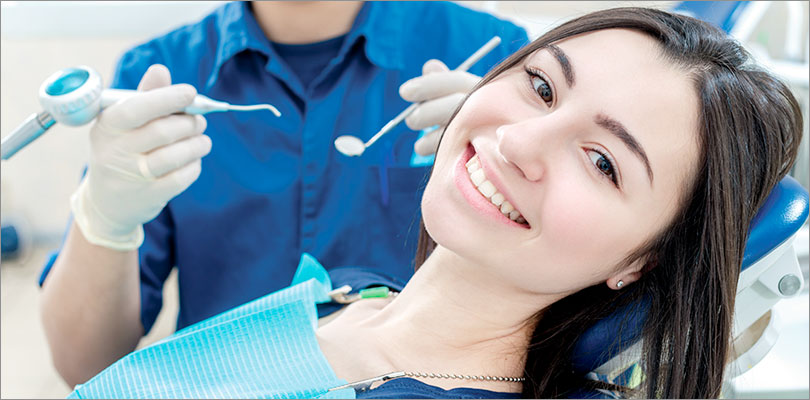
The recommended frequency of professional dental cleaning varies from person to person. Many individuals benefit from appointments approximately every six months, but this schedule is not suitable for everyone.
People with a history of gum disease, significant plaque buildup, certain medical conditions, or other oral health concerns may require more frequent professional care.
A dentist can evaluate your dental health and recommend an appointment schedule based on your individual needs.
It is also important not to wait for discomfort before scheduling a visit. Gum disease and early tooth decay do not always cause noticeable symptoms.
Maintaining Oral Hygiene Between Dental Visits
Professional cleaning works best when supported by consistent daily habits. Simple changes can make a meaningful difference in protecting teeth and gums.
Consider following these practices:
- Brush twice daily: Use a fluoride toothpaste and a soft-bristled toothbrush.
- Floss every day: Clean between teeth to remove plaque and food particles.
- Drink enough water: Water helps rinse away food debris and supports saliva production.
- Limit sugary foods: Frequent sugar consumption can increase the risk of tooth decay.
- Replace your toothbrush: Change your toothbrush approximately every three to four months or sooner if the bristles become worn.
- Attend regular checkups: Follow your dentist’s recommendations for examinations and professional cleaning.
These habits help maintain the results of professional dental care and reduce the likelihood of preventable oral health problems.
Choosing the Right Dental Care Provider
A positive dental experience involves more than having access to professional cleaning equipment. Patients should feel comfortable discussing their concerns, asking questions, and understanding their treatment recommendations.
Look for a dental practice that emphasizes preventive care, explains procedures clearly, and considers individual oral health needs. Reviewing available treatment information can also help patients understand what to expect before an appointment.
For those exploring preventive dental services, Dental Corner provides information about its professional dental cleaning services, including the importance of maintaining clean teeth and healthy gums through routine dental care.
Conclusion
Professional dental cleaning is an important part of maintaining healthy teeth, preventing gum problems, and supporting long-term oral hygiene. While brushing and flossing remain essential, they cannot completely replace the benefits of removing hardened tartar and accumulated plaque through professional care.
By scheduling regular dental appointments, following recommended oral hygiene practices, and addressing concerns early, individuals can protect their smiles and enjoy better overall dental health. Consistency is the key to making preventive dental care a lasting part of everyday life.