

A confident smile can make a meaningful difference in everyday life. However, small dental imperfections such as chipped edges, uneven teeth, visible gaps, and discoloration can sometimes make people feel less comfortable showing their teeth. Fortunately, modern cosmetic dentistry offers several ways to address these concerns without always requiring extensive dental procedures. One popular option is Dental Bonding in Edmonton, a treatment designed to improve the appearance of teeth using tooth-colored composite resin.
Dental bonding is valued for its relatively simple application, natural-looking results, and ability to address multiple cosmetic concerns. Understanding how the procedure works, what it can correct, and how to maintain the results can help patients decide whether it is the right choice for their smile.
What Is Dental Bonding?
Dental bonding is a cosmetic dental procedure in which a dentist applies a tooth-colored composite resin material to the surface of a tooth. The material is carefully shaped to improve the tooth’s appearance, then hardened using a special curing light. Finally, the dentist polishes it to create a smooth finish that blends with the surrounding teeth.
Unlike some restorative treatments that require significant preparation, bonding generally involves minimal alteration of the natural tooth structure. In many cases, anesthesia may not be necessary unless the procedure is being used to repair decay or address another dental concern.
The composite material is available in different shades, allowing the dentist to select a color that closely matches the patient’s natural teeth.
Common Dental Concerns That Bonding Can Address
One reason dental bonding remains a popular cosmetic treatment is its versatility. It can improve several minor imperfections without requiring extensive dental work.
Repairing Chipped or Cracked Teeth
Small chips and minor surface damage can affect the appearance of an otherwise healthy smile. Composite resin can be applied to rebuild the affected area, restoring a more balanced tooth shape.
Closing Small Gaps
Some people have noticeable spaces between their front teeth. Depending on the size and position of the gaps, bonding can add material to the edges of neighboring teeth, making the spaces less visible.
Improving Tooth Discoloration
Certain stains may not respond well to traditional whitening treatments. Dental bonding can cover localized discoloration by applying a carefully selected resin shade over the affected area.
Reshaping Uneven Teeth
Teeth that appear slightly shorter, irregular, or uneven can sometimes benefit from bonding. The dentist adds and shapes composite material to create a more consistent appearance across the smile.
How Does the Dental Bonding Procedure Work?
The dental bonding process is generally straightforward, although the exact steps depend on the condition of the tooth and the desired outcome.
1. Initial Dental Assessment
The dentist examines the teeth, evaluates oral health, and discusses the patient’s cosmetic goals. This assessment helps determine whether bonding is appropriate or whether another treatment would provide a better result.
2. Shade Selection and Preparation
A composite resin shade is selected to complement the surrounding teeth. The tooth surface is then prepared, usually by gently roughening it and applying a conditioning solution that helps the bonding material adhere.
3. Application of Composite Resin
The dentist applies the resin directly to the tooth and carefully shapes it to achieve the desired contour. This stage requires attention to detail because the material must complement the natural tooth structure.
4. Hardening and Polishing
A special curing light hardens the composite material. Once it has set, the dentist makes any necessary adjustments and polishes the surface to create a natural appearance.
Many bonding procedures can be completed in a single appointment, depending on the number of teeth involved.
Benefits of Choosing Dental Bonding
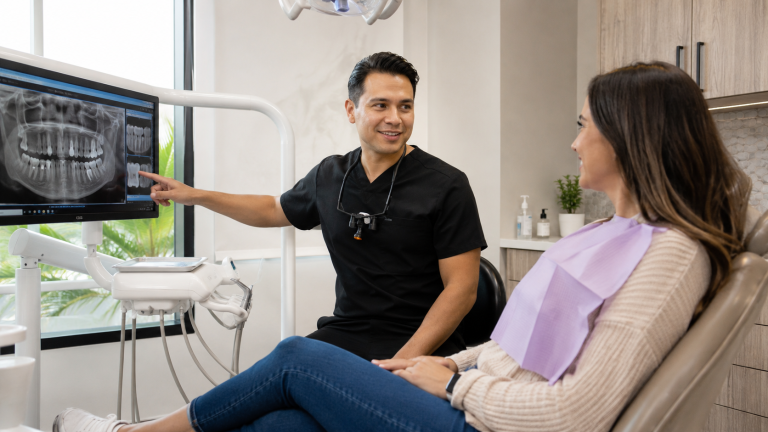
Dental bonding offers several advantages for people seeking a practical cosmetic improvement.
- Conservative treatment: Bonding usually preserves more natural tooth structure than treatments requiring extensive preparation.
- Natural appearance: Tooth-colored resin can be matched to surrounding teeth for a balanced smile.
- Versatility: It can address chips, small gaps, uneven edges, and selected discoloration concerns.
- Convenience: Many procedures can be completed in one dental visit.
- Repairability: Minor damage to bonding material can sometimes be repaired without replacing the entire restoration.
However, bonding is not suitable for every dental concern. The dentist must consider the location of the tooth, bite pressure, oral health, and the extent of the damage before recommending treatment.
Dental Bonding vs. Porcelain Veneers
Dental bonding and porcelain veneers are both cosmetic dentistry options, but they serve different needs.
Bonding uses composite resin applied directly to the tooth. It is generally more conservative and can often be completed in less time. Porcelain veneers, on the other hand, are custom-made shells designed to cover the front surfaces of teeth.
Veneers may offer greater stain resistance and longer-lasting results, but they usually involve more preparation and a higher financial investment.
The right option depends on individual goals, the condition of the teeth, and the expected durability of the treatment. Patients exploring these options can learn more through Alces Dental cosmetic dentistry services, which provide additional information about available cosmetic treatments.
How to Maintain Dental Bonding
Although composite resin can improve a smile, proper maintenance is essential for preserving its appearance and condition.
Consider these everyday habits:
- Brush twice daily using a soft-bristled toothbrush and fluoride toothpaste.
- Floss regularly to maintain healthy gums and clean between teeth.
- Avoid biting hard objects such as ice, pens, or fingernails.
- Limit frequent exposure to staining substances such as coffee, tea, and tobacco.
- Attend routine dental checkups to monitor the bonded areas.
- Avoid using your teeth to open packaging or bite hard materials.
Unlike natural enamel, composite resin can stain over time. It can also chip under excessive pressure, so protecting bonded teeth is important.
Is Dental Bonding the Right Choice?
Dental bonding can be an effective solution for people who want to correct minor cosmetic imperfections while preserving their natural teeth. However, its suitability depends on factors such as the size of the repair, the position of the affected tooth, existing dental conditions, and personal expectations.
People with significant tooth damage, extensive discoloration, or certain bite problems may benefit more from alternative treatments. A professional dental examination helps identify the most appropriate approach.
Conclusion
A small dental imperfection does not have to become a permanent concern. Dental Bonding in Edmonton offers a practical way to improve chipped, uneven, discolored, or slightly spaced teeth through a relatively conservative cosmetic procedure. With proper assessment, careful application, and consistent oral hygiene, bonding can help create a more balanced and natural-looking smile.
Understanding the available treatment options and discussing individual goals with a qualified dental professional are important steps toward making a confident decision about cosmetic dental care.