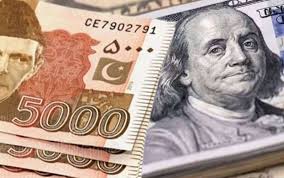

Currency Exchange Rates in Pakistan: A Complete Overview of Global Currency Value
The currency exchange rates in Pakistan play an important role in the country’s financial system, affecting individuals, businesses, travelers, investors, and international trade activities. Exchange rates determine the value of the Pakistani Rupee compared with foreign currencies such as the US Dollar, Saudi Riyal, British Pound, Euro, and other international currencies. These rates change regularly due to economic conditions, market demand, global financial developments, and government policies. Understanding currency exchange movements helps people make better financial decisions, whether they are sending money abroad, receiving remittances, managing business transactions, or planning international travel.
Understanding How Currency Exchange Rates Work in Pakistan
Currency exchange rates represent the value of one country’s currency compared to another country’s currency. In Pakistan, the exchange rate shows how many Pakistani Rupees are required to purchase a specific amount of foreign currency. These rates are influenced by supply and demand in the foreign exchange market. When demand for a particular currency increases, its value may rise compared with the Rupee. Similarly, when foreign currency availability improves, the Pakistani Rupee may become stronger. Exchange rates are constantly changing because financial markets respond quickly to economic news, international events, and investor expectations.
Importance of Foreign Currency Exchange in Pakistan’s Economy
Foreign currencies have a significant impact on Pakistan’s economy because the country participates in international trade and financial activities. Imports, exports, foreign investments, overseas employment, and international payments all depend on currency exchange systems. Businesses require foreign currencies to purchase goods and services from other countries, while exporters earn foreign currency through international sales. Overseas Pakistanis contribute significantly through remittances, which are converted into Pakistani Rupees according to current exchange rates. A stable currency exchange environment supports economic confidence and helps businesses and individuals plan their financial activities more effectively.
Major Factors That Influence Currency Exchange Rates in Pakistan
Several economic and global factors determine changes in currency exchange rates. Inflation is one of the most important factors because higher inflation can reduce the purchasing power of a currency. Interest rates also influence currency demand because investors often prefer currencies linked with stable financial returns. Foreign exchange reserves, trade balances, government policies, and political conditions can also affect currency performance. International factors such as oil prices, global economic trends, and changes in major economies can create movements in exchange rates. These combined factors make currency markets dynamic and constantly evolving.
Role of Supply and Demand in Currency Value Changes
The foreign exchange market operates mainly through supply and demand principles. When businesses, travelers, and investors need more foreign currency, demand increases and exchange rates may change. For example, higher demand for US Dollars due to imports or international payments can influence the Dollar-to-Rupee rate. On the other hand, increased foreign currency inflows from exports, investments, and remittances can improve currency availability. Understanding this relationship helps explain why exchange rates fluctuate daily and why market conditions have a direct impact on currency values.
How Currency Exchange Rates Affect Daily Life in Pakistan
Many people experience the effects of currency exchange changes even without directly exchanging foreign currency. When the Pakistani Rupee weakens against major currencies, imported products often become more expensive. Items such as electronics, fuel, machinery, medicines, and international services may experience price increases because their costs are connected to foreign currencies. Businesses may also adjust prices to manage higher expenses. Similarly, a stronger Rupee can reduce import costs and improve purchasing power. This connection shows why currency exchange rates are closely linked with everyday financial decisions.
Impact on International Trade and Business Activities
Businesses involved in international trade closely monitor exchange rate movements because currency changes directly affect their operations. Importers need foreign currency to pay international suppliers, while exporters receive payments in foreign currencies that are later converted into Rupees. Sudden exchange rate fluctuations can influence product pricing, profit margins, and financial planning. Companies often analyze currency trends before making major business decisions to reduce financial risks. A predictable exchange rate environment allows businesses to create better strategies and maintain stronger relationships with international partners.
Importance of Exchange Rates for Overseas Pakistanis
Millions of Pakistanis living abroad send money back to their families through remittances. Currency exchange rates determine how much Pakistani Rupees recipients receive after converting foreign currency transfers. For families depending on overseas income, even small changes in exchange rates can influence monthly budgets and financial planning. Overseas workers often monitor exchange rates to understand the best timing for sending money. Reliable currency exchange information helps families and individuals manage their finances more effectively while understanding how global currency movements affect their income.
Currency Exchange Rates and International Travel Planning
Travelers visiting other countries need accurate exchange rate information to estimate their expenses. Whether traveling for tourism, education, business, or religious purposes, understanding currency values helps individuals prepare realistic budgets. Exchange rates influence costs related to accommodation, transportation, food, shopping, and other travel requirements. Students studying abroad also depend on currency calculations to manage tuition fees and living expenses. Monitoring exchange rate trends before international travel allows better financial preparation and reduces unexpected challenges during overseas visits.
Digital Technology Has Changed Currency Monitoring
The growth of digital technology has made currency information easier to access than ever before. People can now check updated exchange rates through online financial platforms, banking applications, currency websites, and mobile tools. These digital solutions allow users to compare rates, calculate conversions, and plan international transactions more conveniently. Businesses also use advanced financial systems to monitor currency trends and manage international payments. The availability of real-time information has improved transparency and helped individuals make more informed financial decisions.
Understanding Official and Market Exchange Rate Differences
Currency exchange rates may vary depending on the source and type of transaction. Banks, exchange companies, and financial institutions may offer slightly different rates due to service charges, market conditions, and operational costs. The buying rate and selling rate can also differ because financial providers include their own margins. Understanding these differences helps customers choose suitable exchange services and avoid confusion when comparing rates. Reliable and authorized exchange channels provide greater security and transparency for currency transactions.
The Connection Between Inflation and Currency Stability
Inflation and currency stability are closely connected. When inflation increases, the purchasing power of a currency may decrease, which can influence exchange rate performance. Maintaining economic stability, controlling inflation, improving exports, and strengthening foreign currency reserves can support a healthier currency environment. Economic confidence also influences investor behavior, which can affect currency demand. Policymakers and financial institutions closely monitor these factors to maintain a balanced exchange system and support overall economic growth.
Future Trends of Currency Exchange Rates in Pakistan
The future direction of currency exchange rates in Pakistan will depend on both domestic and international developments. Economic reforms, trade performance, foreign investments, energy prices, and global financial conditions will continue influencing currency movements. As Pakistan becomes increasingly connected with international markets, exchange rate awareness will become even more important for businesses and individuals. Understanding economic indicators and monitoring financial trends can help people prepare for future changes and make more strategic financial decisions.
Stay Informed About Currency Exchange Rates in Pakistan for Better Decisions
The Currency Exchange Rates in Pakistan are an essential part of the country’s economic system, influencing trade, investment, remittances, travel, and everyday expenses. Exchange rates are affected by numerous factors, including inflation, market demand, international events, and economic policies. While currency movements cannot always be predicted, staying informed helps individuals and businesses manage financial decisions more effectively. By understanding how exchange rates work and following market trends, people can better prepare for changes, reduce financial uncertainty, and make smarter choices in an increasingly connected global economy.