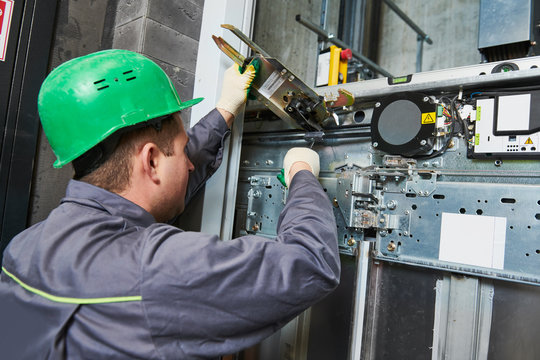

The day-to-day operations of commercial buildings require elevators to facilitate smooth and regular upward and downward movement. The offices, malls, and hospitals require systems that do not delay or pose any threat to safety. Regular inspections and timely servicing maintain performance during heavy usage. Elevator servicing guarantees that every part is in proper operation, minimizing downtime and ensuring reliability in high-traffic areas in the current infrastructure systems.
Commercial elevator systems demand well-organized attention because of the constant demand and pressure of operation. Commercial elevator repair is concerned with troubleshooting, keeping the safety standards, and providing continuous service. Commercial lift repair is a combination of mechanical and electrical repairs, which allows systems to be effective and comply with regulatory requirements and provide consistent performance in the daily complex building environment.
Commercial Elevator Systems Overview
Commercial Elevators
Depending on their structure and usage, commercial buildings have various types of elevators. Traction elevators are cabled and counterweighted. Such systems are applicable in high-rise buildings because they are fast and efficient.
Hydraulic lifts are fluid-powered lifts. They are prevalent in low-rise buildings. Machine-room-less systems are compact and technologically advanced. These systems are space-saving and come with flexible installation.
Key Components of Elevator Systems
Elevator systems consist of several essential components. Motors and drive systems control movement between floors. Control panels and sensors manage operations and detect faults.
Doors and safety mechanisms protect passengers during operation. Elevator system components must work together to ensure reliability. Any failure in these components can disrupt the entire system.
Types of problems that need elevator repair
Mechanical Failures
The causes of mechanical failures are the constant use and wear. Motors are subject to loss of efficiency. Constant pressure can cause brake systems to weaken.
The heavy loads also damage cables and pulleys. These concerns should be addressed immediately to avoid failures of the systems. Commercial elevators are properly and safely operated when repaired.
Electrical and Control System Problems
Electrical problems are usual faults in the systems. The wiring may be faulty and cause disruptions in communication between components. Technical errors may result in sensors’ and control panels’ failure.
Such issues may cause wrong floor stops or slow responses. The repair teams should solve these malfunctions as soon as possible to ensure accuracy of the systems.
Malfunctions of doors and safety
High-traffic buildings usually have problems with door systems being out of alignment. Doors can not open or close. This poses safety hazards on passengers.
The emergency systems should also be in proper working condition. Any malfunction of safety mechanisms needs to be repaired immediately. The repairs are usually mechanical and electronic in nature in relation to elevators.
Elevator repair Standards and Regulations
Local and International Safety Codes
Safety codes are established to ensure that systems of elevators are very safe. Such regulations guarantee the security of passengers and the reliability of the systems. Engineers should adhere to these codes when performing repairs.
International standards also influence repair practices. These standards are used to direct technical processes and performance standards. The safety standards of elevators establish an equal treatment of industries.
Inspection and Certification Requirements
Routine inspections ensure system safety. The government needs frequent inspections to detect possible threats. These checks guarantee that there is an adherence to life compliance rules.
Certification will ensure that the elevator is safe. Before the systems are reintroduced into operation, they have to pass an inspection. The procedure of inspecting the elevators guarantees long-term quality.
Commercial Elevator Repair Process
Initial Inspection and Diagnosis
The first step in the repair process is a thorough inspection. Technicians detect faults by examining the system. They assess performance to identify the underlying problems.
This measure guarantees precise diagnosis and less time on repairs. Inspection aids in preventing failure.
Repair Planning and Component Replacement
Inspection results enable technicians to develop a repair plan. They use certified parts to replace damaged parts. Recalibration of the system provides good functionality.
Repair of elevators used in commercial buildings must be done with accuracy at all levels. Proper planning minimizes business disruptions
Testing and System Validation
Technicians carry out load testing after repairs. They check the performance of systems when there are no abnormal conditions. Checking of safety in place.
Testing will help in ensuring that the system is operational. This step concludes the repair workflow.
Cost Factors in Commercial Elevator Repair
Nature and Intensity of Problem
Costs incurred in repairing are dependent on the type of issue. Minor issues require fewer resources and less time. Significant faults include large quantities of work and increased expenses.
Equipment and replacement parts
Various systems have different components. State-of-the-art systems can require special components. This figure adds the total cost of repair.
Labor and Service Charges
The cost of labor is dependent on the skills and experience of the technician, as well as time. Repairs are done by skilled professionals. Commercial lift repair rates are based on quality/complexity of service.
Preventive Maintenance and Repair Planning
Importance of Regular Maintenance
Frequent maintenance minimizes unplanned system breakdowns. It maintains the parts of elevators in excellent condition. Maintainance enhances the reliability of the system.
Maintenance Schedules for Commercial Buildings
Business premises have systematic maintenance programs. Checks monthly and yearly are used to guarantee performance. Such schedules do not allow any unexpected failures.
Role of Maintenance in Reducing Repair Needs
Detecting problems at an early stage minimizes the number of repairs. Maintenance staff detect defects before they occur in a serious way. The maintenance services of the elevator are important to the health of the system in the long term.
Business-level elevator services ensure a hassle-free workday. It also minimizes the total repair expenses in the long term.
Choosing a Commercial Elevator Repair Service Provider
Experience and Certifications
The service providers should possess certified technicians. Practice makes sure to deal with complicated systems appropriately. Experts in the business provide quality repair services.
Response Time and Availability
In commercial buildings, speed in responding is important. Delays may interfere with operations and create inconvenience. Quality service providers have emergency repair services
Service Quality and Track Record
Reviews on clients will indicate the quality and reliability of services. The performance of elevator repair companies ought to be consistent.
There has to be technical know-how and efficiency in commercial elevator repairs. The service providers are required to be up to industry expectations.
Future Trends in Elevator Repair Industry
Predictive Maintenance Technologies
The current systems employ data-driven monitoring tools. Predictive maintenance determines problems in advance of failure. This saves on repair time and expenses.
Smart Elevator Diagnostics
Intelligent systems monitor real-time performance. The engineers are alerted to possible problems. This enables quicker reaction and corrective repairs.
Connection with Smart Buildings
Elevators have become interconnected with intelligent buildings. This integration enhances coordination and effectiveness. Smart elevator systems are technologically developing.
Conclusion
Vertical transport systems in commercial buildings depend on an organized maintenance system and repairs to ensure the safety and efficiency of these systems. Regular checks, qualified professionals, and maintenance of safety standards would guarantee long performance. Commercial elevator repair in the business world is vital in ensuring reliability of the systems, reducing downtimes, and ensuring compliance with the regulations in high-traffic conditions.
FAQs
What are the most frequent reasons for elevator failure in commercial buildings
System failures are common due to frequent use, deteriorated parts, and electrical failures. Failure to conduct routine inspections also leads to higher chances of unplanned failures.
What is the recommended frequency of elevator inspections in commercial properties?
The majority of buildings have monthly and annual inspection plans, as per regulations. Consistent checks make sure that there is safety compliance and that the system is functioning well.
The contents of a standard elevator repair procedure.
It involves inspection, fault diagnosis, replacement of components, and testing of the system. Every step is to help maintain standards of safety and operation in the elevator.
So what can be done to ensure that building owners select a trusted repair service provider?
They need to consider experience, credentials, and history of previous projects. Reliability is also evident by rapid response time and even quality of service.