
Here’s something most car owners don’t realize until it’s too late: not every body shop that actually handles the claims process well. Some drag out approvals. Some underestimate damage on the initial quote and come back asking for more. Some use aftermarket parts that look fine on the surface but don’t meet manufacturer standards.
None of that shows up in a Google search for collision repair near me. It shows up later — in delays, disputes, or a repair that doesn’t hold.
This guide breaks down what separates a genuinely capable shop from one that just has the right signage.
You Have the Right to Choose Your Own Shop
This surprises a lot of people. companies will often steer you toward their “preferred” shops. These facilities agree to certain pricing arrangements with the insurer. That’s not always bad, but it’s also not your only option. In most states, you can legally choose any licensed repair facility you want. The insurer still has to cover the work, provided the shop meets their requirements.
The practical takeaway: don’t let an adjuster’s recommendation be your only research. Do your own digging.
What “Works with All Major Insurers” Actually Means
There’s a real difference between a shop that accepts and one that’s on a Direct Repair Program (DRP) with multiple carriers. DRP shops build direct relationships with insurers. They handle the paperwork, the estimates, and all the back-and-forth communication on your behalf. That’s a meaningful convenience, especially when you’re dealing with the aftermath of an accident.
Take a collision repair shop on direct repair programs with carriers like GEICO, State Farm, Allstate, Travelers, Nationwide, Farmers, and Erie. Insurers review those shops before approving them. They hold them to quality and timeline standards. Less haggling. Less waiting. And ideally, far less stress for you.
Key Things to Look for Before You Commit
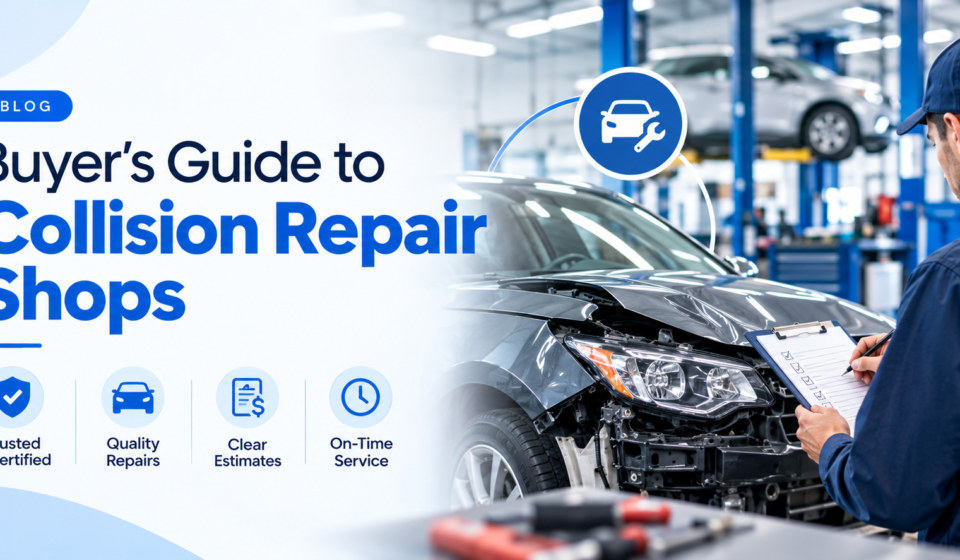
Not all shops are equal, even the ones with a big parking lot and a flashy sign. Here’s a straightforward checklist when evaluating your options:
Certifications matter more than marketing. Look for I-CAR® Gold Class certification. It signals ongoing, industry-standard training for technicians. I-CAR® Platinum designation for individual techs takes it a step further. OEM certification means the shop trains specifically for your vehicle’s make. Technicians learn the manufacturer’s repair process, tools, and specifications inside out.
Ask about parts. A reputable shop uses OEM (Original Equipment Manufacturer) parts, not cheap aftermarket alternatives. Aftermarket parts often don’t fit right and may not hold up over time. If a shop gets vague about this, that’s worth noting.
Warranty on repairs. Any shop confident in its work offers a warranty. Lifetime warranties are the gold standard. They signal that the shop stands behind what it does.
Communication and transparency. This one is underrated. The best shops keep you updated throughout the process, not just when your car is ready. Ask how they communicate and whether you’ll have a dedicated point of contact.
Turnaround time and towing. Accidents don’t happen on schedule. Shops that offer 24-hour towing and give honest timelines upfront are simply easier to work with.
A Note on Specialty Vehicles
If you drive a Tesla, a luxury vehicle, or anything under a manufacturer’s warranty, your choice of shop becomes even more critical. Taking your car to a non-certified facility can void certain warranty protections. Repairs may not meet the manufacturer’s specs, which affects both safety and resale value. Always verify whether the shop holds OEM certification for your specific make.
Why Spectrum Auto Inc. Is Worth Your Consideration
With over 30 years of serving New York drivers across locations in West Nyack, Cortlandt, and Wurtsboro, Spectrum Auto Inc. has built its reputation on technical excellence and consistent customer satisfaction. The shop holds I-CAR® Gold Class designation and employs I-CAR® Platinum certified technicians. It also carries OEM Certified Collision Center status across multiple manufacturers, Tesla included. Spectrum Auto works directly with all major insurers, managing the claims process end-to-end so you don’t have to chase paperwork.
For anyone searching for dependable collision repair service in the New York area, Spectrum Auto brings certifications, partnerships, and three decades of hands-on experience under one roof. Backed by the CARSTAR network and a national warranty, they treat every repair with the same care. Because your car deserves nothing less.
Frequently Asked Questions
- Can I choose my own collision repair shop even if my insurer recommends a different one?
Yes, in most states you have the legal right to choose any licensed repair facility. No one can force you to use a preferred or recommended shop. Your insurer covers the work as long as the shop meets their standard terms.
- What does it mean when a shop is on a Direct Repair Program with an insurer?
It means the shop has a working relationship with that company. They handle estimates, documentation, and communication directly with the adjuster. This speeds up the process and takes the administrative burden off you entirely.
- How do I know if a collision repair service uses quality parts?
Ask directly. A reputable collision repair service will tell you clearly whether they use OEM or aftermarket parts. Shops with manufacturer OEM certifications use only approved parts as part of meeting those standards.
- Why do certifications like I-CAR® Gold Class matter?
I-CAR® Gold Class is an industry-recognized standard that requires shops to keep up with ongoing technical training across all roles. It’s not a one-time credential. Shops earn it continuously, year after year. That matters especially as vehicle technology keeps changing.