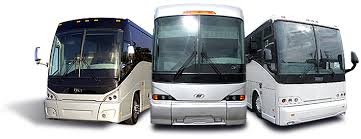

Group travel becomes much easier when transportation is planned around the needs of everyone rather than around individual vehicles. Whether we are organizing a corporate event, wedding, school outing, family gathering, airport transfer, sporting event, concert, or sightseeing trip, getting everyone to the destination on time can quickly become complicated. Different drivers, multiple cars, parking limitations, traffic delays, and unfamiliar routes can create unnecessary stress. Professional group transportation offers a practical alternative that keeps travelers together and makes the entire journey more organized.
When considering Bus Rental Toronto, we can choose transportation based on our group size, itinerary, comfort requirements, luggage needs, and event schedule. Instead of asking every passenger to arrange their own transportation, we can establish coordinated pickup points and a shared travel plan. This creates a smoother experience from the first departure to the final return.
The benefits go beyond convenience. Group transportation can improve scheduling, simplify communication, reduce the number of vehicles traveling together, and provide passengers with a comfortable place to relax during the journey. With the right vehicle and a well-planned itinerary, transportation can become one of the easiest parts of organizing a group event.
1. Keep the Entire Group Together
One of the biggest advantages of professional group transportation is that everyone can travel together. When a group relies on separate cars, people may arrive at different times or take different routes. Even a small delay can affect the schedule for everyone else.
A shared bus creates one coordinated transportation plan. We can establish a departure location, communicate the meeting time, and allow the group to travel as one unit. This is particularly valuable for weddings, conferences, school trips, and organized tours where punctuality matters.
Keeping everyone together also makes it easier to manage changes during the day. If the itinerary changes, the group does not need to coordinate several independent drivers. Everyone can receive the same instructions and follow the same schedule.
2. Reduce the Stress of Driving
Driving in a busy metropolitan area can be tiring, particularly when travelers are unfamiliar with the roads or are responsible for navigating during peak traffic.
Professional group transportation allows passengers to leave the driving responsibilities to a qualified driver. Instead of concentrating on directions, traffic, parking, and timing, passengers can use the travel time to relax, talk with other members of the group, prepare for an event, or simply enjoy the journey.
This is especially helpful when the trip involves multiple stops or a long day. By removing the need for several people to drive, the group can focus more attention on the actual purpose of the trip.
3. Make Large Events Easier to Organize
Large events require careful coordination. Transportation can become one of the most challenging elements when dozens of guests need to arrive at the same venue.
A group bus provides a centralized transportation solution. Event organizers can establish specific pickup locations and departure times rather than asking every attendee to arrange transportation independently.
For weddings, this can help move guests between hotels, ceremony locations, reception venues, and other scheduled stops. For corporate events, a bus can transport employees from offices, hotels, or designated meeting points to conferences and business functions.
The same principle applies to educational trips, sporting events, and private celebrations. A shared vehicle gives organizers greater control over the transportation schedule.
4. Improve Scheduling and Punctuality
Timing is critical for many group activities. Missing a scheduled departure can affect reservations, event access, tour schedules, or business meetings.
Coordinated transportation creates a clear schedule for everyone. Instead of managing multiple independent arrival times, we can establish one departure plan and communicate it to all passengers.
Good planning should include realistic travel time, expected traffic conditions, loading time, and potential delays. Building some flexibility into the schedule can make the journey more reliable without creating unnecessary waiting periods.
When evaluating Bus Rental Toronto services, we should therefore consider not only the vehicle but also how well the transportation plan fits the complete itinerary.
5. Create a More Comfortable Travel Experience
Comfort becomes increasingly important as travel time increases. A short transfer may require only basic seating, while a full-day trip demands a much more comfortable environment.
Depending on the vehicle, group transportation can provide features such as reclining seats, climate control, overhead storage, charging ports, entertainment systems, reading lights, and additional luggage compartments.
Comfort also comes from having enough room for everyone. Selecting a vehicle according to the actual passenger count helps prevent overcrowding and gives travelers a more pleasant experience.
For longer journeys, passengers can use the travel time to rest rather than dealing with the fatigue associated with driving.
6. Simplify Airport Transportation
Airport transfers are an excellent example of where group transportation can make a significant difference. Traveling with a large group and multiple pieces of luggage can be difficult when everyone uses separate vehicles.
A coordinated bus can bring passengers together and provide dedicated space for luggage, depending on the vehicle selected.
This arrangement can also simplify departure planning. Instead of asking everyone to arrange individual rides and arrive at different times, the group can meet at a predetermined pickup location and travel together.
For returning passengers, a shared transportation plan can similarly make it easier to move from the airport to hotels, residences, or event locations.
7. Make Weddings More Organized
Weddings often involve several locations and a large number of guests. Guests may stay at different hotels, while the ceremony and reception may take place at separate venues.
Coordinated group transportation can simplify these movements. Guests can travel together according to a planned schedule, reducing the likelihood of late arrivals or confusion about directions.
Transportation can also be useful for the wedding party itself. Instead of assigning individual driving responsibilities, the wedding party can travel together between locations.
This allows everyone to focus on the celebration rather than worrying about parking, navigation, or arranging transportation after the event.
8. Support Corporate Events and Business Travel
Corporate transportation requires professionalism, punctuality, and organization. Employees, clients, speakers, and business partners may need transportation between hotels, offices, conference centers, restaurants, and event venues.
A dedicated group vehicle provides a centralized solution that can simplify the schedule.
During longer journeys, passengers may also use their travel time productively. Depending on the vehicle’s amenities, travelers can review presentations, communicate with colleagues, or simply prepare for upcoming meetings.
For corporate planners, having one transportation schedule can also make event management easier because fewer individual transportation arrangements need to be monitored.
9. Improve Group Communication
Communication becomes more difficult when people are spread across multiple vehicles.
With everyone traveling together, announcements and itinerary updates can be communicated more easily. If the meeting location changes or the departure time needs to be adjusted, the group can receive the same information at once.
This is especially useful for event organizers who need to coordinate a large number of passengers.
A shared transportation environment also encourages social interaction. Friends, relatives, coworkers, classmates, or teammates can spend time together before reaching the destination.
10. Reduce the Number of Vehicles Required
One large group vehicle can replace numerous individual cars. This can simplify arrival and departure logistics while reducing the number of vehicles that need to be coordinated.
Fewer vehicles can mean fewer drivers to contact, fewer parking arrangements to consider, and fewer opportunities for people to become separated.
For event venues with limited parking, reducing the number of cars can also make arrival procedures more manageable.
The exact benefits depend on the event location and transportation plan, but consolidation is one of the strongest practical advantages of group travel.
11. Make Sightseeing More Enjoyable
Sightseeing trips often involve multiple destinations. If every traveler drives independently, attention may be divided between navigating, finding parking, checking directions, and keeping up with the itinerary.
Group transportation allows passengers to focus on the experience.
A shared bus can serve as a comfortable base between attractions, particularly when the trip covers several locations in one day. Travelers can spend the journey discussing what they have seen, resting between stops, or preparing for the next activity.
This can be especially valuable for family groups and organized tours where travelers want to maximize their time at the destination.
12. Provide Useful Storage Space
Luggage and equipment can create problems when groups rely on personal vehicles. Not every car has enough trunk space for everyone’s belongings.
The appropriate bus can provide additional storage depending on its design. This can be useful for airport transfers, sports teams, school groups, overnight trips, and events where passengers need to carry additional items.
Before booking, we should estimate the amount of luggage and equipment rather than relying solely on the number of seats. A vehicle with adequate passenger capacity may still be unsuitable if there is insufficient storage.
13. Accommodate Different Group Sizes
Group transportation is not limited to very large groups. Different vehicles are available for different passenger requirements.
A smaller group may find a minibus more practical, while a larger group may require a full-size charter bus. Choosing the appropriate vehicle helps balance capacity, comfort, maneuverability, and cost.
We should avoid booking a vehicle simply because it has the lowest advertised price. Instead, we should compare the complete requirements of the trip and select a vehicle that provides enough room without unnecessary capacity.
14. Make Long-Distance Travel More Practical
Long-distance group travel can be exhausting when multiple people are driving independently.
A dedicated bus provides an opportunity for passengers to relax during the journey. Instead of focusing on the road, they can use the time to rest, socialize, or enjoy onboard amenities where available.
For extended journeys, details such as seat comfort, climate control, luggage storage, charging options, and restroom availability can become particularly important.
The longer the trip, the more carefully we should evaluate the vehicle’s features.
15. Help Simplify Parking and Arrival Logistics
Parking can be a significant concern at busy venues and popular destinations. A large group arriving in numerous cars may require multiple parking spaces and additional coordination.
A shared bus reduces the number of vehicles involved. Depending on the venue, the transportation provider can coordinate suitable drop-off and pickup arrangements.
This does not eliminate the need for planning. We should still confirm where buses can safely load and unload passengers and whether the venue has restrictions on larger vehicles.
Advance planning is particularly important for busy event days.
16. Offer a Better Experience for Group Leaders
Organizers often carry much of the responsibility for keeping a group on schedule. When every traveler handles transportation independently, organizers may spend valuable time answering questions about directions, parking, pickup locations, and arrival times.
A centralized transportation plan reduces some of this burden.
Once the group understands the meeting location and departure schedule, transportation becomes much easier to manage. This gives event organizers more time to focus on the event itself.
For professional planners, this can be especially valuable when coordinating multiple activities within a limited timeframe.
17. Improve Safety Through Organized Transportation
Safety should always be part of group transportation planning. Professional transportation can provide a structured travel arrangement where passengers travel together rather than using numerous individual vehicles.
We should select reputable transportation providers, confirm vehicle suitability, and communicate any special passenger requirements before the trip.
It is also important to follow passenger safety instructions throughout the journey and ensure that luggage does not obstruct aisles or emergency access areas.
Good preparation supports a safer and more comfortable travel experience.
18. Make Seasonal Travel More Convenient
Toronto travel can involve changing weather conditions throughout the year. Seasonal conditions may affect driving comfort, traffic, and travel times.
During colder months, passengers may prefer not to deal with winter driving themselves. During warmer periods, climate-controlled transportation can make longer journeys more comfortable.
A professionally planned group trip allows passengers to focus on their destination instead of worrying about every aspect of the drive.
We should still allow additional travel time when seasonal conditions could affect the itinerary.
19. Choose Transportation Around the Complete Itinerary
The best group transportation decision begins with the full travel plan.
We should identify:
- Number of passengers
- Pickup locations
- Destination
- Number of stops
- Trip duration
- Luggage requirements
- Accessibility needs
- Desired amenities
- Parking and loading conditions
- Expected travel times
- Return transportation requirements
Once these details are established, selecting the appropriate vehicle becomes considerably easier.
A transportation provider can then recommend a vehicle that fits the actual requirements rather than relying on a generic solution.
20. Get Better Value From Group Travel
The value of group transportation is not determined only by the rental price. We should consider what the transportation solution provides for the entire group.
A vehicle that accommodates everyone, supports the itinerary, provides sufficient storage, and reduces the need for multiple cars can offer substantial practical value.
When we compare options, we should look at the complete package rather than focusing on one number. Capacity, convenience, comfort, schedule coordination, and included amenities all contribute to the overall value.
How to Choose the Right Group Transportation
Before making a booking, we should create a simple transportation checklist.
First, determine the final passenger count. Next, estimate luggage and equipment. Then review the complete route and identify every planned stop.
After that, decide which amenities are important. A short transfer may require only comfortable seating and climate control, while a long-distance trip may benefit from additional features.
We should also confirm accessibility requirements and discuss them before selecting the vehicle.
Finally, review the complete cost and transportation terms so that there are no unexpected misunderstandings about the itinerary.
Taking these steps makes the booking process more straightforward and increases the likelihood of choosing a vehicle that works well for everyone.
Questions to Ask Before Booking
Before confirming transportation, we should ask the provider several practical questions:
- What vehicle will be provided?
- How many passengers can it accommodate?
- How much luggage storage is available?
- Which amenities are included?
- Is the vehicle suitable for our itinerary?
- Are accessibility options available if required?
- What are the pickup and drop-off arrangements?
- How is the total rental price calculated?
- What happens if the itinerary changes?
- How much additional time should we allow for traffic and loading?
Clear answers to these questions can help us compare options more accurately.
Common Group Transportation Mistakes to Avoid
One common mistake is waiting until the last minute to arrange transportation. Popular dates and major events can create high demand, making early planning beneficial.
Another mistake is underestimating luggage. A group may have enough seats but still lack sufficient storage.
We should also avoid assuming that every vehicle provides identical amenities. Vehicle specifications can vary, so important features should be confirmed in advance.
Finally, we should not create an overly complicated itinerary without allowing enough time between stops. A realistic schedule provides passengers and the driver with enough flexibility to handle normal traffic and loading conditions.
Conclusion
Booking professional group transportation can transform a complicated travel plan into a more organized and comfortable experience. Instead of coordinating numerous cars and individual drivers, we can bring passengers together under one transportation schedule.
The benefits include greater convenience, improved coordination, passenger comfort, simplified logistics, easier communication, and more efficient group travel. Whether we are organizing a wedding, corporate function, school outing, airport transfer, sports event, or sightseeing trip, the right vehicle can make the journey considerably easier.
The key is to select transportation according to the group’s actual requirements. Passenger count, luggage, route, duration, accessibility, amenities, and budget should all be considered before booking. With careful planning, Bus Rental Toronto can provide a practical transportation solution that allows the entire group to travel together while making better use of time and reducing unnecessary stress.
FAQs
1. What are the main benefits of booking group transportation?
The main benefits include keeping everyone together, simplifying scheduling, reducing individual driving responsibilities, improving travel comfort, and making event logistics easier to manage. Group transportation can also reduce the number of cars required for an event.
2. Is group transportation suitable for small groups?
Yes. Group transportation can work well for smaller groups when the vehicle is appropriately sized. A minibus or smaller vehicle can provide convenient transportation without requiring everyone to drive separately.
3. Can group transportation be used for weddings and corporate events?
Absolutely. Weddings and corporate events are among the situations where coordinated transportation can be particularly useful. Guests, employees, clients, and event participants can travel between hotels, venues, offices, and other scheduled locations according to one organized itinerary.
4. How should we choose the right bus size?
We should consider passenger count first, followed by luggage, equipment, trip duration, and desired comfort level. Choosing a vehicle with some additional capacity can provide greater flexibility and prevent overcrowding.
5. What should we check before booking a group bus?
We should confirm the vehicle type, passenger capacity, luggage space, amenities, accessibility features, pickup locations, itinerary, rental terms, and complete pricing. Confirming these details in advance helps ensure that transportation matches the group’s needs.
For more information: Airlink Tours Niagara Falls Toronto