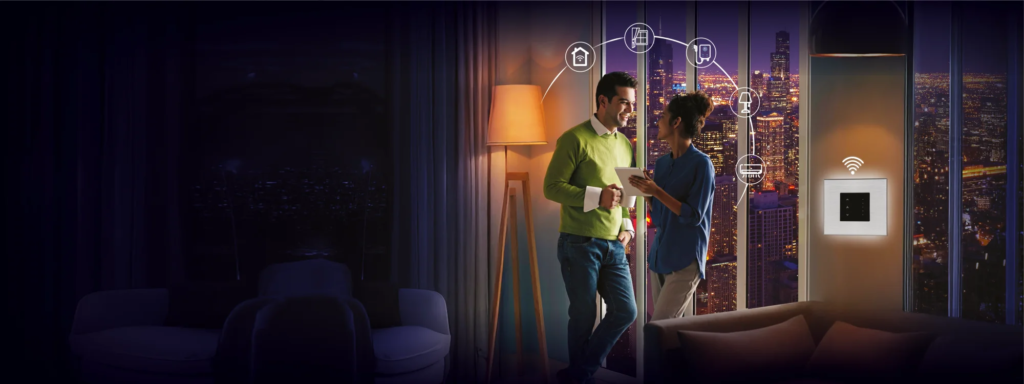
Modern lifestyles are increasingly shaped by convenience, efficiency, and connectivity. As technology continues to evolve, homes are transforming from simple living spaces into intelligent environments that respond to the needs of their occupants. Connected technologies enable homeowners to manage lighting, security, climate control, entertainment, and energy consumption through integrated digital platforms. These innovations not only improve comfort but also enhance safety and sustainability. With growing demand for seamless and personalized experiences, smart living solutions are becoming an essential part of residential design, helping create homes that are more responsive, efficient, and future-ready.
The Evolution of Connected Living
The concept of connected living has advanced significantly over the past decade. What once required separate systems and manual controls can now be managed through centralized platforms that provide real-time access and automation.
Today’s homeowners expect greater control over their living environments. They seek solutions that simplify daily routines, reduce energy consumption, and improve overall quality of life. Connected technologies make this possible by linking devices and systems through intelligent networks that communicate and operate together.
From lighting and appliances to security and energy management, connected homes offer a level of convenience that was previously unimaginable.
Understanding Home Automation
Home automation refers to the use of technology to automatically control and manage various household functions. These systems allow devices to communicate with one another and respond to user preferences or environmental conditions.
Modern Home automation systems can manage multiple functions, including:
- Lighting control
- Climate management
- Security monitoring
- Entertainment systems
- Energy management
- Appliance operation
By integrating these functions into a unified platform, homeowners can enjoy greater efficiency and convenience throughout their living spaces.
Benefits of Connected Technologies
Connected technologies provide numerous advantages that enhance both everyday living and long-term property value.
- Improved Convenience
Automation eliminates many repetitive tasks, allowing systems to operate automatically based on schedules, occupancy, or user preferences.
- Enhanced Comfort
Personalized settings enable occupants to create ideal living environments tailored to their needs.
- Increased Efficiency
Automated controls help optimize resource usage and reduce unnecessary energy consumption.
- Greater Accessibility
Remote access allows homeowners to monitor and manage their homes from virtually anywhere.
These benefits continue to drive the growing adoption of connected living solutions across residential developments.
Creating Intelligent Living Environments
Modern homes are becoming increasingly intelligent through the integration of connected technologies.
- Automated Lighting
Lighting systems can adjust automatically based on occupancy, time of day, or natural light availability.
- Climate Control
Smart temperature management helps maintain comfortable indoor conditions while reducing energy waste.
- Entertainment Integration
Connected systems allow users to manage audio, video, and multimedia devices from centralized interfaces.
- Appliance Coordination
Household appliances can operate more efficiently by communicating with broader automation networks.
The implementation of smart home automation enables these systems to work together seamlessly, creating a more responsive and user-friendly living environment.
Enhancing Home Security
Security remains one of the primary reasons homeowners invest in connected technologies.
- Real-Time Monitoring
Modern systems provide continuous visibility into property conditions and activity.
- Remote Access
Homeowners can monitor security systems and receive alerts regardless of their location.
- Automated Responses
Security devices can trigger predefined actions when unusual activity is detected.
- Improved Peace of Mind
Enhanced visibility and control contribute to greater confidence in home safety.
The integration of connected security solutions helps protect both occupants and property while supporting a more secure lifestyle.
Energy Management and Sustainability
Energy efficiency has become an important consideration for homeowners seeking to reduce utility costs and minimize environmental impact.
- Monitoring Energy Consumption
Connected technologies provide detailed insights into energy usage patterns.
- Optimized Resource Utilization
Automation helps ensure that energy-consuming systems operate only when necessary.
- Reduced Utility Expenses
Improved efficiency often results in lower energy bills and long-term cost savings.
- Support for Sustainable Living
Efficient resource management contributes to reduced environmental impact.
Advanced Home automation systems play a key role in helping homeowners achieve both economic and sustainability objectives.
The Role of Connectivity in Modern Homes
Reliable connectivity serves as the foundation of every intelligent living environment.
- Device Communication
Connected devices share information and coordinate actions to improve overall performance.
- Centralized Control
Homeowners can manage multiple systems through unified interfaces.
- Data-Driven Optimization
Continuous data collection supports more informed decision-making and system improvements.
- Future Scalability
Connected platforms allow new devices and technologies to be integrated as needs evolve.
Strong connectivity ensures that smart living solutions remain effective, flexible, and adaptable over time.
Personalization and User Experience
One of the greatest advantages of connected technologies is their ability to deliver personalized experiences.
- Customized Settings
Users can create individualized preferences for lighting, temperature, and entertainment systems.
- Automated Routines
Systems can perform specific actions automatically based on schedules or routines.
- Adaptive Learning
Advanced technologies can learn user preferences and adjust operations accordingly.
- Seamless Interaction
Integrated controls simplify the management of multiple household functions.
The capabilities offered by smart home automation contribute to more intuitive and enjoyable living experiences.
Supporting Modern Lifestyles
As work, education, and entertainment increasingly take place within the home, connected technologies help support evolving lifestyle requirements.
- Flexible Living Spaces
Automation allows rooms to adapt to different functions throughout the day.
- Enhanced Productivity
Optimized lighting, climate control, and connectivity contribute to more productive environments.
- Improved Wellness
Comfort-focused technologies help create healthier and more enjoyable living conditions.
- Better Time Management
Automated systems reduce the need for manual adjustments and routine tasks.
These benefits make connected technologies valuable for households of all sizes and lifestyles.
Challenges and Considerations
While connected living offers significant advantages, successful implementation requires careful planning.
- System Compatibility
Devices should be capable of communicating effectively within a unified ecosystem.
- Network Reliability
Stable connectivity is essential for consistent system performance.
- Security and Privacy
Protecting digital systems and user data remains a critical consideration.
- Future Expansion
Solutions should be flexible enough to accommodate emerging technologies and changing needs.
Addressing these factors helps ensure a positive and sustainable connected living experience.

Future Trends in Connected Living
The future of residential technology will be shaped by continued innovation and digital transformation.
Emerging developments include:
- Artificial Intelligence Integration
Smart systems will become more capable of learning and adapting to user preferences.
- Advanced Energy Optimization
Greater focus will be placed on efficient energy usage and sustainability.
- Voice and Gesture Controls
Natural interaction methods will continue to improve accessibility and convenience.
- Expanded Device Ecosystems
More connected products will become available, creating broader opportunities for integration.
As these technologies mature, the capabilities of Home automation systems will continue to expand, offering even greater value to homeowners.
Conclusion
Connected technologies are transforming residential spaces into intelligent environments that prioritize convenience, comfort, efficiency, and security. Through advanced integration and automation, homeowners can enjoy greater control over their living spaces while reducing energy consumption and enhancing daily experiences. Solutions powered by smart home automation enable seamless interaction between devices, creating homes that are adaptable, responsive, and future-ready. As the demand for connected living continues to grow, Lauritz Knudsen Electrical & Automation remains committed to supporting innovative and reliable solutions that help build smarter, more efficient, and technologically advanced living environments for the future.