
Introduction
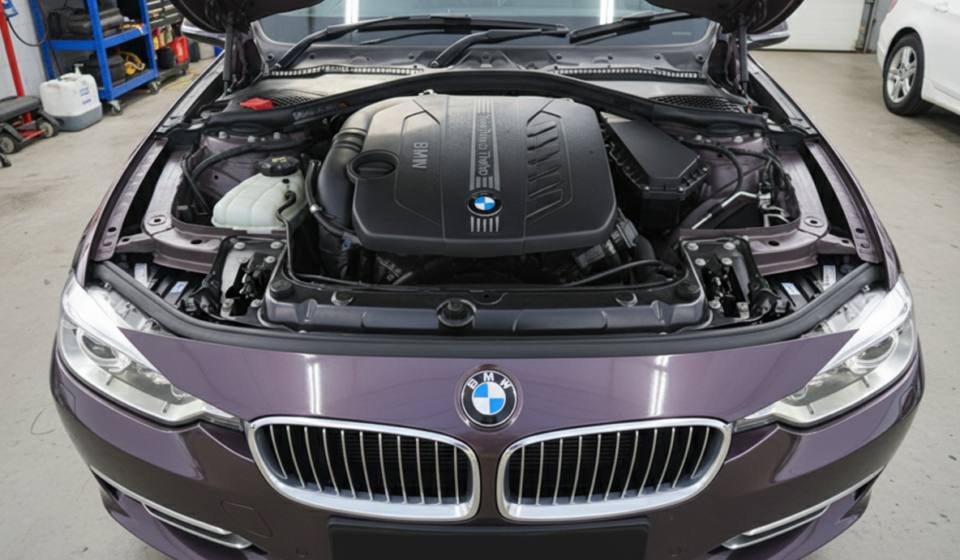
BMW engines are widely regarded as some of the most advanced and performance-oriented power units in the automotive world. Known for their precision engineering, smooth power delivery, and cutting-edge technology, BMW engines have played a major role in shaping the brand’s reputation as a leader in luxury and performance vehicles. From compact cars to high-performance sports models, BMW has consistently developed engines that balance power, efficiency, and driving pleasure.
This article explores the design, technology, types, and innovations behind BMW engines, highlighting why they remain a benchmark in the global automotive industry.
History of BMW Engines
BMW’s journey in engine development dates back to the early 20th century when the company initially focused on aircraft engines. This aviation background heavily influenced its engineering philosophy, emphasizing high power output, lightweight construction, and reliability.
After World War I, BMW transitioned into motorcycle and automobile production. The company’s early automotive engines were known for their durability and smooth operation. Over the decades, BMW continuously refined its engine technology, introducing inline-six engines that became a signature of the brand.
By the 1970s and 1980s, BMW had established itself as a premium manufacturer, with engines designed for both luxury comfort and sports performance. The introduction of turbocharging and advanced fuel injection systems further enhanced BMW’s engineering reputation.
BMW Engine Design Philosophy
BMW follows a clear engineering philosophy often summarized as “Efficient Dynamics.” This concept focuses on delivering maximum performance with minimum fuel consumption and emissions.
Key principles include:
- Lightweight engine construction using aluminum and magnesium alloys
- Optimized combustion efficiency
- Advanced aerodynamics and friction reduction
- Balanced power-to-efficiency ratio
- Driver-focused performance tuning
This philosophy ensures that BMW engines are not only powerful but also environmentally responsible and efficient.
Types of BMW Engines
BMW produces a wide range of engines designed for different vehicle categories and performance needs.
1. Inline Engines
BMW is famous for its inline engines, particularly the inline-4 and inline-6 configurations.
- Inline-4 engines are commonly used in entry-level and mid-range BMW models. They provide a good balance of efficiency and performance.
- Inline-6 engines are considered BMW’s signature design. They are known for smooth operation, excellent balance, and high performance output.
2. V-Type Engines
BMW also develops V6, V8, and V12 engines for high-performance and luxury vehicles.
- V8 engines are used in powerful models like the M series and luxury sedans.
- V12 engines are reserved for flagship luxury vehicles, offering exceptional smoothness and power.
3. Diesel Engines
BMW diesel engines are designed for high torque and fuel efficiency. They are widely used in long-distance driving and commercial applications. These engines combine turbocharging with advanced fuel injection systems to reduce emissions while maintaining strong performance.
4. Hybrid and Electric Powertrains
With the rise of electrification, BMW has introduced hybrid engines that combine internal combustion with electric motors. These systems improve fuel efficiency and reduce environmental impact. BMW’s fully electric lineup is also expanding, reflecting the brand’s commitment to future mobility.
TwinPower Turbo Technology
One of the most important innovations in BMW engines is the TwinPower Turbo system. This technology combines turbocharging with advanced fuel injection and variable valve timing.
Key benefits include:
- Increased engine power without increasing engine size
- Improved fuel efficiency
- Faster throttle response
- Reduced emissions
TwinPower Turbo technology allows smaller engines to produce the power of larger ones, making BMW vehicles both powerful and efficient.
Performance and Driving Experience
BMW engines are designed to deliver an engaging driving experience. The brand is famous for its “Ultimate Driving Machine” slogan, which reflects its focus on performance and driver satisfaction.
Key performance features include:
- Rapid acceleration and smooth power delivery
- High-revving engine capability
- Precise throttle response
- Balanced weight distribution for better handling
BMW engines are tuned to provide a sporty feel, making them popular among driving enthusiasts worldwide.
Fuel Efficiency and Environmental Focus
Modern BMW engines are engineered to meet strict environmental standards. The company has invested heavily in reducing fuel consumption and carbon emissions.
Technologies supporting efficiency include:
- Direct fuel injection systems
- Start-stop engine technology
- Lightweight materials
- Aerodynamic optimization
- Hybrid integration
These innovations allow BMW engines to deliver strong performance while minimizing environmental impact.
Reliability and Maintenance
BMW engines are built with high-quality materials and precision manufacturing techniques. However, like all high-performance engines, they require proper maintenance to ensure long-term reliability.
Common maintenance practices include:
- Regular oil changes with recommended synthetic oils
- Timely replacement of filters and spark plugs
- Cooling system maintenance
- Routine diagnostic checks
When properly maintained, BMW engines can last for many years while maintaining strong performance.
Technological Innovations
BMW continuously introduces new technologies to improve engine performance and efficiency. Some notable innovations include:
- Valvetronic system: Adjusts valve lift for better fuel control
- Double VANOS: Variable valve timing system for improved performance
- High-precision injection: Enhances fuel combustion efficiency
- Lightweight construction materials: Reduce engine weight and improve handling
These technologies reflect BMW’s commitment to engineering excellence and innovation.
Future of BMW Engines
The future of BMW engines is moving toward electrification and sustainability. While traditional combustion engines will continue to exist for some time, BMW is increasingly focusing on hybrid and fully electric systems.
Future developments include:
- Expansion of electric vehicle platforms
- More efficient hybrid powertrains
- Advanced battery technology
- AI-assisted engine management systems
BMW aims to maintain its performance identity while adapting to global environmental demands.
For more information.