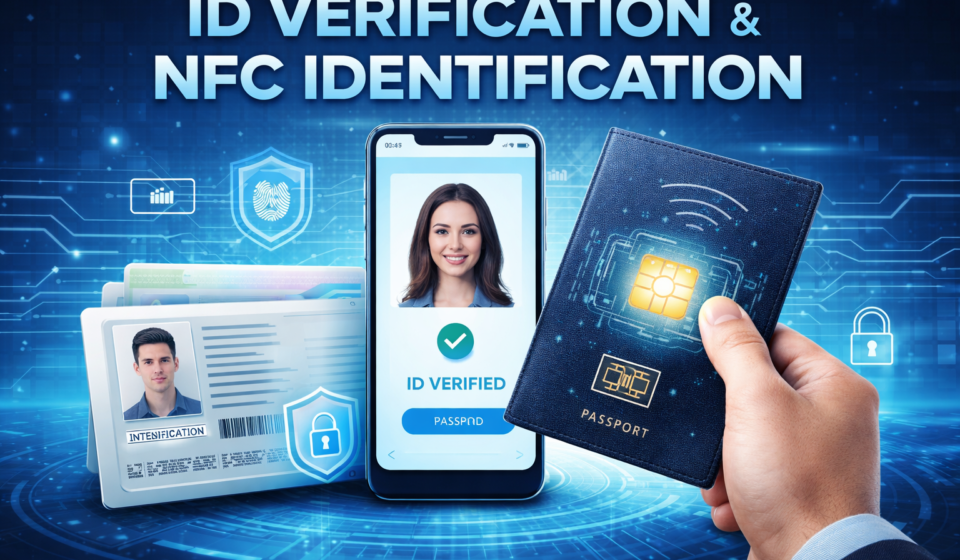
Biometric Authentication Services and Identity Verification Services: The Future of Secure Digital Access

In today’s fast-paced digital landscape, businesses must ensure secure, seamless, and reliable user authentication. With the rise in cyber threats, fraud, and identity theft, traditional authentication methods like passwords and PINs are no longer sufficient. This is where biometric authentication services and identity verification services come into play. These advanced technologies provide a robust and user-friendly approach to safeguarding sensitive data and ensuring genuine user access.
What Are Biometric Authentication Services?
Biometric authentication services use unique biological traits to verify an individual’s identity. These traits include fingerprints, facial features, iris patterns, and voice recognition. Unlike passwords, which can be forgotten or stolen, biometric data is unique to each individual and extremely difficult to replicate.
Common types of biometric authentication include:
- Fingerprint Recognition – Widely used in smartphones and access control systems
- Facial Recognition – Used in banking apps, airports, and security systems
- Voice Recognition – Ideal for remote authentication and call centers
- Iris Scanning – Offers high-level security for sensitive environments
These methods not only improve security but also enhance user convenience by enabling quick and password-free access.
Understanding Identity Verification Services
Identity verification service ensure that a person is who they claim to be. These services are essential for industries like banking, fintech, healthcare, and e-commerce. They help businesses comply with regulations such as KYC (Know Your Customer) and AML (Anti-Money Laundering).
Modern identity verification solutions use a combination of technologies, including:
- Document verification (passport, Aadhaar, driver’s license)
- Facial matching and liveness detection
- Database cross-checking
- AI-powered fraud detection
By integrating these methods, businesses can prevent fake identities, reduce fraud, and maintain compliance with global regulations.
Benefits of Biometric Authentication Services
1. Enhanced Security
Biometric authentication significantly reduces the risk of unauthorized access. Since biometric traits are unique, they cannot be easily duplicated or shared.
2. Improved User Experience
Users no longer need to remember complex passwords. A simple fingerprint or facial scan provides instant access, making the process smooth and efficient.
3. Fraud Prevention
Combining biometric authentication with identity verification services helps detect and prevent identity fraud, account takeovers, and phishing attacks.
4. Faster Verification Process
Biometric systems can verify identities within seconds, reducing onboarding time and improving operational efficiency.
5. Regulatory Compliance
Businesses can meet KYC and AML requirements by implementing secure identity verification systems.
How Biometric Authentication Enhances Identity Verification
When biometric authentication services are integrated with identity verification services, they create a powerful security framework. For example, during user onboarding:
- The user uploads an identity document
- The system verifies the document’s authenticity
- A facial scan is performed
- The system matches the face with the ID photo
- Liveness detection ensures the user is physically present
This multi-layered approach ensures that the identity is genuine and prevents fraud attempts using stolen or fake documents.
Use Cases Across Industries
Banking and Fintech
Banks use biometric authentication for secure login, transaction approvals, and customer onboarding. Identity verification ensures compliance with KYC norms.
Healthcare
Hospitals use biometric systems to protect patient records and ensure accurate identification.
E-commerce
Online platforms use identity verification to prevent fake accounts and fraudulent transactions.
Travel and Hospitality
Airports and hotels use facial recognition for seamless check-ins and enhanced security.
Government Services
Governments use biometric systems for citizen identification, welfare distribution, and secure access to services.
Key Features to Look for in a Solution
When choosing a biometric authentication and identity verification service provider, consider the following features:
- AI-powered fraud detection
- Real-time verification
- Multi-modal biometrics (face, fingerprint, voice)
- Liveness detection technology
- API integration for easy deployment
- Compliance with global security standards
These features ensure a reliable and scalable solution that meets business needs.
Challenges and Considerations
While biometric authentication services offer numerous benefits, there are some challenges to consider:
- Privacy Concerns – Handling sensitive biometric data requires strict data protection measures
- Implementation Costs – Initial setup can be expensive for small businesses
- Accuracy Issues – Poor lighting or environmental factors can affect performance
However, with advancements in AI and machine learning, these challenges are being addressed effectively.
The Future of Biometric Authentication and Identity Verification
The future of biometric authentication services and identity verification services looks promising. With continuous advancements in artificial intelligence, deep learning, and blockchain, these systems are becoming more secure and efficient.
Emerging trends include:
- Contactless biometrics
- Behavioral biometrics (typing patterns, gestures)
- Decentralized identity systems
- Integration with IoT devices
These innovations will further enhance security while maintaining a seamless user experience.
Conclusion
Biometric authentication services and identity verification services are transforming the way businesses secure digital interactions. By combining advanced technology with user-friendly processes, they offer a powerful solution to combat fraud and ensure trust.
As cyber threats continue to evolve, adopting biometric and identity verification solutions is no longer optional—it is essential. Businesses that invest in these technologies will not only enhance security but also build stronger customer trust and stay ahead in the competitive digital landscape.