
Glaucoma is a group of eye conditions that can gradually damage the optic nerve, often without noticeable symptoms in the early stages. Because vision loss caused by glaucoma may be permanent, timely eye examinations and appropriate treatment are important for protecting sight.
For people looking for the best glaucoma specialist in delhi, understanding how glaucoma is diagnosed, monitored, and treated can make it easier to approach eye care with the right expectations. A glaucoma specialist evaluates the condition using several tests rather than relying on a single measurement and develops a treatment plan according to the individual patient’s eye health.
What Is Glaucoma?
Glaucoma is an eye disease involving damage to the optic nerve, which carries visual information from the eye to the brain. Increased eye pressure is an important risk factor, but glaucoma can also occur when measured eye pressure is within the commonly accepted range.
The condition can develop slowly, and many people do not notice changes in their vision until significant damage has occurred. This is why routine eye examinations can be particularly valuable for people who have risk factors for glaucoma.
There are different forms of glaucoma, including:
- Primary open-angle glaucoma: The most common form, which usually develops gradually.
- Angle-closure glaucoma: Occurs when the drainage angle of the eye becomes blocked or closes.
- Normal-tension glaucoma: Optic nerve damage occurs even though eye pressure is not obviously elevated.
- Secondary glaucoma: Develops because of another eye condition, injury, medication, or other underlying factor.
- Congenital or childhood glaucoma: A less common form that develops during infancy or childhood.
The type of glaucoma influences the tests and treatment approach recommended by an eye specialist.
Why Early Glaucoma Detection Matters
Glaucoma is sometimes called a “silent” eye disease because early damage may not cause obvious symptoms. Peripheral vision can gradually become affected, while central vision may remain relatively clear during the initial stages.
Once glaucoma has caused permanent optic nerve damage, treatment generally cannot restore the lost vision. The main goal is to identify the disease early, reduce the risk of further damage, and preserve useful vision for as long as possible.
People with a family history of glaucoma, older adults, individuals with certain medical conditions, and those who have previously experienced eye trauma may require particular attention to glaucoma screening.
How Is Glaucoma Diagnosed?
A glaucoma assessment involves more than checking whether you can see clearly from an eye chart. A specialist may combine several examinations to understand the pressure inside the eye, the condition of the optic nerve, the drainage angle, and the patient’s visual field.
Eye Pressure Measurement
Tonometry measures intraocular pressure, commonly called IOP. Elevated pressure can increase the risk of optic nerve damage, although pressure alone does not confirm glaucoma.
A person can have high eye pressure without developing glaucoma, while others may experience optic nerve damage despite pressure readings that do not appear unusually high.
Optic Nerve Examination
The optic nerve is carefully examined for structural changes that may be associated with glaucoma. The appearance of the optic nerve can provide important information about possible damage.
Visual Field Testing
A visual field test evaluates how well a person can see objects in different areas of their field of vision. It can help identify areas of peripheral vision loss associated with glaucoma.
Because glaucoma-related changes can be subtle, visual field testing may also be repeated over time to monitor whether the condition is stable or progressing.
Gonioscopy
Gonioscopy allows the specialist to examine the drainage angle of the eye. This can help distinguish between different types of glaucoma and determine whether the angle is open or narrowed or closed.
Optical Coherence Tomography
Optical coherence tomography, commonly called OCT, provides detailed images of structures within the eye. In glaucoma care, it can help assess the retinal nerve fibre layer and other structures associated with the optic nerve.
OCT can be particularly useful for establishing a baseline and monitoring structural changes during follow-up visits.
What Should You Look for in a Glaucoma Specialist?
Choosing an eye specialist is a personal decision, but several practical factors can help patients understand what to consider.
Experience With Glaucoma Evaluation
Glaucoma requires careful interpretation of multiple findings. A specialist should be able to assess eye pressure alongside optic nerve appearance, visual field results, imaging, symptoms, medical history, and other relevant factors.
Appropriate Diagnostic Facilities
Access to suitable diagnostic equipment can support a detailed assessment. Depending on the patient’s situation, this may include tonometry, visual field testing, OCT, gonioscopy, and optic nerve evaluation.
Individualised Follow-Up
Glaucoma management is usually not a one-time process. Regular monitoring may be necessary to determine whether the disease remains stable and whether the treatment approach continues to be appropriate.
A good consultation should also give the patient an opportunity to understand the diagnosis, test results, treatment options, and recommended follow-up schedule.
Glaucoma Treatment Options
Treatment depends on the type and severity of glaucoma, the level of risk to the optic nerve, and other individual factors. A specialist may recommend one treatment or a combination of approaches.
Prescription Eye Drops
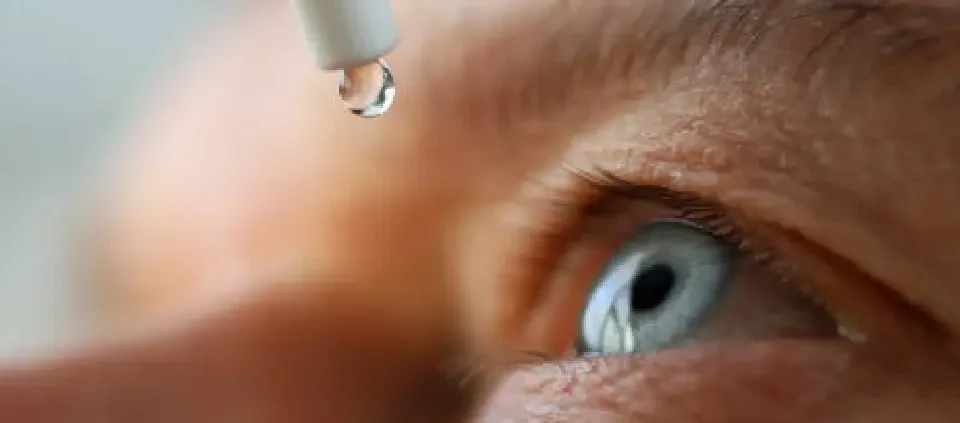
Eye drops are commonly used to lower intraocular pressure. Different medicines work in different ways, such as reducing fluid production inside the eye or improving fluid drainage.
Patients should use prescribed eye medication exactly as directed and discuss side effects or difficulties with their ophthalmologist rather than changing the treatment independently.
Laser Treatment
Certain types of glaucoma can be managed with laser procedures. The specific procedure depends on the type of glaucoma and the condition of the drainage system.
Laser treatment may be recommended as an alternative to, or alongside, medication in selected cases.
Glaucoma Surgery
When medicines or laser treatment do not provide adequate pressure control, surgery may be considered. Surgical options vary according to the patient’s condition and can include procedures designed to improve fluid drainage or reduce intraocular pressure.
The decision to undergo surgery should be based on a detailed discussion between the patient and ophthalmologist.
Why Regular Monitoring Is Important
Glaucoma management does not end when eye pressure improves. The optic nerve and visual field may need to be monitored over time.
During follow-up appointments, an ophthalmologist may compare current findings with earlier test results. This helps identify whether there are signs of progression and whether treatment needs to be adjusted.
Keeping previous test reports can therefore be useful, especially when patients see different eye-care professionals over time.
Everyday Eye Care for People With Glaucoma
Medical treatment remains central to glaucoma management, but patients can also take practical steps to support consistent care.
- Attend follow-up appointments as recommended.
- Take prescribed medicines consistently.
- Tell your ophthalmologist about other medicines you use.
- Report new or sudden changes in vision promptly.
- Keep copies of important eye-test reports when possible.
- Ask questions if you do not understand how to use an eye drop.
- Do not stop glaucoma medication without professional guidance.
It is also useful for patients to understand that glaucoma is generally managed rather than “cured” through a single treatment. Long-term monitoring helps doctors respond to changes and protect remaining vision.
When Should You Seek Urgent Eye Care?
Some forms of glaucoma can cause a sudden rise in eye pressure. Severe eye pain, sudden blurred vision, halos around lights, headache, nausea, vomiting, or a noticeably red eye can be warning signs of an acute eye problem requiring urgent medical assessment.
These symptoms can have several causes, so they should not be self-diagnosed. Prompt professional evaluation is particularly important when symptoms appear suddenly or are severe.
Finding the Right Glaucoma Care in Delhi
Delhi has a wide range of ophthalmology services, but patients should focus on finding care that matches their individual needs rather than choosing a specialist based only on a title or online description.
When consulting a glaucoma specialist, consider asking:
- What type of glaucoma or glaucoma risk do I have?
- What do my eye-pressure measurements indicate?
- Are there signs of optic nerve damage?
- Do I need a visual field test or OCT?
- How often should my eyes be monitored?
- What treatment options are appropriate for my condition?
- What should I do if I experience side effects from my medication?
Clear communication can help patients participate more confidently in long-term eye care.
Frequently Asked Questions
1. Can glaucoma be detected during a routine eye examination?
Yes. A comprehensive eye examination can identify findings that may indicate glaucoma or an increased risk of developing it. Depending on the findings, an ophthalmologist may recommend additional tests such as eye-pressure measurement, visual field testing, OCT, or gonioscopy.
2. Does high eye pressure always mean glaucoma?
No. High intraocular pressure is an important risk factor but does not by itself establish a diagnosis of glaucoma. Some people have elevated eye pressure without optic nerve damage, while glaucoma can also occur in people whose measured pressure is not particularly high.
3. Can glaucoma-related vision loss be reversed?
Vision already lost because of permanent optic nerve damage generally cannot be restored. Treatment focuses on controlling the factors that contribute to further damage and preserving the vision that remains.
4. How often should someone with glaucoma have follow-up examinations?
The appropriate follow-up interval varies according to the type and severity of glaucoma, treatment, eye-pressure control, and changes found during previous examinations. The treating ophthalmologist should determine the monitoring schedule for each patient.
5. Is glaucoma treatment always based on eye drops?
No. Depending on the condition, treatment may involve eye drops, laser procedures, surgery, or a combination of approaches. The appropriate option depends on the patient’s diagnosis and individual clinical findings.
Conclusion
Finding the best glaucoma specialist in Delhi should begin with understanding the importance of accurate diagnosis, appropriate testing, personalised treatment, and regular monitoring. Glaucoma can progress quietly, so timely assessment is particularly important for people who have symptoms, risk factors, or a family history of the condition.
For patients seeking specialised glaucoma evaluation and ongoing eye care, discussing their concerns and test results with an experienced ophthalmologist can help them understand their options. Dr. Shikha Gupta can be considered as a professional point of consultation for individuals seeking glaucoma-related eye care in Delhi, with treatment decisions based on the patient’s individual examination and clinical needs.