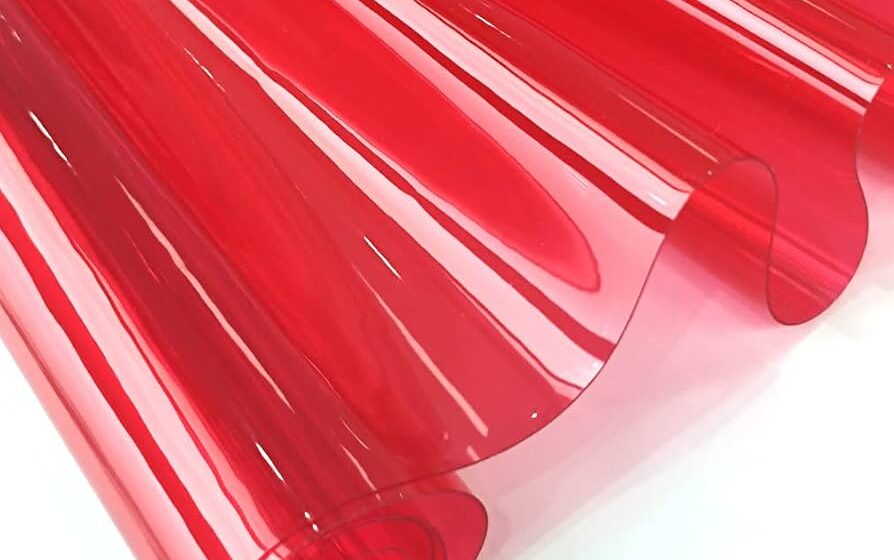

Choosing the right manufacturer is an important part of maintaining product quality and efficient business operations. For companies that use transparent PVC film in packaging, construction, retail displays, or industrial applications, the supplier’s experience can make a significant difference. An established manufacturer is more likely to understand material requirements, production challenges, and the importance of consistent quality.
Working with experienced PVC Transparent Film Manufacturers can provide advantages beyond simply purchasing raw materials. From technical guidance and customized specifications to dependable production schedules, the right manufacturing partner can help businesses manage their supply needs more effectively. Understanding these benefits makes it easier to evaluate suppliers and build a reliable long-term relationship.
1. More Consistent Product Quality
Consistency is one of the most important requirements when purchasing PVC transparent film. Differences in thickness, transparency, flexibility, or surface finish can affect the appearance and performance of finished products.
Experienced manufacturers generally have established production procedures and quality inspection systems designed to maintain consistent results. They understand how production conditions and material formulations influence the final film.
This experience can help businesses receive materials with more predictable characteristics, reducing the risk of defects and unnecessary adjustments during production.
Important quality characteristics include:
- Uniform film thickness
- Consistent transparency and clarity
- Smooth and clean surface finish
- Suitable flexibility for the intended application
- Reliable performance across production batches
2. Better Understanding of Material Requirements
PVC transparent film is available in different grades and specifications. The appropriate material depends on how it will be used, the conditions it will encounter, and the processing methods involved.
An experienced manufacturer can help buyers understand these differences. Instead of recommending a standard product for every situation, a knowledgeable supplier can discuss the application and suggest specifications that better match the actual requirements.
For example, packaging applications may prioritize clarity and flexibility, while industrial coverings may require particular thicknesses and resistance to repeated handling.
This technical understanding helps businesses avoid purchasing materials that are unsuitable for their production processes.
3. Access to Customized Film Specifications
Not every business can rely on standard film dimensions. Manufacturers may need specific widths, thicknesses, roll lengths, or material characteristics to match their machinery and product designs.
Experienced suppliers are often better prepared to discuss customization requirements and determine whether they can be accommodated within their production capabilities.
Customization may involve:
- Different thickness options
- Specific roll widths and lengths
- Particular flexibility levels
- Selected surface finishes
- Formulations designed for defined applications
Before confirming a customized order, buyers should request samples and written specifications to ensure that the material meets their expectations.
4. More Reliable Production and Delivery Planning
Material shortages and delayed deliveries can interrupt manufacturing schedules. A supplier’s ability to manage production capacity and communicate realistic lead times is therefore an important consideration.
Established manufacturers may have more developed production planning, inventory management, and order coordination procedures. Their experience can help them identify potential delays and communicate changes before they become serious problems.
For businesses with regular purchasing requirements, dependable delivery planning supports:
- More accurate inventory management
- Better production scheduling
- Reduced risk of material shortages
- Improved coordination with packaging operations
- More predictable purchasing cycles
Buyers should still confirm minimum order quantities, production lead times, and delivery arrangements before placing an order.
5. Stronger Quality Control Procedures
A reliable manufacturing process requires more than producing film that looks transparent. Manufacturers must also monitor material specifications and identify defects that could affect the final application.
Experienced suppliers may use inspection procedures at different stages of production, including raw material checks, in-process monitoring, and finished-roll evaluation.
These procedures can help identify issues such as uneven thickness, surface imperfections, contamination, and inconsistent appearance.
When comparing suppliers, ask about their quality control process and whether they can provide technical data sheets, inspection reports, or batch-related documentation. Relevant certifications should also be verified, particularly when the film is intended for regulated applications.
6. More Effective Technical Support
Technical support is valuable when businesses are selecting a new film grade, changing production equipment, or experiencing material-related problems.
An experienced manufacturer may be able to explain how thickness, formulation, and flexibility affect processing performance. This guidance can help buyers identify possible causes of issues such as poor handling, unsuitable sealing behavior, or inconsistent finished products.
For example, if a film does not perform well during a particular packaging process, the manufacturer may help review the material specification and suggest options for further testing.
Good technical support does not replace practical testing, but it can make the material selection process more efficient.
7. Better Cost Management Over Time
The lowest quotation does not always represent the lowest overall cost. Film with inconsistent quality may create waste, production delays, rejected packaging, or additional handling requirements.
Experienced manufacturers that maintain consistent specifications can help businesses reduce some of these avoidable expenses.
Long-term cost management may improve through:
- Fewer material defects
- More predictable production performance
- Reduced adjustment time
- Better material utilization
- More accurate bulk purchasing plans
Buyers should compare the total cost of purchasing and using the film rather than focusing only on the price per roll or kilogram.
8. Greater Experience Across Different Industries
Manufacturers that serve multiple industries may have experience with a wider range of applications and technical requirements.
PVC transparent film can be used in product packaging, stationery covers, retail displays, protective coverings, flexible partitions, and selected industrial components. Each application may require different material characteristics.
An experienced supplier may understand these differences and help buyers identify suitable grades more quickly.
However, industry experience should always be supported by product-specific information. A film suitable for general retail packaging may not meet the requirements of food-contact, medical, or specialized construction applications.
9. Improved Communication and Problem Resolution
Clear communication is essential throughout the purchasing process. Buyers need accurate information about specifications, quotations, samples, production schedules, and delivery arrangements.
Experienced manufacturers often have established procedures for managing customer inquiries and addressing product concerns. This can make it easier to clarify requirements before production begins and resolve issues if a shipment does not meet agreed specifications.
Before choosing a supplier, evaluate how effectively it responds to questions. Look for clear technical explanations, realistic delivery commitments, and willingness to provide relevant documentation.
A supplier that communicates openly can help prevent misunderstandings and support smoother business operations.
10. How to Choose the Right Experienced Manufacturer
Experience is valuable, but it should not be the only factor in a purchasing decision. Businesses should evaluate each supplier based on its ability to meet specific product and operational requirements.
Consider the following checklist:
- Industry experience: Review how long the manufacturer has produced PVC film and whether it serves applications similar to yours.
- Product range: Confirm that it offers the required thicknesses, widths, and material specifications.
- Quality management: Ask about inspection procedures and product consistency.
- Technical documentation: Request relevant specifications, test reports, and compliance information.
- Sample testing: Evaluate samples before placing a large order.
- Production capacity: Confirm that the supplier can support your expected order volumes.
- Customer support: Assess how clearly and promptly the manufacturer handles technical and commercial questions.
- Commercial terms: Compare pricing, minimum order quantities, payment conditions, and delivery arrangements.
Using the same evaluation criteria for each supplier makes comparisons more objective and helps identify the best overall fit.
Conclusion
Working with experienced PVC transparent film manufacturers can offer important benefits, including more consistent product quality, better technical guidance, customized specifications, and more reliable supply planning. Their understanding of material properties and production requirements can also help businesses reduce purchasing risks and improve manufacturing efficiency.
However, experience should always be supported by verifiable product quality, appropriate documentation, and practical sample testing. By evaluating manufacturers carefully and establishing clear expectations, businesses can build dependable supplier relationships and secure PVC transparent film that meets their long-term operational needs.