
Modern businesses depend on fast, reliable, and flexible communication systems. Customers expect quick responses. Teams work across multiple locations. Remote work has become part of daily operations. Traditional phone systems struggle to meet these growing demands while keeping costs under control.
SIP trunking for business has become one of the most effective solutions for companies that want modern communication without the limitations of outdated telecom infrastructure. Instead of relying on traditional phone lines, SIP trunking uses internet connectivity to manage voice communication, allowing businesses to improve efficiency, reduce operational costs, and support flexible work environments.
Companies across industries now use SIP trunking to strengthen customer communication, support hybrid teams, and simplify business operations. From small companies to large enterprises, SIP trunking continues to replace legacy phone systems because it offers better scalability, stronger reliability, and lower maintenance costs.
What Is SIP Trunking for Business
SIP stands for Session Initiation Protocol. It is the technology that enables voice communication through internet networks instead of traditional telephone lines.
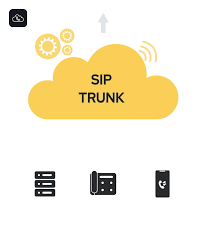
A SIP trunk acts as a digital connection between a business phone system and the internet. This allows businesses to make and receive calls through Voice over Internet Protocol technology, also known as VoIP.
Traditional systems depend on physical wiring and fixed telecom infrastructure. SIP trunking removes these limitations and creates a more flexible communication environment.
Core Components of SIP Trunking
| Component | Function |
| SIP Protocol | Manages communication sessions |
| Internet Connection | Transfers voice data |
| IP PBX System | Handles internal call routing |
| SIP Provider | Connects calls externally |
| VoIP Technology | Enables digital voice communication |
This setup creates a scalable and modern communication framework suitable for growing businesses.
Why Businesses Are Moving Away From Traditional Phone Systems
Traditional telecom systems once provided reliable business communication. Today, they create several operational challenges.
Common issues include:
- High monthly costs
- Limited scalability
- Expensive maintenance
- Weak remote support
- Slow installation processes
- Hardware dependency
Modern companies need systems that support mobility, cloud integration, and digital collaboration. Traditional phone lines cannot meet these demands effectively.
SIP trunking solves these issues with internet-based communication that supports modern business operations.
Major Benefits of SIP Trunking for Business Communication Systems
1. Reduced Communication Costs
One of the biggest advantages of SIP trunking is cost savings.
Traditional phone systems involve multiple ongoing expenses:
- Line rental charges
- Maintenance fees
- Hardware upgrades
- International call costs
- Installation expenses
SIP trunking reduces these costs significantly by using internet connectivity instead of physical telecom infrastructure.
Cost Comparison Table
| Communication Feature | Traditional Systems | SIP Trunking |
| Setup Cost | High | Lower |
| Hardware Requirements | Extensive | Minimal |
| Maintenance Cost | Expensive | Reduced |
| International Calls | Costly | Affordable |
| Expansion Cost | High | Flexible |
Businesses gain better control over communication spending while improving operational efficiency.
2. Improved Scalability
Business communication needs change over time. Traditional systems make expansion difficult because companies must install additional physical lines.
SIP trunking allows businesses to scale communication systems instantly.
Companies can:
- Add channels quickly
- Remove unused capacity
- Support seasonal demand
- Expand across locations
This flexibility supports business growth without infrastructure delays.
3. Better Support for Remote and Hybrid Work
Modern work environments rely heavily on remote collaboration.
Traditional phone systems limit communication to office locations. SIP trunking removes those restrictions.
Employees can:
- Access business calls remotely
- Use business numbers on mobile devices
- Transfer calls from any location
- Connect through cloud communication systems
This flexibility improves collaboration and keeps teams connected regardless of location.
4. Enhanced Call Quality
Call quality directly affects customer experience and internal communication.
Traditional systems often experience:
- Static interference
- Line degradation
- Signal disruptions
- Hardware-related failures
SIP trunking provides high-definition voice communication when supported by reliable internet connectivity.
Businesses benefit from:
- Clearer voice quality
- Faster call connections
- Reduced dropped calls
- More professional communication
This creates stronger customer interactions and smoother operations.
5. Faster Deployment
Installing traditional phone systems often requires lengthy infrastructure work.
Businesses may wait days or weeks for:
- Line installation
- Hardware setup
- Configuration processes
SIP trunking reduces deployment time significantly.
Most systems can be configured quickly through cloud-based management and internet connectivity.
This allows businesses to modernise communication systems without long operational delays.
6. Centralised Communication Management
Managing communication across multiple locations can become complex with traditional systems.
SIP trunking simplifies administration through centralised management platforms.
Businesses can control:
- User accounts
- Call routing
- Voicemail systems
- Communication settings
- Channel allocation
This centralisation improves operational control and simplifies system management.
7. Stronger Disaster Recovery
Unexpected disruptions can damage communication and affect customer trust.
Traditional systems remain vulnerable to:
- Weather damage
- Hardware failure
- Physical infrastructure outages
SIP trunking improves resilience through cloud-based communication and automatic rerouting.
If one location becomes unavailable, calls can redirect instantly to another office or mobile device.
This supports business continuity and reduces downtime.
8. Reduced Hardware Dependency
Traditional telecom infrastructure requires large amounts of physical equipment.
This includes:
- PBX systems
- Copper wiring
- Telecom cabinets
- Maintenance hardware
SIP trunking reduces hardware requirements significantly.
Businesses can operate through:
- Cloud communication platforms
- Software-based systems
- Minimal on-site infrastructure
This lowers maintenance costs and simplifies upgrades.
SIP Trunking vs Traditional Phone Systems
The differences between modern SIP communication and traditional telecom systems continue to drive business migration.
| Feature | Traditional Phone Systems | SIP Trunking |
| Technology | Physical phone lines | Internet-based |
| Flexibility | Limited | High |
| Remote Access | Weak | Strong |
| Maintenance | Complex | Simplified |
| Scalability | Slow | Fast |
| Infrastructure | Hardware-heavy | Cloud-friendly |
SIP trunking provides stronger operational flexibility and long-term communication efficiency.
Industries That Benefit From SIP Trunking
Healthcare
Healthcare organisations require stable communication for appointments, emergency coordination, and patient support.
Retail
Retail businesses use SIP systems to connect stores, warehouses, and support centres.
Finance
Financial institutions depend on secure and uninterrupted communication systems.
Education
Educational organisations support hybrid learning and administration through cloud-based communication.
Corporate Enterprises
Large businesses manage global communication through centralised SIP infrastructure.
Security Features in SIP Trunking for Business
Security remains critical for internet-based communication systems.
Modern SIP providers implement advanced protection measures such as:
- Encryption protocols
- Session border controllers
- Traffic monitoring
- Firewall security
- Fraud prevention systems
Businesses should also follow internal security best practices.
Recommended Security Measures
| Security Practice | Purpose |
| Strong Passwords | Prevent unauthorised access |
| Multi-Factor Authentication | Improve account protection |
| Network Monitoring | Detect suspicious activity |
| Software Updates | Reduce vulnerabilities |
| Secure Internet Connections | Protect communication traffic |
Strong security reduces risks and protects sensitive business communication.
How SIP Trunking Improves Customer Service
Customer communication directly affects business reputation.
SIP trunking improves customer experience through:
- Faster response times
- Clearer calls
- Better routing systems
- Flexible support operations
- Reduced downtime
Businesses can also implement advanced features such as:
- Interactive voice response
- Automated call routing
- Call analytics
- Multi-location support
- Voicemail-to-email services
These tools improve efficiency while strengthening customer relationships.
Future of SIP Trunking for Business Communication
Business communication continues moving toward cloud-based infrastructure.
SIP trunking supports this shift through:
- Flexible deployment
- Integration with collaboration tools
- Remote communication support
- Lower infrastructure dependency
Future developments may include:
- AI-powered call management
- Advanced analytics
- Smarter routing systems
- Enhanced automation
- Deeper cloud integration
Businesses adopting SIP trunking today prepare for long-term operational growth and communication efficiency.
Common Challenges and Solutions
Internet Reliability
Poor internet quality can affect call performance.
Solution
Businesses should use stable internet connections with dedicated bandwidth for voice traffic.
Configuration Complexity
Improper setup may create technical issues.
Solution
Professional deployment and managed support simplify implementation.
Security Risks
Internet-based systems face cyber threats.
Solution
Use encryption, firewalls, monitoring systems, and secure authentication methods.
How Almens Consult Can Help You
Almens Consult provides professional SIP trunking and VoIP solutions designed to modernise business communication systems. Their team helps businesses deploy scalable communication infrastructure, integrate cloud-based telecom solutions, and improve operational efficiency through secure and reliable voice services. Whether your company needs remote communication support, enterprise voice systems, or cost-effective telecom upgrades, Almens Consult delivers customised solutions tailored to long-term business growth.
Conclusion
Modern businesses require communication systems that support flexibility, scalability, and operational efficiency. Traditional phone systems often create limitations that increase costs and reduce productivity.
SIP trunking for business offers a modern communication solution that improves call quality, supports remote work, reduces infrastructure dependency, and lowers operational expenses. Businesses gain stronger flexibility while simplifying communication management across multiple locations.
As digital transformation continues across industries, SIP trunking becomes an essential part of modern business infrastructure. Companies that upgrade communication systems today position themselves for stronger customer service, improved collaboration, and long-term operational success.