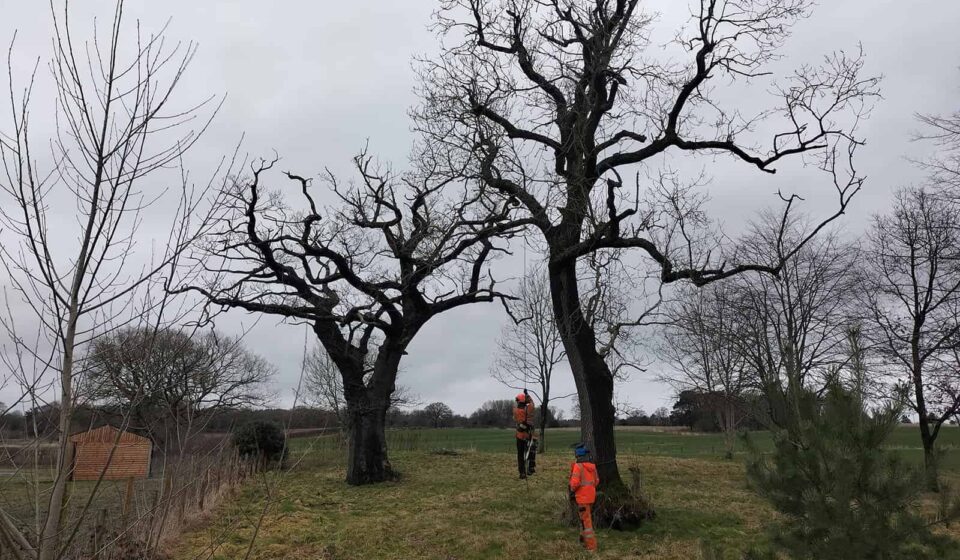

Mature trees are one of the most valuable features of any property. They provide shade, improve air quality, increase privacy, and make outdoor spaces more attractive. Like any living plant, trees need regular care to stay healthy and safe. One important part of tree maintenance is removing dead branches.
Dead branches may not seem like a major concern at first, but they can create safety risks, affect the tree’s health, and reduce its appearance. Removing them at the right time helps protect both the tree and the people around it.
This guide explains the benefits of removing dead branches from mature trees, how to recognize the warning signs, and why regular maintenance is important.
What Is Deadwood?
Deadwood refers to branches that are no longer alive. These branches stop growing because of age, disease, storm damage, insect activity, or lack of sunlight.
A dead branch will not recover on its own. Over time, it becomes weak, dry, and brittle, making it more likely to break and fall.
Deadwood can be found in trees of every size and species, especially mature trees that have been growing for many years.
Why Do Branches Die?
Several factors can cause branches to die naturally.
Common causes include:
- Natural aging
- Strong winds and storms
- Drought
- Tree diseases
- Insect damage
- Lack of sunlight inside the canopy
- Physical damage from vehicles or construction
Some branch loss is a normal part of a tree’s life cycle. However, large amounts of deadwood should never be ignored.
Dead Branches Can Become Safety Hazards
One of the biggest reasons to remove dead branches is to improve safety.
Dead branches become weaker over time. They can fall without warning, especially during windy weather, heavy rain, or storms.
Falling branches may damage:
- Homes
- Vehicles
- Fences
- Outdoor furniture
- Power lines
- Walkways
- Play areas
More importantly, they can seriously injure anyone standing beneath the tree.
Removing dead branches reduces these risks and helps create a safer outdoor environment.
Deadwood Improves Tree Health
Removing dead branches allows the tree to focus its energy on healthy growth.
Instead of sending nutrients toward damaged or dying limbs, the tree can direct its resources to healthy branches, leaves, and root development.
While deadwood removal cannot cure every tree problem, it supports healthier long-term growth.
Helps Prevent the Spread of Disease
Sometimes a branch dies because of disease.
If infected branches remain on the tree, certain diseases may continue spreading into healthy sections.
Removing affected branches early may help slow the spread and reduce additional damage.
Professional inspections can also identify whether the tree needs further treatment.
Reduces Insect Problems
Dead wood attracts insects that feed on decaying material.
Some common pests include:
- Carpenter ants
- Beetles
- Wood-boring insects
- Termites
These insects may eventually spread to nearby trees, wooden fences, sheds, or other structures.
Removing dead branches helps eliminate one of the places where these pests like to live.
Makes Trees Stronger During Storms
Storms place a great deal of stress on mature trees.
Dead branches often break first because they have already lost their strength.
Removing weak limbs before storm season lowers the chance of falling branches during high winds or heavy rain.
This simple maintenance step can help reduce storm-related property damage.
Improves the Appearance of Mature Trees
Dead branches can make even a beautiful tree look neglected.
A tree with healthy foliage and a balanced canopy adds beauty to any landscape.
Removing deadwood helps restore a cleaner, healthier appearance while allowing the tree’s natural shape to stand out.
Healthy-looking trees also improve the overall appearance of your yard.
Encourages Better Airflow
Overcrowded canopies often trap moisture and reduce airflow.
Removing dead branches opens space within the tree, allowing better air circulation.
Improved airflow helps leaves dry faster after rain, which may reduce conditions that encourage certain fungal problems.
Allows More Sunlight to Reach the Ground
Dead branches sometimes block sunlight from reaching your lawn or garden.
After deadwood removal, more sunlight can reach nearby plants, helping grass, flowers, and shrubs grow more successfully.
This also creates a brighter and more inviting outdoor space.
Makes Lawn Maintenance Easier
Low-hanging dead branches often interfere with mowing, trimming, and general yard work.
Removing them provides easier access around the tree and reduces the chance of equipment damage.
Homeowners can complete regular lawn maintenance more safely and efficiently.
Helps Protect Nearby Structures
Large mature trees often grow close to homes, garages, fences, and driveways.
Dead branches hanging over roofs or outdoor living areas present unnecessary risks.
Removing these branches before they fall helps protect nearby structures from unexpected damage.
Supports Long-Term Tree Care
Deadwood removal is an important part of routine tree maintenance.
Regular inspections help identify problems before they become serious.
Healthy maintenance practices often include:
- Removing dead branches
- Trimming weak limbs
- Inspecting for disease
- Monitoring tree growth
- Checking for storm damage
Consistent care helps mature trees remain healthier for many years.
How Can You Tell If a Branch Is Dead?
Homeowners can often identify dead branches by looking for several common signs.
Dead branches may have:
- No leaves during the growing season
- Dry and brittle wood
- Peeling bark
- Cracks
- Broken ends
- Gray or faded color
If you’re unsure whether a branch is alive, a professional inspection can provide a clear answer.
When Is the Best Time to Remove Dead Branches?
Dead branches can be removed whenever they create a safety concern.
Many homeowners schedule inspections:
- After severe storms
- During late winter
- Before hurricane season
- During routine tree maintenance
Waiting too long allows branches to weaken further, increasing the chance of unexpected failure.
Can You Remove Dead Branches Yourself?
Small branches that are easy to reach may be manageable with proper tools and safety precautions.
However, large mature trees often require specialized equipment and experience.
Branches located:
- High above the ground
- Near power lines
- Over roofs
- Above driveways
- Near neighboring property
should always be handled by trained professionals.
Improper pruning may damage the tree or create unnecessary safety risks.
Does Removing Dead Branches Hurt the Tree?
No. Proper deadwood removal does not harm a healthy tree.
In fact, removing dead branches often benefits the tree by improving safety, encouraging healthy growth, and reducing the chance of disease or insect problems.
Correct pruning techniques are important to avoid unnecessary damage.
Frequently Asked Questions
What is deadwood removal?
Deadwood removal is the process of cutting away branches that have died due to age, disease, weather, or other causes.
Why should dead branches be removed?
Dead branches can fall unexpectedly, attract insects, spread disease, and reduce the overall health and appearance of the tree.
How often should mature trees be inspected?
Most mature trees benefit from an inspection at least once a year and after major storms.
Can dead branches fall without warning?
Yes. Dead branches often become dry and brittle, making them more likely to break during wind or even calm weather.
Is deadwood removal different from tree trimming?
Yes. Deadwood removal focuses only on removing dead branches, while tree trimming may include shaping the tree, improving structure, and managing healthy growth.
Final Thoughts
Removing dead branch rom mature trees is one of the simplest ways to improve safety, protect property, and support long-term tree health. Deadwood can become a serious hazard if left untreated, especially during storms or periods of strong wind. Regular inspections and timely removal help reduce risks while keeping your trees looking their best.
Healthy mature trees are an investment in your property. Giving them the care they need helps them remain strong, attractive, and safe for years to come.
Palm Beach Arbor provides dependable tree care services for residential and commercial properties. The team offers professional deadwood removal, tree trimming, hazardous tree removal, stump grinding, and tree removal. Every service is completed with careful attention to safety, tree health, and the long-term beauty of your landscape.