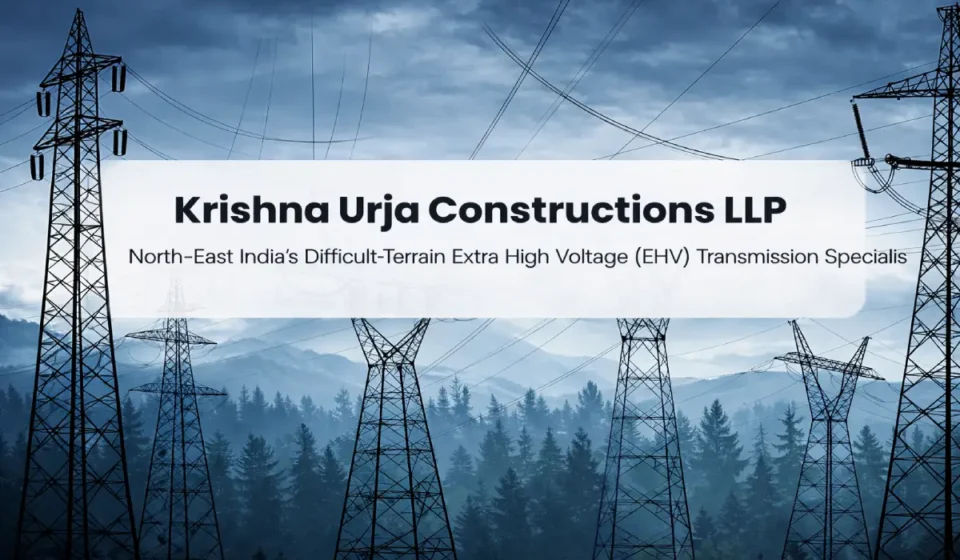

Electricity is one of the most important needs of modern life. Homes, hospitals, schools, offices, factories, and farms all depend on a stable power supply every day. To deliver electricity from power plants to users, a strong network of transmission and distribution systems is required. In this system, Assam transmission line development plays a major role in improving the state power network and ensuring reliable electricity for urban and rural areas.
Assam is a growing state with rising demand for power. Population growth, industrial activity, commercial expansion, and infrastructure projects have increased the need for better electricity systems. This is why transmission line development has become an important part of the state’s progress. Better transmission networks help move electricity safely, reduce losses, and support future energy demand.
What Is a Transmission Line?
A transmission line is a system that carries electricity over long distances from generating stations to substations. It usually operates at high voltage so that electricity can travel efficiently with lower power loss.
Transmission lines are different from local distribution lines. Distribution lines carry electricity from substations to homes and businesses, while transmission lines connect large power sources to the main grid.
These lines include several parts such as:
- Towers or poles
- Conductors or cables
- Insulators
- Transformers
- Substations
- Safety systems
Together, these components form the backbone of the electricity network.
Why Assam Needs Strong Transmission Infrastructure
Assam has many cities, towns, villages, and remote locations spread across a large geographical area. Delivering power across rivers, forests, plains, and hilly regions can be challenging. Because of this, a modern transmission system is necessary.
Some major reasons Assam needs strong transmission infrastructure include:
Growing Electricity Demand
As more homes use appliances, air conditioners, computers, pumps, and electronic devices, the demand for electricity continues to rise. Businesses and industries also require steady power for daily operations.
Rural Electrification
Many villages and remote areas need dependable electricity for education, health services, irrigation, and economic growth. Transmission expansion supports these goals.
Industrial Growth
Industries need quality power supply without frequent interruptions. Strong transmission networks help attract investment and create jobs.
Better Urban Services
Cities need reliable electricity for street lighting, traffic systems, water supply, hospitals, and public services.
Role of Assam Transmission Line in Power Supply
Transmission lines are essential because they move electricity from where it is generated to where it is needed. Without them, power plants cannot effectively serve consumers.
Power Transfer from Generation Sources
Electricity generated from thermal, hydro, solar, or other sources must be transmitted to substations. Transmission lines make this possible.
Grid Stability
A connected network helps balance supply and demand. If one area faces a shortage, electricity can be transferred from another connected source.
Reduced Power Interruptions
Well-maintained transmission systems lower the chance of breakdowns and outages.
Support for New Projects
Whenever new industries, residential townships, or infrastructure projects are developed, strong transmission support becomes necessary.
Key Areas of Transmission Development in Assam
The state power sector focuses on multiple areas to strengthen the network.
High Voltage Line Expansion
Higher voltage lines can carry more electricity over long distances. This helps meet rising demand and improve efficiency.
New Substations
Substations are required to receive power from transmission lines and step voltage levels up or down. New substations improve supply management.
Upgrading Old Infrastructure
Older lines, outdated towers, and aging equipment can cause technical losses and faults. Replacing them increases safety and performance.
Inter-State Connectivity
Connecting Assam with neighboring states improves regional power exchange and backup support during emergencies.
Smart Monitoring Systems
Modern systems help track faults, load levels, and equipment condition in real time.
Benefits of Transmission Line Development
A stronger transmission network brings many benefits to the state and its people.
Reliable Electricity Supply
People receive better power availability with fewer voltage fluctuations and interruptions.
Lower Technical Losses
Efficient lines reduce electricity loss during long-distance transfer.
Better Business Environment
Commercial areas, factories, and service industries perform better with uninterrupted power.
Support for Agriculture
Farmers depend on electricity for irrigation pumps, cold storage, and processing units.
Improved Public Services
Hospitals, schools, transport systems, and government offices function more smoothly.
Job Opportunities
Construction, maintenance, engineering, transport, and support services create employment.
Challenges in Assam Transmission Line Projects
Although transmission development is important, several challenges may arise during planning and execution.
Difficult Terrain
Some areas have rivers, wetlands, forests, or uneven land that make construction complex.
Weather Conditions
Heavy rainfall, storms, floods, and humidity can affect project timelines and maintenance.
Land and Right of Way Issues
Transmission lines need clear routes for towers and cables. Land permissions may take time.
Environmental Considerations
Projects must be developed carefully to protect forests, wildlife, and local ecology.
High Investment Cost
Large transmission projects require funding for towers, cables, substations, labor, and technology.
Need for Skilled Workforce
Qualified engineers, technicians, and safety teams are essential for quality work.
Importance of Modern Technology
Technology is improving how transmission systems are designed and managed. Assam can benefit greatly from adopting modern methods.
GIS and Survey Tools
Advanced mapping tools help identify the best routes for transmission lines.
Better Conductors
Modern conductors carry more electricity and reduce losses.
Remote Monitoring
Sensors and control systems quickly identify faults and improve response time.
Predictive Maintenance
Instead of waiting for failure, equipment can be repaired before breakdowns happen.
Digital Grid Management
Control centers can monitor multiple substations and lines through integrated systems.
Renewable Energy and Transmission Growth
Clean energy is becoming more important across India. Solar and other renewable power sources need strong transmission networks to connect with the grid.
As Assam explores more renewable energy opportunities, transmission development will help:
- Connect renewable power plants to substations
- Transfer green energy to demand centers
- Balance supply variations
- Reduce dependency on conventional sources
This makes transmission lines important not only for current needs but also for future sustainability.
Safety in Transmission Projects
Safety is a major priority in planning, construction, and maintenance.
Important safety measures include:
- Strong tower design
- Proper insulation systems
- Regular inspection
- Vegetation management near lines
- Worker safety training
- Emergency repair planning
- Public awareness near high-voltage zones
A safe system protects workers, communities, and equipment.
Economic Impact on Assam
Transmission development supports the wider economy in many ways.
Attracting Investment
Companies prefer regions with stable power systems. Better infrastructure creates business confidence.
Boosting Small Enterprises
Small shops, workshops, and service centers depend on daily electricity.
Supporting Tourism
Hotels, transport hubs, and tourist facilities need reliable power.
Increasing Productivity
When power cuts reduce, work efficiency improves across sectors.
Future Scope of Assam Power Network
The future of Assam’s power network looks promising as demand continues to grow. Development plans are expected to focus on:
- More transmission capacity
- Smart substations
- Stronger rural connectivity
- Renewable energy integration
- Better disaster resilience
- Faster fault recovery systems
- Improved energy efficiency
A future-ready network will help Assam grow socially and economically.
How Quality Project Execution Matters
Transmission projects need proper planning, design, engineering, and maintenance. Even the best equipment can underperform if installation quality is poor.
Successful projects require:
- Correct route planning
- Strong foundations for towers
- Quality materials
- Skilled labor
- Timely inspections
- Compliance with safety standards
- Long-term maintenance planning
This ensures the network remains reliable for many years.
Role of Professional Energy Infrastructure Companies
Experienced infrastructure companies play a valuable role in building and maintaining transmission networks. They bring technical expertise, project management skills, trained manpower, and quality standards.
From survey work to final commissioning, professional support helps reduce delays and improve results. Their contribution is important in complex projects involving high-voltage systems and challenging locations.
Conclusion
The development of Assam transmission line infrastructure is essential for creating a stronger and more dependable state power network. It supports homes, industries, agriculture, public services, and future economic growth. With better planning, modern technology, and skilled execution, Assam can build an efficient grid that meets rising energy demand.
For trusted support in energy infrastructure and power sector development, Krishna Urja stands as a reliable name committed to quality and progress.
