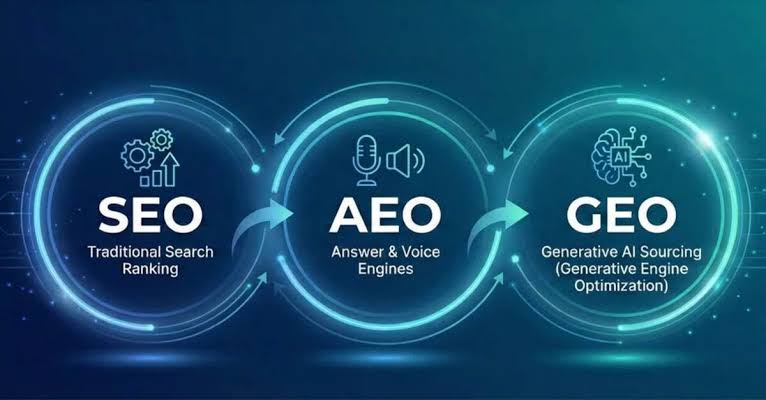

Search behavior has changed faster than most freelance profiles have. Type a query into Google today and there’s a good chance an AI Overview answers it before a single blue link appears. Ask ChatGPT or Perplexity the same question, and an entirely different set of ranking rules decides which brand gets mentioned. This is the world of Answer Engine Optimization (AEO) and Generative Engine Optimization (GEO), and it has quietly split the SEO freelance market in two.
On one side are the thousands of Upwork profiles still selling keyword-stuffed blog posts and backlink packages built for 2015-era Google. On the other is a much smaller group who have actually studied how large language models retrieve, summarize, and cite information. Hiring the wrong one doesn’t just waste a budget, it means your brand stays invisible in the exact channels where more buyers are starting their research.
Why Most “AI SEO” Profiles Fall Short
A quick scroll through Upwork’s SEO category shows the problem: hundreds of freelancers have added “AEO” and “GEO” to their headlines without changing anything about how they actually work. Their process is still built around ranking a page on Google, and they treat AI visibility as an afterthought rather than a separate discipline with its own rules around structured data, entity clarity, and citation-worthy content.
Real AEO and GEO work looks different. It means writing content that answers a question completely enough to be lifted directly into an AI-generated answer. It means structuring pages with schema markup so machines can parse who you are, what you offer, and why you’re credible. It means understanding that generative engines pull from a narrower set of trusted sources than traditional search ever did, so getting cited even a handful of times matters more than ranking on page one for a dozen keywords.
What to Look For Before You Hire
A specialist worth hiring should be able to explain, without jargon, how their content strategy changes when the goal shifts from ranking to being cited. Look for someone who talks about entity-based SEO, llms.txt files, and answer-first content structures, not just “AI-optimized keywords.” Ask for examples of content that has actually appeared in AI Overviews or chatbot answers, not just traffic screenshots from Google Search Console.
This is roughly the standard Anshul Rana has built his practice around, focusing specifically on AEO and GEO strategy rather than folding it into a generic SEO retainer. That kind of narrow focus tends to produce sharper results than a freelancer trying to be an expert in everything from technical audits to social media management.
A Few Questions Worth Asking in the Interview
Before signing off on a contract, a short conversation usually reveals who actually understands this space:
- How do you structure content differently for an AI answer engine versus a traditional search result page?
- What role does schema markup play in your GEO process, and can you show an example?
- How do you measure success when a client won’t necessarily see a traffic spike, but their brand starts appearing in AI-generated answers?
- Which AI platforms do you actively test content against, beyond just Google?
Freelancers who can answer these clearly, with specifics rather than buzzwords, are the ones worth shortlisting.
The Bigger Picture
AEO and GEO aren’t replacing traditional SEO, they’re sitting alongside it as buyers split their research between search engines and AI assistants. Brands that get ahead of this shift now, by working with specialists who genuinely understand how generative engines select and cite sources, will have a real head start over competitors still hiring based on outdated SEO checklists. On a platform as crowded as Upwork, that distinction is worth taking the time to find.