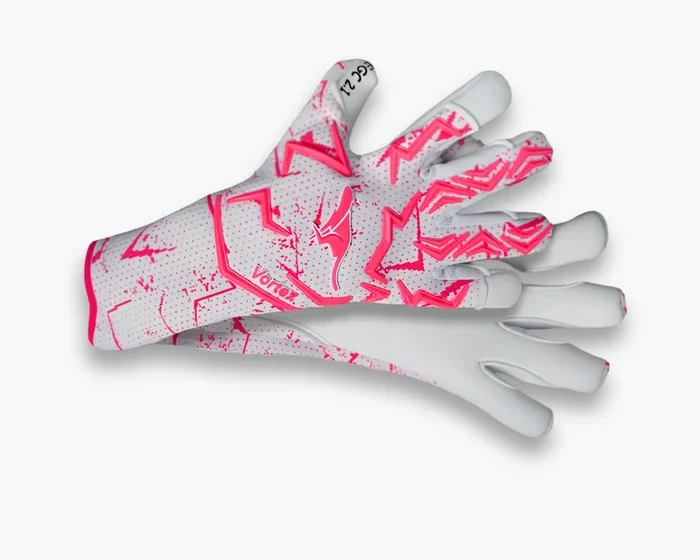

Finding the right goalkeeper gloves can make training and match play more comfortable for young footballers. A goalkeeper depends on their hands for almost every important moment, from catching shots to pushing the ball away from danger.
With many glove designs available, choosing the right pair can feel confusing. Parents, coaches, and young players can make the process easier by focusing on practical features such as fit, grip, flexibility, protection, and comfort.
Why the Right Gloves Matter
Goalkeeping requires confidence and control. Players need to react quickly and use their hands effectively when dealing with different types of shots.
Suitable gloves can provide useful grip while helping the goalkeeper feel more comfortable during training. However, the most expensive pair is not automatically the best choice for every player.
The right gloves should match the player’s hand size, experience, playing environment, and personal preferences.
Finding a Suitable Goalkeeper Gloves Shop
When looking for a goalkeeper gloves shop, buyers should consider more than the number of products available. A good selection should make it easier to compare different glove cuts, sizes, palms, protection features, and designs.
Clear product information can also help parents understand what they are purchasing. Details about sizing, materials, intended use, and care can make the selection process more straightforward.
For young players, having access to different sizes is particularly useful because hand size can change as children grow.
The Importance of Proper Fit
Fit should be one of the first things to consider when choosing goalkeeper gloves. A glove should feel secure without making the fingers uncomfortable.
If gloves are too large, young players may struggle to control the ball. Excess space around the fingertips can also affect their confidence when catching.
Gloves that are too small may restrict movement and cause discomfort. Checking hand measurements against the manufacturer’s sizing information is a simple way to improve the chances of finding the right fit.
Grip and Ball Handling
Grip is an essential part of goalkeeper glove performance. A suitable palm can help players catch and control the ball with greater confidence.
However, grip can be influenced by several factors. Weather, ball condition, playing surface, and glove maintenance can all affect performance.
Young goalkeepers should learn how to care for their gloves properly. Cleaning them according to the manufacturer’s instructions and storing them correctly can help maintain their condition.
Choosing Gloves for Junior Players
Young goalkeepers have specific equipment needs because their hands are smaller and their skills are still developing. Gloves should allow natural finger movement while providing appropriate support.
When comparing the best goalkeeper gloves junior players can use, parents should consider fit, grip, comfort, flexibility, and the player’s regular playing conditions.
The best choice is not necessarily the glove with the most features. It is the one that matches the player’s actual needs and feels comfortable during regular use.
Considering Protection
Some young goalkeepers may benefit from gloves that provide additional finger support. Protection can be useful for players who want extra stability while learning proper hand positioning and catching techniques.
At the same time, gloves should not restrict natural movement. Young players need to develop flexibility and control as they gain experience.
Parents can discuss these requirements with coaches when deciding which type of glove is most appropriate.
Training and Match Requirements
A young goalkeeper may use their gloves several times a week. Training sessions can involve repeated catching drills, diving exercises, ball distribution, and reaction practice.
Gloves used regularly for training should be comfortable and suitable for frequent use. Match gloves may be selected with a greater focus on grip and feel.
The playing environment should also be considered. Outdoor conditions can vary considerably, so players should choose equipment that suits where they normally play.
Comfort Can Improve Confidence
Comfort is often overlooked when buying sports equipment. A young goalkeeper who feels comfortable in their gloves can concentrate more fully on learning and practising.
The wrist should feel secure without unnecessary pressure. The fingers should have enough space to move naturally, and the overall glove should feel suitable for the player’s hand.
Parents should also allow young players to express their preferences. Personal comfort can have a significant effect on how confidently a player uses their equipment.
Caring for Goalkeeper Gloves
Proper care can help gloves remain in good condition. Dirt and moisture can affect the palm and other materials when gloves are not cleaned or stored correctly.
Players should follow the care guidance supplied with their gloves. After use, allowing them to dry properly can help prevent unnecessary deterioration.
Good maintenance habits are particularly valuable for young players who use their gloves regularly throughout a season.
Making a Confident Purchase
Selecting goalkeeper gloves should be based on the individual player rather than simply choosing a popular design. Hand size, playing style, experience, grip requirements, protection, and comfort all deserve attention.
A reliable goalkeeper gloves shop can make the process easier by providing useful choices and clear product information.
For young players, comparing the best goalkeeper gloves junior options can help parents find equipment that supports comfort and development. With the right fit and regular practice, young goalkeepers can focus on improving their skills and enjoying the game.