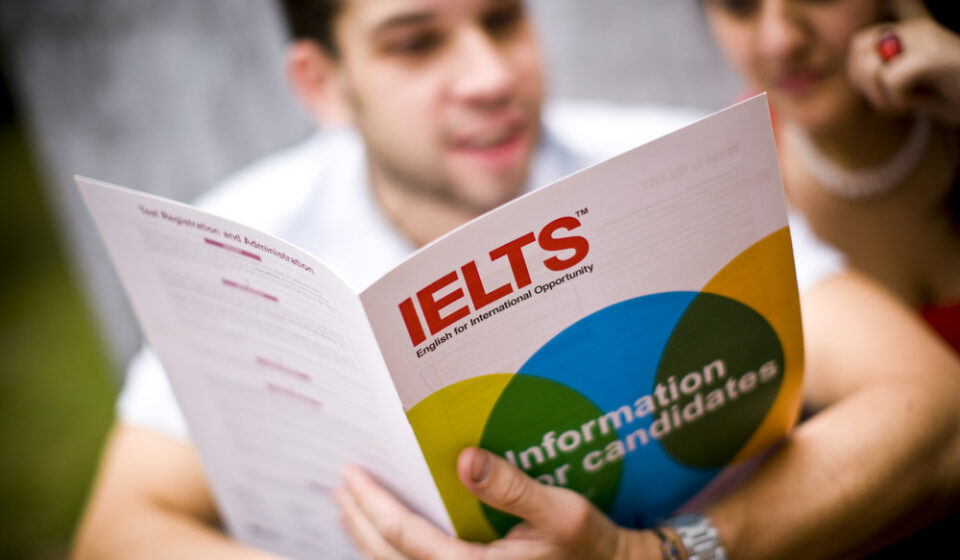

Learning English can create opportunities in higher education, international employment, and professional development. For many people planning to take the IELTS examination, achieving the required score is an important step towards their future goals.
IELTS assesses how effectively a person can understand and communicate in English. Although candidates may already use English in their daily lives, the examination requires specific preparation. Understanding question formats, managing time, and presenting clear answers can all influence performance.
Choosing suitable ielts courses in dubai can give learners a more organized approach to preparation. With a consistent routine and appropriate learning support, candidates can work on their weaker areas while strengthening their existing language skills.
Why IELTS Preparation Requires a Clear Plan
Preparing for IELTS without a study plan can make it difficult to track progress. Candidates may spend too much time practising familiar sections while overlooking skills that need improvement.
A clear preparation plan helps divide study time between listening, reading, writing, and speaking. It also creates opportunities to practise under examination conditions and review mistakes.
Before beginning, candidates should understand their current English level and identify the score they need. Their target may depend on university admission, employment, professional registration, or immigration requirements.
Knowing the purpose of the examination makes it easier to choose suitable learning materials and establish realistic goals.
Understanding the Four IELTS Sections
IELTS includes four sections that assess different aspects of English proficiency. Each one requires a slightly different preparation method.
Listening Skills
The listening section measures how well candidates understand spoken English. They listen to recordings and answer questions based on conversations and other spoken information.
To improve, learners can listen to English podcasts, interviews, educational programs, and everyday conversations. Practising with different accents can also make it easier to understand speakers during the examination.
Reading Skills
The reading section tests comprehension and the ability to locate relevant information in written passages.
Candidates should practise identifying main ideas, understanding vocabulary through context, and finding specific details. Reading English articles regularly can gradually improve comprehension and reading speed.
Writing Skills
Writing requires candidates to organize their thoughts and communicate information clearly. Grammar, vocabulary, sentence structure, and the ability to respond to the task are all important.
Writing practice should include different topics and question formats. Reviewing completed answers can help identify problems with organization, grammar, and clarity.
Speaking Skills
The speaking section evaluates how naturally candidates communicate in English. They need to answer questions, discuss topics, and explain their views.
Daily conversation practice can help improve fluency. Candidates should focus on expressing ideas clearly rather than memorizing complete answers.
How to Choose a Suitable IELTS Training Institute
Finding an appropriate ielts training institute in dubai involves more than comparing course fees. Candidates should consider the learning experience and the support available throughout their preparation.
Course Structure
A good preparation program should address all four IELTS sections. Learners should understand what will be covered and how their progress will be assessed.
Trainer Knowledge
Instructors should be familiar with the IELTS examination format and its assessment requirements. Clear explanations and useful feedback can help students understand how to improve.
Practice Opportunities
Regular exercises and mock tests help candidates become familiar with the examination environment. They also provide an opportunity to identify areas that need additional attention.
Individual Feedback
Every learner has different strengths and challenges. Feedback on writing and speaking can help candidates recognize mistakes and develop better communication habits.
Convenient Timings
Students and working professionals may have different daily commitments. Checking class schedules and course duration before enrolling can help ensure that preparation fits into their routine.
Everyday Habits That Support Better IELTS Preparation
Classroom learning becomes more effective when combined with regular practice. Small changes to everyday habits can help candidates develop stronger English skills.
Here are some practical ways to improve:
- Read English newspapers, articles, and books to expand vocabulary.
- Listen to English audio content to become familiar with different accents.
- Write short essays and review them for grammar and organization.
- Practise speaking about everyday topics without relying on memorized responses.
- Complete sample IELTS questions within the recommended time.
- Review incorrect answers and understand the reasons behind each mistake.
Candidates should also keep track of their progress. Reviewing earlier practice attempts can reveal improvements and highlight skills that still need attention.
Common Preparation Mistakes to Avoid
Some candidates focus heavily on memorizing vocabulary without learning how to use words naturally. Others practise only their preferred sections and leave limited time for weaker areas.
A balanced approach is more useful. Candidates should understand the instructions for each question type and practise applying their skills in different situations.
Another common mistake is ignoring time management. Even when a candidate understands the questions, spending too long on one task can affect the remaining sections.
Regular timed practice and careful review can help reduce these problems. It is also important to maintain realistic expectations and allow enough time for improvement.
Exploring Learning Opportunities in Dubai
Dubai offers educational opportunities for people from different backgrounds and career stages. Those interested in IELTS preparation can compare available programs based on teaching methods, course content, class schedules, and learning support.
CNA Training Institute shares information about its educational offerings through its official website. Prospective students should visit the website and contact the institute directly to confirm whether IELTS courses are currently available. They can also ask about the curriculum, trainers, fees, and preparation schedule before making an enrolment decision.
Checking these details helps candidates understand what a program actually provides and whether it matches their requirements.
Conclusion
IELTS preparation is a gradual process that requires regular practice, patience, and a clear understanding of the examination. Developing listening, reading, writing, and speaking skills can help candidates become more confident in their use of English.
Before choosing a preparation program, consider your current language level, target score, and preferred learning schedule. Comparing course details and understanding the available support can help you make a more informed choice and prepare with greater confidence.