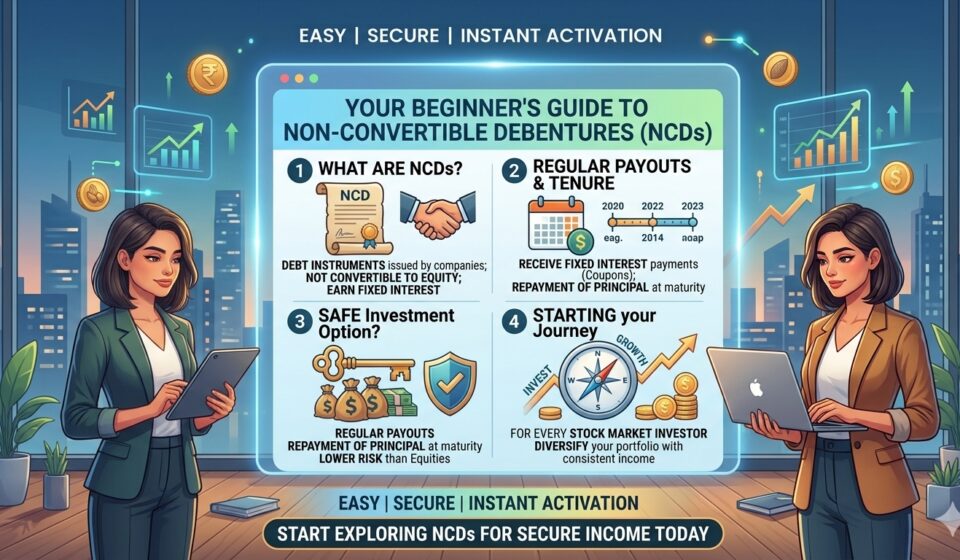

The stock market can be a labyrinth of terms and options. Among these, non-convertible debentures (NCDs) stand out as an interesting investment opportunity, especially for those looking for stable returns with a lower risk profile. But before we dive into the nitty-gritty, let’s take a walk through the user journey of NCDs and explore how you, as a stock market investor, can make the most of your experience.
What Are Non-Convertible Debentures?
At the heart of your investment journey lies the question: what exactly are non-convertible debentures? Simply put, NCDs are fixed-income securities that companies issue to raise funds. Unlike convertible debentures, which can be converted into equity shares, NCDs cannot be turned into shares. This makes them a bit more straightforward for conservative investors.
Think of it this way: when you invest in NCDs, you’re essentially lending your money to a company. In return, the company promises to pay you back with interest over a specific period. If you’re someone who prefers a predictable income source without getting tangled up in the volatility of stock prices, NCDs might just be your cup of tea.
Why You Should Consider NCDs
Before making any investment decision, it’s important to weigh the pros and cons. So why should you consider investing in non-convertible debentures? Here are a few compelling reasons:
1. Steady Returns
One of the biggest advantages of NCDs is the promise of steady returns. Companies issue these instruments at specified interest rates, meaning that you know exactly how much you will earn. This is particularly appealing for investors who want a predictable income stream, much like a monthly salary.
2. Lower Risk Profile
In the world of investments, risk is a constant companion. NCDs, however, are generally considered lower risk compared to equities. Since you’re dealing with fixed returns and your money is secured against the company’s assets, you have a cushion against potential losses. Remember, though: no investment is completely risk-free.
3. Diversification of Portfolio
Investing is all about diversifying and spreading your risks. Including non-convertible debentures in your portfolio can enhance your diversification strategy. This way, if the stock market takes a hit, your investments in NCDs can help stabilize your overall financial situation.
4. Ideal for Long-Term Investors
If you’re someone who values the long game, NCDs can align with your strategy. They typically have longer tenures, often ranging from three to ten years. This means you won’t be watching your investment flicker all the time; it’s more like planting a tree and watching it grow.
How to Invest in NCDs
Now that you’re intrigued, let’s navigate how you can invest in non-convertible debentures.
1. Research Market Options
First and foremost, do your homework. Research the companies that are offering NCDs and check their financial stability, interest rates, and credit ratings. Websites, financial news outlets, and brokers can provide essential information to help you make informed decisions.
2. Choose a Depository Participant
Once you’ve decided to invest, you’ll have to set up a Demat account. This is where depository participants come into play. Think of them as your digital vault. You need one to hold your securities. Picking a reliable depository participant is crucial as it can impact your investment experience significantly.
3. Application Process
After selecting a depository participant, it’s time to fill out the application form for the NCDs you wish to purchase. Don’t forget to read the terms and conditions carefully! The process generally involves providing your KYC (Know Your Customer) details, like identification and address proof.
4. Monitor Your Investments
Investing doesn’t stop at hitting “buy.” Keep an eye on your NCDs. Monitor the issuer’s credit rating and track market conditions that could influence your investment. Regularly reviewing your portfolio is key to navigating the investment landscape.
The Tax Implications of NCDs
As you travel further down your investment path, it’s essential to understand the tax implications. Interest earned on non-convertible debentures is taxable. This means that your effective return may be lower after tax deductions. However, holding NCDs for more than three years may qualify you for long-term capital gains, so keep an eye on that!
The Role of Credit Ratings
As you delve deeper, you’ll come across credit ratings. These ratings analyze the creditworthiness of the issuing company. The better the rating, the lesser the risk associated with the non-convertible debentures. So, make it a point to check the rating agencies’ assessments when choosing your NCDs.
1. AAA Ratings
These are the top-tier ratings often assigned to stable companies. If you see this rating, chances are the company is on solid ground and your investment is relatively secure.
2. Investment Grade vs. Non-Investment Grade
Be cautious about investing in non-investment-grade NCDs, as they come with higher risks. Stick with investment-grade ones if you’re looking for stability and safety.
Potential Risks Involved
While NCDs are generally considered safer, they are not free from risks. Always keep these in mind:
1. Default Risk
This happens when a company is unable to pay back its investors. Always evaluate the issuer’s financial health to minimize this risk.
2. Liquidity Risk
Sometimes, you might want to sell your NCDs before maturity, but the market might not have enough demand, which can cause liquidity issues.
3. Interest Rate Risk
If interest rates rise, newly-issued NCDs may offer better returns, making your existing ones less attractive. Just another reason to keep yourself informed!
Joining the Community
Investing in non-convertible debentures is just one piece of a larger investing puzzle. Join investment forums and communities to share insights, strategies, and experiences with like-minded individuals. Networking can open doors to new opportunities and perspectives.
Conclusion
The journey into the world of non-convertible debentures is an exciting one, especially if you appreciate the idea of steady income and a lower risk profile. As you embark on this journey, remember to do your research, understand the various factors involved, and choose a trustworthy depository participant.
Investing isn’t just about the numbers, it’s about forming a strategy that aligns with your financial goals. With time and practice, you’ll find your footing in this dynamic landscape. So, gear up, get started, and let your investment journey unfold!
Read also:- https://enterprisingcore.com/south-indias-dth-loyalty-and-the-sun-direct-recharge-habit/