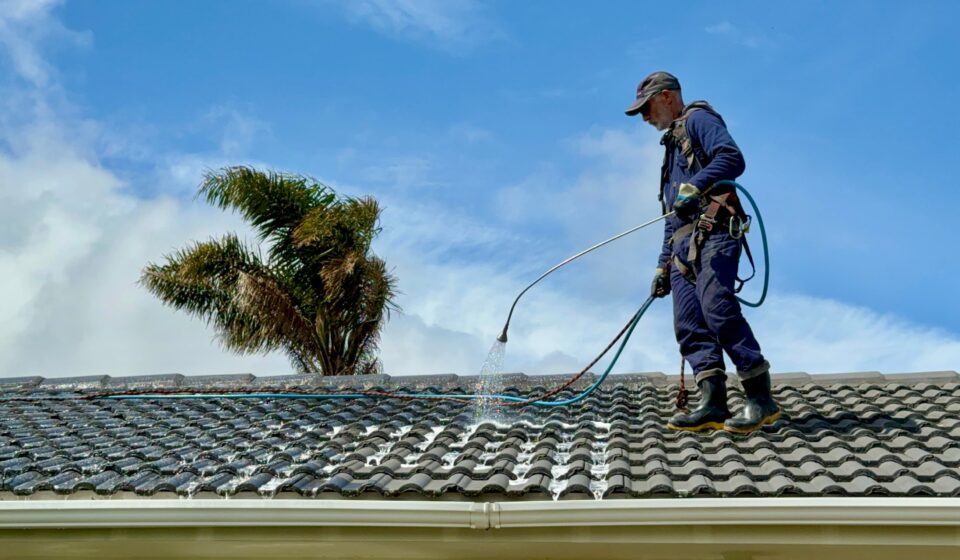

A roof does more than complete the look of your home—it protects everything underneath it. Yet, many homeowners overlook one critical aspect of maintenance: roof cleaning. Over time, roofs collect dirt, algae, moss, and debris that not only affect appearance but can also lead to costly structural issues if ignored.
In regions with seasonal weather changes, moisture buildup creates the perfect environment for organic growth. Homeowners often search for reliable services like roof cleaning near solon ohio when they notice black streaks or green patches forming. These are not just cosmetic problems—they can signal deeper damage developing beneath the surface.
Understanding how roof cleaning works and why it matters can help you make smarter maintenance decisions. Whether you handle minor upkeep yourself or hire professionals, a well-maintained roof can last significantly longer and perform better over time.
Why Roof Cleaning Is Essential
Roof cleaning is not just about improving curb appeal—it directly impacts the durability and functionality of your roofing system.
One of the most common issues is algae growth, often seen as dark streaks on shingles. This algae feeds on limestone fillers in asphalt shingles, gradually weakening them. Moss, on the other hand, traps moisture against the roof surface, which can lead to rot and shingle lifting.
Debris accumulation is another concern. Leaves and dirt can clog gutters and create water pooling, increasing the risk of leaks. In colder climates, this can even contribute to ice dam formation.
Regular cleaning helps prevent:
- Premature shingle deterioration
- Water damage and leaks
- Mold and mildew growth
- Increased energy costs due to reduced reflectivity
A clean roof reflects sunlight more effectively, helping regulate indoor temperatures and reducing strain on your HVAC system.
Step-by-Step Roof Cleaning Process
Cleaning a roof requires careful planning and the right approach. Using improper techniques can cause more harm than good.
1. Inspect the Roof First
Start by assessing the condition of your roof. Look for:
- Cracked or missing shingles
- Areas with heavy moss or algae buildup
- Clogged gutters or downspouts
This step helps determine whether cleaning alone is sufficient or if repairs are needed first.
2. Choose the Right Cleaning Method
There are two primary methods:
Soft Washing
This method uses low-pressure water combined with cleaning solutions. It is ideal for removing algae, moss, and mildew without damaging shingles.
Pressure Washing (with caution)
High-pressure washing can remove stubborn debris but should be avoided on most roofing materials, especially asphalt shingles. It can strip protective granules and reduce lifespan.
In most cases, soft washing is the safer and more effective option.
3. Apply Cleaning Solution
A specialized cleaning solution is applied to break down organic growth. These solutions typically include biodegradable chemicals that target algae and moss at the root level.
Allow the solution to sit for the recommended time so it can penetrate and loosen buildup.
4. Rinse Gently
After the solution has done its job, rinse the roof using low-pressure water. This step removes residue without causing structural damage.
5. Clean Gutters and Downspouts
Roof cleaning is incomplete without clearing gutters. Removing debris ensures proper water drainage and prevents future buildup.
Common Roof Cleaning Mistakes
Even well-intentioned homeowners can make mistakes that lead to costly repairs. Understanding these pitfalls can save both time and money.
Using Excessive Pressure
One of the biggest errors is using high-pressure washing on delicate roofing materials. This can:
- Strip away protective layers
- Loosen shingles
- Force water underneath the roof structure
Ignoring Safety Measures
Roof cleaning involves working at heights, which carries significant risk. Without proper equipment, slips and falls can occur easily. Safety harnesses, non-slip footwear, and stable ladders are essential.
Using Harsh Chemicals
Not all cleaning solutions are roof-friendly. Some chemicals can damage shingles or harm surrounding plants and landscaping. Always use solutions designed specifically for roofing materials.
Skipping Regular Maintenance
Waiting until the roof looks severely stained or damaged often means the problem has already progressed. Regular cleaning prevents buildup and extends roof life.
Practical Tips from Industry Experience
Professionals who handle roof cleaning regularly follow certain best practices that homeowners can benefit from.
Clean Your Roof at the Right Time
The best time for roof cleaning is during mild weather conditions. Avoid extremely hot or freezing days, as cleaning solutions may not work effectively.
Spring and early fall are ideal seasons because they allow for thorough cleaning without extreme temperatures interfering.
Trim Overhanging Branches
Trees provide shade, but they also contribute to debris accumulation and moisture retention. Trimming branches reduces the amount of leaves and organic material landing on your roof.
Install Zinc or Copper Strips
These metal strips can be installed near the roof ridge. When it rains, small amounts of metal particles wash down the roof, preventing algae and moss growth.
Schedule Periodic Inspections
Even if your roof looks clean, periodic inspections help catch early signs of damage. A small issue detected early can prevent major repairs later.
Know When to Hire Professionals
While DIY cleaning can work for minor issues, extensive buildup or steep roofs require professional expertise. Professionals use specialized equipment and techniques that ensure effective and safe cleaning.
Real-World Example
Consider a homeowner who notices dark streaks forming on their roof after a humid summer. Initially, they ignore the issue, assuming it’s just dirt. Over time, the streaks spread, and moss begins to grow in shaded areas.
After a professional inspection, they discover that algae has started to weaken the shingles, and trapped moisture has caused minor rot in certain sections. A thorough cleaning combined with minor repairs restores the roof and prevents further damage.
Had the issue been addressed earlier, the repair costs would have been significantly lower. This example highlights the importance of timely roof cleaning and maintenance.
Conclusion
Roof cleaning is an essential part of home maintenance that goes beyond aesthetics. It protects your investment, extends the lifespan of your roof, and prevents costly repairs.
By understanding the right cleaning methods, avoiding common mistakes, and following expert recommendations, you can keep your roof in excellent condition for years. Whether you choose a DIY approach or rely on professionals, consistency is key.
A clean roof not only enhances your home’s appearance but also ensures it continues to provide reliable protection in every season.