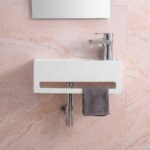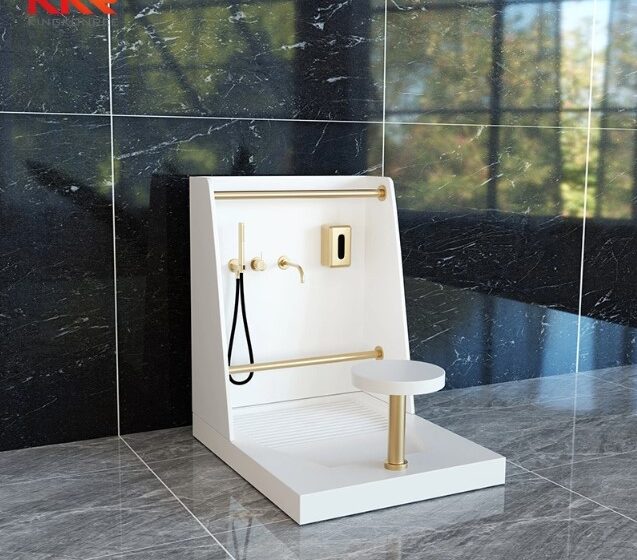

Ablution is an essential part of daily worship for Muslims, and the quality of the washing area affects how comfortably people prepare for prayer. In a mosque, this space may serve a few dozen worshippers during regular prayer times and hundreds during Friday prayers or special gatherings. Its design needs to support frequent use without creating unnecessary delays or discomfort.
A dedicated Muslim wudu sink provides a more suitable place for washing than a standard bathroom basin. Its shape, height, faucet position, and drainage system can support the different steps of ablution. When mosque planners consider these details together, they create a facility that serves worshippers more effectively and remains easier to maintain.
A More Comfortable Ablution Process
A standard bathroom sink usually serves basic hand and face washing. Performing full wudu requires access to water for several parts of the body, including the feet. A basin designed for ablution can make these actions more comfortable by providing suitable depth, reach, and washing space.
The basin’s height also matters. A position that requires excessive bending may cause discomfort, particularly for older worshippers or people with limited mobility. A suitable design allows users to reach the water without awkward movements.
Some wudu basins also include features that support foot washing. Depending on the model, these may include a lower washing section or a shape that gives users more room to position their feet.
Reducing Waiting Times During Busy Prayer Periods
Mosque ablution areas often experience sudden increases in use before congregational prayers. A limited number of washing points can create queues and leave worshippers rushing to reach the prayer hall on time.
The number and arrangement of basins directly affect how many people can perform wudu at once. Multiple individual stations or a long shared counter with separate faucets can increase capacity within the available floor area.
Mosque managers should estimate peak demand rather than base the layout only on average daily attendance. Friday prayers, Ramadan evenings, and religious events may require more washing positions than ordinary prayer times.
A well-planned layout also needs enough space between users. Crowding around faucets can slow down the process even when the room contains several basins.
Better Water Control And Less Floor Splashing
Water often spreads beyond ordinary sinks when people wash their feet or lower legs. Without suitable basin shapes and floor drainage, the surrounding area can remain wet throughout the day.
A dedicated wudu basin can help direct water toward the drain. Its depth, edges, and internal slope influence how effectively it contains splashes during use.
Floor design plays an equally important role. A gently sloped surface guides excess water toward floor drains instead of allowing it to collect near entrances or walking paths.
These features help mosque staff keep the ablution area cleaner and reduce slippery patches. Slip-resistant flooring adds another layer of safety, especially when many worshippers use the room within a short period.
Supporting Hygiene In Shared Ablution Areas
Mosque facilities serve a large number of people, so surfaces need regular cleaning and careful maintenance. Basin materials should withstand frequent water exposure, cleaning products, and everyday contact.
Smooth, non-porous surfaces are generally easier to wipe down and maintain. Ceramic and solid surface materials are two options that mosque planners may consider when comparing appearance, cleaning needs, and durability.
Good hygiene also depends on the surrounding fittings. Faucets, handles, drains, and joints can collect residue when staff cannot reach them easily.
A practical design avoids unnecessary corners and difficult-to-clean gaps. Accessible plumbing connections also help maintenance teams inspect leaks and repair drainage problems without removing large sections of the installation.
Making Ablution More Accessible For Different Worshippers
A mosque welcomes people of different ages and physical abilities. A single basin height or layout may not suit every worshipper, so accessible washing positions deserve attention during the planning stage.
Children may struggle to reach standard-height basins. Older adults may need support when bending or standing for extended periods. Wheelchair users require enough clearance to approach and use suitable washing facilities.
A thoughtful ablution area can include:
- Lower washing stations for children and wheelchair users
- Open space beneath selected basins
- Support rails near appropriate washing positions
- Faucets with simple controls
- Clear routes between entrances and washing points
These features allow more worshippers to perform ablution comfortably. They also reduce the need for major alterations when accessibility requirements arise after construction.
Creating Separate And Private Washing Spaces
Privacy can influence how comfortable people feel in a shared ablution facility. Mosque layouts often include separate washing areas for men and women, and the design should maintain clear access to each section.
Partitions between washing positions may provide additional personal space. They can also help define individual stations without making the room feel enclosed.
For women’s ablution areas, privacy around entrances and internal circulation deserves particular attention. The placement of doors, screens, and waiting areas should prevent direct views from public corridors.
Good lighting remains important in both sections. Even illumination helps worshippers use the basins safely and allows cleaning staff to identify water marks or maintenance issues.
Choosing Basin Materials That Suit Mosque Use
Material selection affects the basin’s service life, appearance, and cleaning requirements. Mosques need surfaces that can handle frequent use without demanding complicated care.
Ceramic Basins
Ceramic is a familiar choice for individual washing stations. Its glazed surface is smooth and easy to clean, and it suits many traditional and contemporary interiors.
However, ceramic can chip or crack after a strong impact. Mosque managers should consider the risk of damage and the availability of suitable replacement units.
Solid Surface Basins
Solid surface materials support a wider range of shapes and custom dimensions. They can also create integrated counters with fewer visible joints, which may simplify cleaning.
Some solid surface systems allow minor scratches to be repaired through refinishing. This can be useful in busy facilities where basins receive regular contact and cleaning.
Selecting The Right Option
The choice depends on the mosque’s budget, design, expected attendance, and maintenance arrangements. Planners should review product specifications, cleaning instructions, and repair options before approving a material.
A supplier such as kingkonree may offer different basin styles and material choices for projects with specific space and design requirements. The selected product should match the actual needs of the facility rather than appearance alone.
Improving The Overall Layout Of The Ablution Room
Even a well-designed basin may cause problems when the surrounding room lacks sufficient space. Worshippers need clear routes to enter, wash, dry their feet, and leave without crossing paths unnecessarily.
The layout should separate wet washing zones from drier circulation areas where possible. Benches or designated drying spaces can help users put on footwear without standing directly beside active washing stations.
Storage also deserves consideration. Shelves or hooks for personal belongings can keep items away from wet floors and basin edges. Their placement should not reduce the space available for movement.
For larger mosques, dividing the room into clear sections may improve traffic flow. Separate entry and exit routes can help prevent congestion during busy periods when the building layout allows them.
Managing Water Consumption Without Affecting Comfort
Mosques may use substantial amounts of water because ablution takes place several times throughout the day. Poorly selected faucets and unnecessary water flow can increase utility costs over time.
Flow-regulating faucets can help control water consumption. Sensor-operated or push-button taps may also reduce the chance of water running after a person finishes washing, provided their operation remains convenient for worshippers.
Water-saving fittings should not make the washing process difficult. The flow rate needs to provide enough water for comfortable ablution, and controls should respond reliably.
Regular checks for dripping faucets and hidden leaks are equally important. Small faults can waste water over time and may cause damage around cabinets, walls, or floors.
Easier Maintenance For Mosque Management Teams
Ablution facilities need a maintenance routine that reflects their daily usage. Waiting until a basin becomes visibly damaged or a drain stops working can create inconvenience for worshippers.
Staff can follow a simple inspection schedule covering:
- Basin surfaces and faucet condition
- Drain openings and water flow
- Floor moisture and slip hazards
- Plumbing connections and visible leaks
- Sealant around counters and wall joints
- Ventilation and signs of persistent dampness
Cleaning frequency should reflect the number of visitors. A mosque with several hundred worshippers may need checks between prayer periods, whereas a smaller facility may follow a less intensive schedule.
Easy access to plumbing and replaceable fittings can also reduce repair time. These practical details help keep the ablution room available even when individual components need attention.